Uden Hayley, Scharfbillig Rolf, Causby Ryan
School of Health Sciences, University of South Australia, Adelaide, South Australia, 5001 Australia.
J Foot Ankle Res. 2017 Aug 15;10:37. doi: 10.1186/s13047-017-0218-1. eCollection 2017.
All typically developing children are born with flexible flat feet, progressively developing a medial longitudinal arch during the first decade of their lives. Whilst the child's foot is expected to be flat, there is currently no consensus as to this foot should be. Furthermore, whilst feet are observed to decrease in flatness with increasing age, it is not known they should be at each age increment. The objective of this systematic review is to define the postural characteristics of the 'typically' developing paediatric foot.
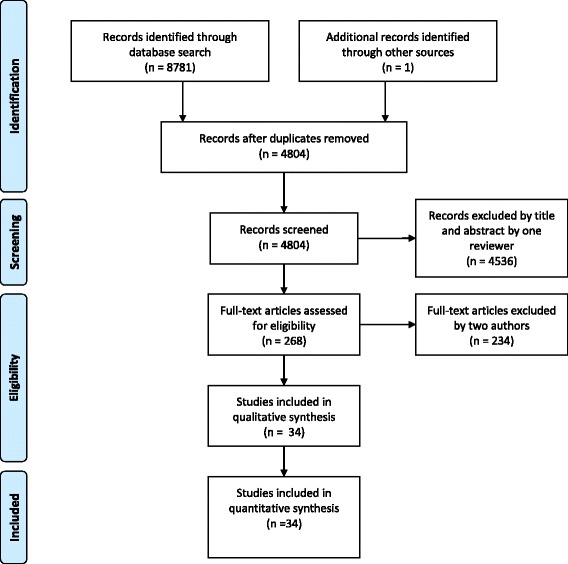
The PRISMA protocol was applied to compare all data currently published describing the typical development of the paediatric foot. The Epidemiological Appraisal Instrument (EAI) was used to assess the risk of bias of the included studies.
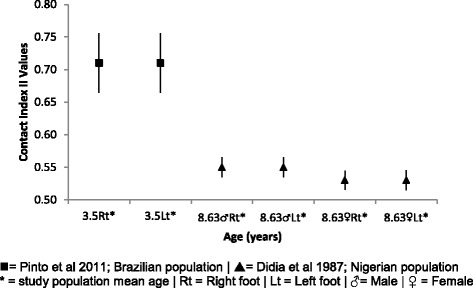
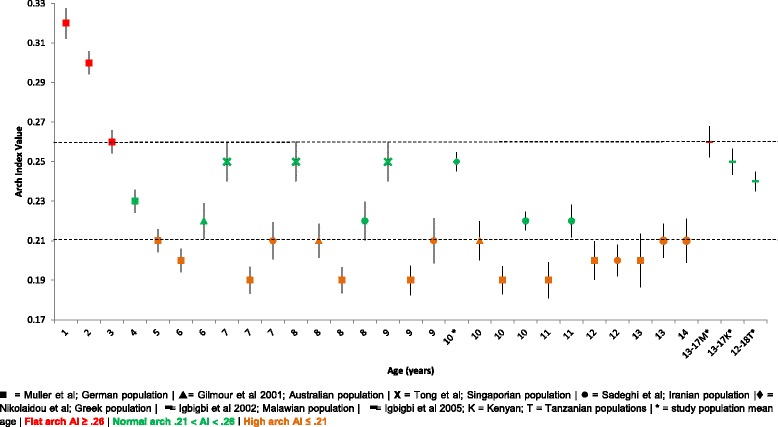
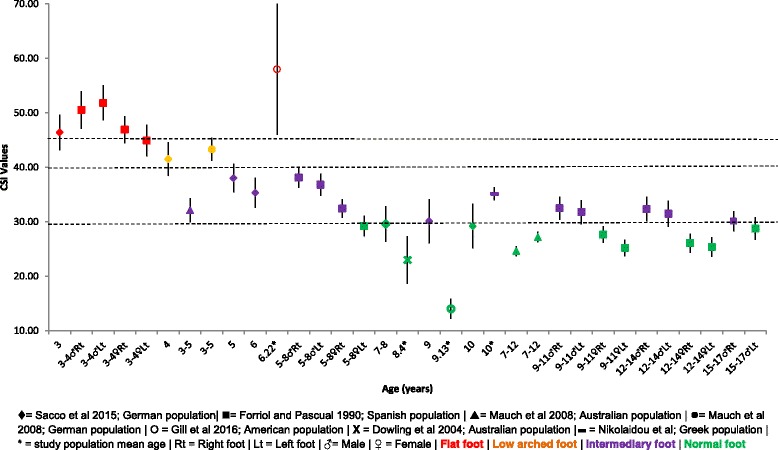
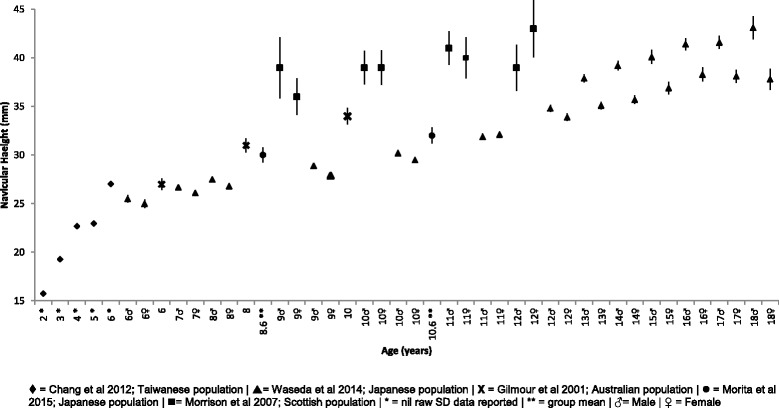
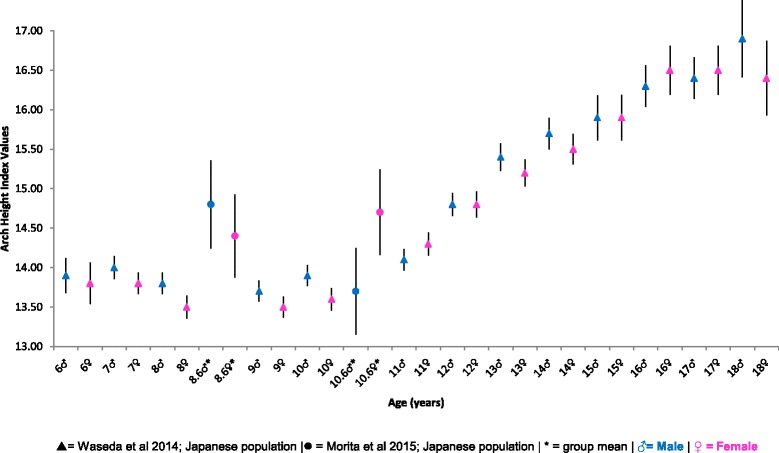
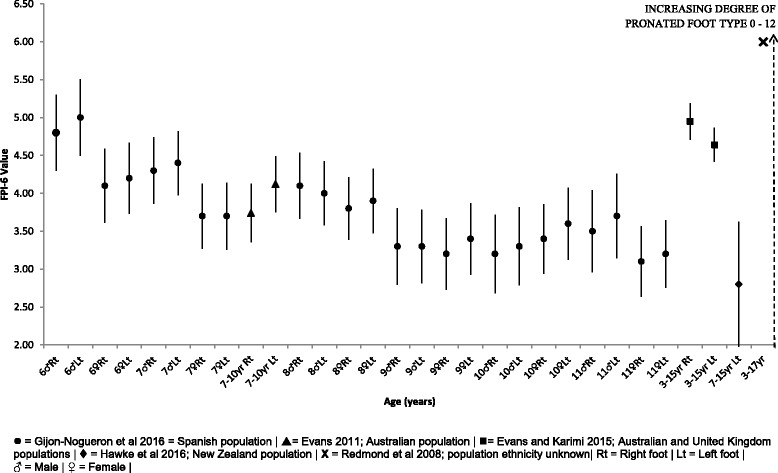
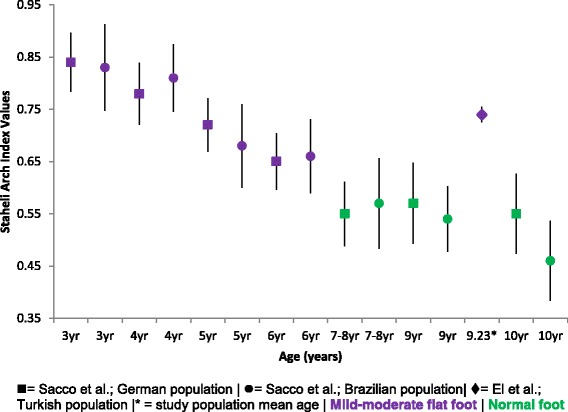
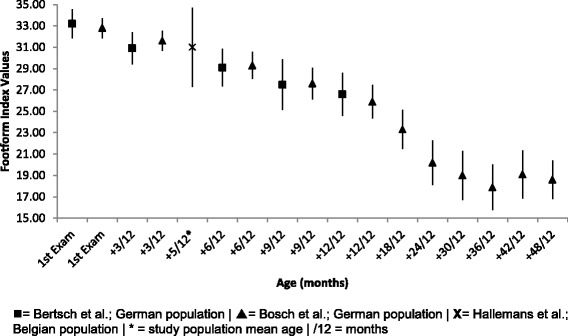
Thirty four epidemiological papers pertaining to the development of the paediatric foot were graphically compared. Sixteen different foot posture assessments were identified of which footprint based measures were the most reported outcome.
Firstly, the use of the term in relation to foot posture is misleading in the categorisation of the paediatric foot, as indeed a flat foot posture is a normal finding at specific ages. Secondly, the foot posture of the developing child is indeed age dependent and has been shown to change over time. Thirdly, no firm conclusion could be reached as to which age the foot posture of children ceases to develop further, as no two foot measures are comparable, therefore future research needs to consider the development of consensus recommendations as to the measurement of the paediatric foot, using valid and reliable assessment tools.
所有发育正常的儿童出生时都是扁平足,在其生命的第一个十年中逐渐形成内侧纵弓。虽然儿童的脚预期是扁平的,但对于这种脚应该是什么样子目前尚无共识。此外,虽然观察到随着年龄增长脚的扁平程度会降低,但不知道在每个年龄增长阶段脚应该是什么样。本系统评价的目的是确定发育正常的小儿足部的姿势特征。
应用PRISMA方案比较目前发表的所有描述小儿足部典型发育的数据。使用流行病学评估工具(EAI)评估纳入研究的偏倚风险。
以图表形式比较了34篇关于小儿足部发育的流行病学论文。确定了16种不同的足部姿势评估方法,其中基于足迹的测量是报告最多的结果。
首先,在小儿足部分类中使用“扁平足”一词来描述足部姿势具有误导性,因为在特定年龄扁平足姿势是正常现象。其次,发育中儿童的足部姿势确实与年龄有关,并且已显示随时间变化。第三,由于没有两种足部测量方法具有可比性,因此无法就儿童足部姿势在哪个年龄停止进一步发育得出确切结论,未来的研究需要考虑使用有效且可靠的评估工具制定关于小儿足部测量的共识性建议。