Li Meng Amy, Amaral Paulo P, Cheung Priscilla, Bergmann Jan H, Kinoshita Masaki, Kalkan Tüzer, Ralser Meryem, Robson Sam, von Meyenn Ferdinand, Paramor Maike, Yang Fengtang, Chen Caifu, Nichols Jennifer, Spector David L, Kouzarides Tony, He Lin, Smith Austin
Wellcome Trust - Medical Research Council Stem Cell Institute, University of Cambridge, Cambridge, United Kingdom.
Division of Cellular and Developmental Biology, Department of Molecular and Cellular Biology, University of California Berkeley, Berkeley, United States.
Elife. 2017 Aug 18;6:e23468. doi: 10.7554/eLife.23468.
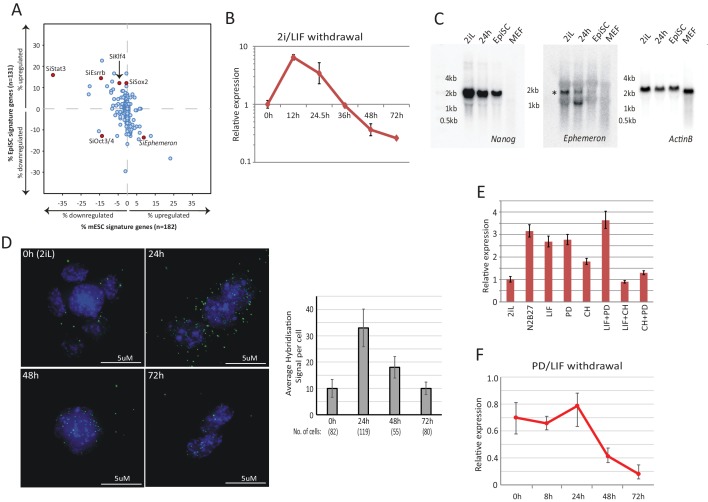
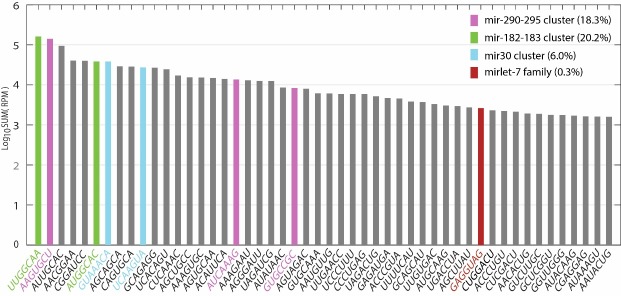
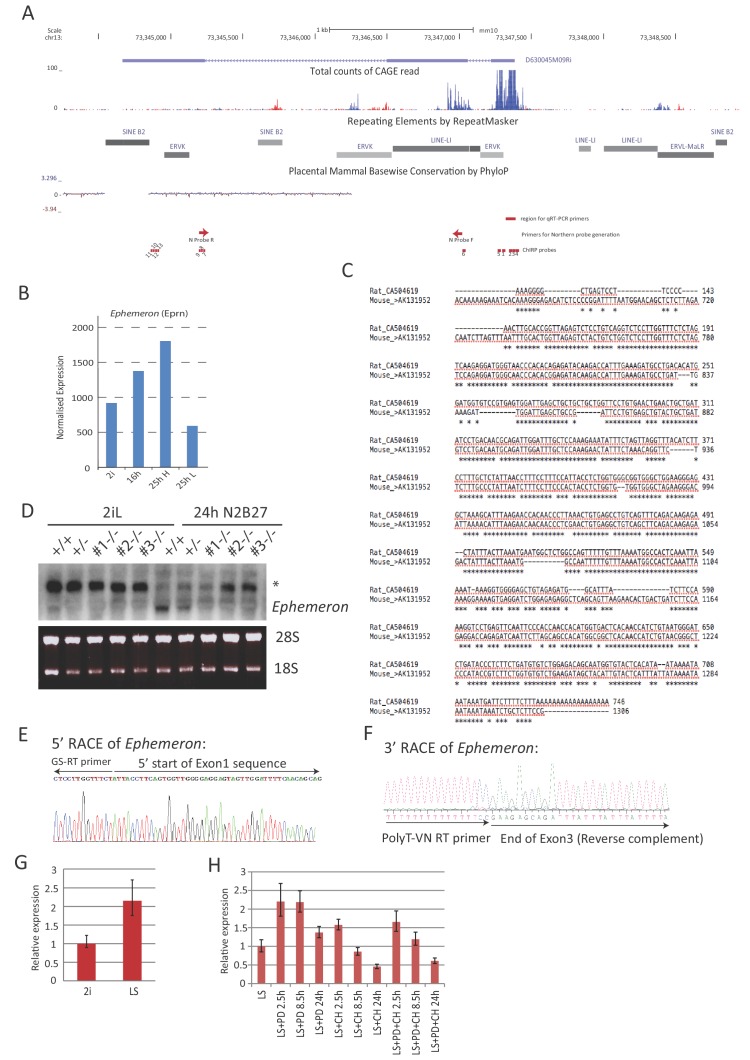
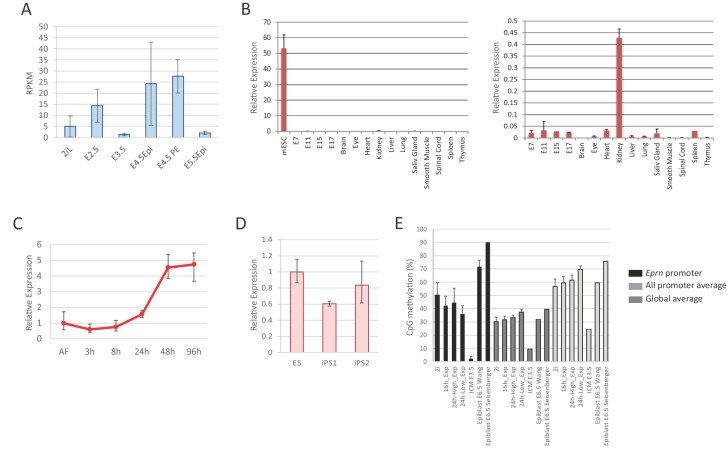
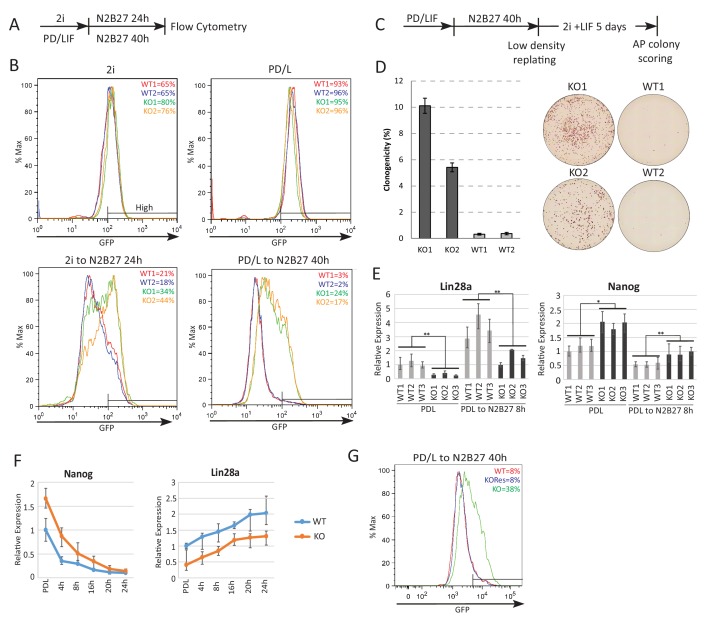
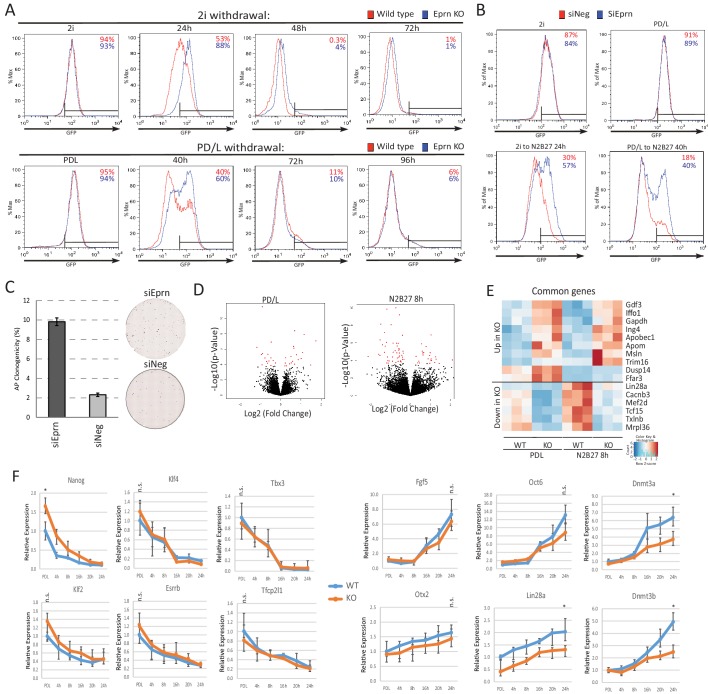
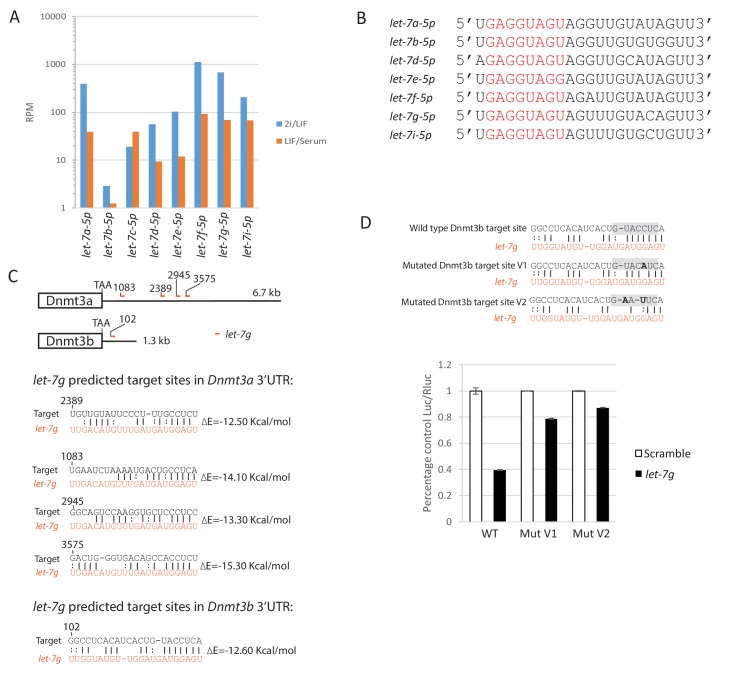
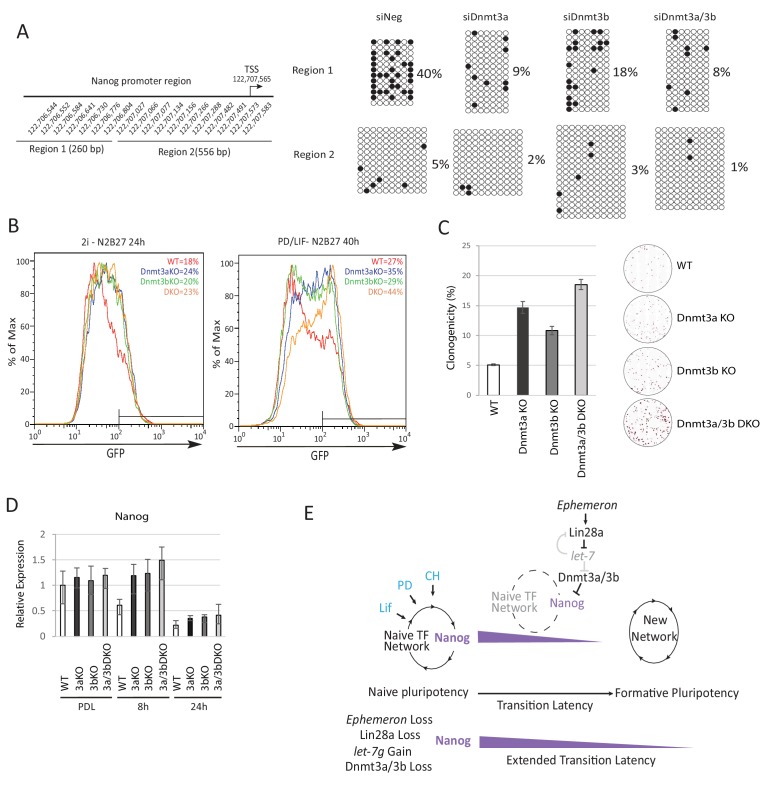
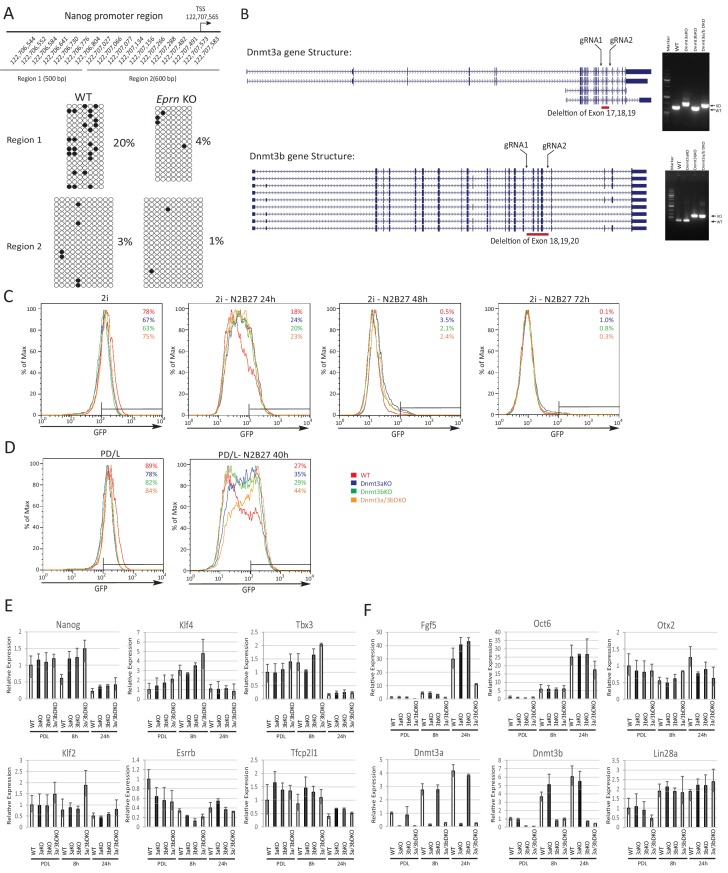
Execution of pluripotency requires progression from the naïve status represented by mouse embryonic stem cells (ESCs) to a state capacitated for lineage specification. This transition is coordinated at multiple levels. Non-coding RNAs may contribute to this regulatory orchestra. We identified a rodent-specific long non-coding RNA (lncRNA) hereafter (), that modulates the dynamics of exit from naïve pluripotency. deletion delays the extinction of ESC identity, an effect associated with perduring Nanog expression. In the absence of , expression is reduced which results in persistence of the up-regulation of de novo methyltransferases Dnmt3a/b is delayed. deletion retards ES cell transition, correlating with delayed promoter methylation and phenocopying loss of or . The connection from lncRNA to miRNA and DNA methylation facilitates the acute extinction of naïve pluripotency, a pre-requisite for rapid progression from preimplantation epiblast to gastrulation in rodents. illustrates how lncRNAs may introduce species-specific network modulations.
多能性的实现需要从以小鼠胚胎干细胞(ESCs)为代表的原始状态过渡到能够进行谱系特化的状态。这种转变在多个层面上进行协调。非编码RNA可能参与了这个调控过程。我们鉴定出一种啮齿动物特有的长链非编码RNA(lncRNA),以下简称(),它调节原始多能性退出的动力学。缺失会延迟ESC身份的消失,这种效应与Nanog表达的持续存在有关。在没有的情况下,表达降低,这导致从头甲基转移酶Dnmt3a/b的上调延迟。缺失会阻碍ES细胞的转变,这与启动子甲基化延迟以及或缺失的表型模拟相关。从lncRNA到miRNA再到DNA甲基化的联系促进了原始多能性的快速消失,这是啮齿动物从植入前胚泡快速发育到原肠胚形成的先决条件。说明了lncRNAs如何引入物种特异性的网络调节。