Decker William K, da Silva Rodrigo F, Sanabria Mayra H, Angelo Laura S, Guimarães Fernando, Burt Bryan M, Kheradmand Farrah, Paust Silke
Department of Pathology and Immunology, Baylor College of Medicine, Houston, TX, United States.
Dan L Duncan Cancer Center, Texas Children's Hospital, Houston, TX, United States.
Front Immunol. 2017 Aug 2;8:829. doi: 10.3389/fimmu.2017.00829. eCollection 2017.
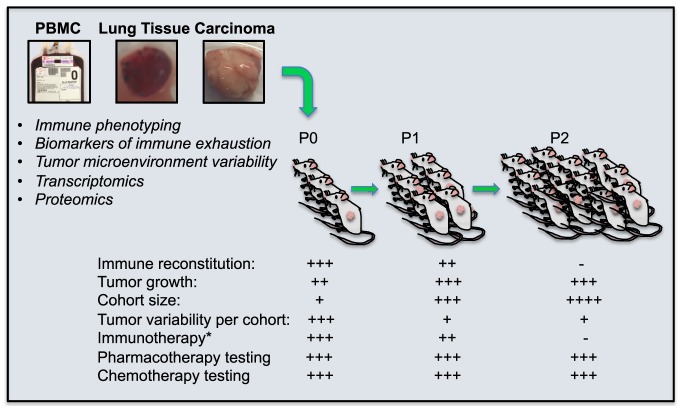
At the turn of the last century, the emerging field of medical oncology chose a cytotoxic approach to cancer therapy over an immune-centered approach at a time when evidence in support of either paradigm did not yet exist. Today, nearly 120 years of data have established that (a) even the best cytotoxic regimens only infrequently cure late-stage malignancy and (b) strategies that supplement and augment existing antitumor immune responses offer the greatest opportunities to potentiate durable remission in cancer. Despite widespread acceptance of these paradigms today, the ability of the immune system to recognize and fight cancer was a highly controversial topic for much of the twentieth century. Why this modern paradigmatic mainstay should have been both dubious and controversial for such an extended period is a topic of considerable interest that merits candid discussion. Herein, we review the literature to identify and describe the watershed events that ultimately led to the acceptance of immunotherapy as a viable regimen for the treatment of neoplastic malignancy. In addition to noting important clinical discoveries, we also focus on research milestones and the development of critical model systems in rodents and dogs including the advanced modeling techniques that allowed development of patient-derived xenografts. Together, their use will further our understanding of cancer biology and tumor immunology, allow for a speedier assessment of the efficacy and safety of novel approaches, and ultimately provide a faster bench to beside transition.
在上个世纪之交,新兴的医学肿瘤学领域在尚无支持任何一种模式的证据之时,选择了细胞毒性方法而非以免疫为中心的方法来进行癌症治疗。如今,近120年的数据已证实:(a)即使是最佳的细胞毒性方案也很少能治愈晚期恶性肿瘤;(b)补充和增强现有抗肿瘤免疫反应的策略为增强癌症的持久缓解提供了最大机会。尽管如今这些模式已被广泛接受,但在二十世纪的大部分时间里,免疫系统识别和对抗癌症的能力一直是一个极具争议的话题。为何这一现代范式的支柱在如此长的时间里一直受到质疑和争议,是一个相当有趣且值得坦诚讨论的话题。在此,我们回顾文献,以识别和描述最终导致免疫疗法被接受为治疗肿瘤性恶性疾病可行方案的分水岭事件。除了提及重要的临床发现,我们还将重点关注研究里程碑以及啮齿动物和犬类关键模型系统的发展,包括允许开发患者来源异种移植的先进建模技术。它们的共同应用将加深我们对癌症生物学和肿瘤免疫学的理解,使我们能够更快地评估新方法的疗效和安全性,并最终实现从实验室到临床的更快转化。