Johnson Christina M, Subramanian Aswati, Pattathil Sivakumar, Correll Melanie J, Kiss John Z
Miami University, Department of Biology 212 Pearson Hall, Oxford, Ohio 45056 USA.
University of Georgia Complex Carbohydrate Research Center, 315 Riverbend Road, Athens, Georgia 30602 USA.
Am J Bot. 2017 Aug;104(8):1219-1231. doi: 10.3732/ajb.1700079.
Plants will play an important role in the future of space exploration as part of bioregenerative life support. Thus, it is important to understand the effects of microgravity and spaceflight on gene expression in plant development.
We analyzed the transcriptome of Arabidopsis thaliana using the Biological Research in Canisters (BRIC) hardware during Space Shuttle mission STS-131. The bioinformatics methods used included RMA (robust multi-array average), MAS5 (Microarray Suite 5.0), and PLIER (probe logarithmic intensity error estimation). Glycome profiling was used to analyze cell wall composition in the samples. In addition, our results were compared to those of two other groups using the same hardware on the same mission (BRIC-16).
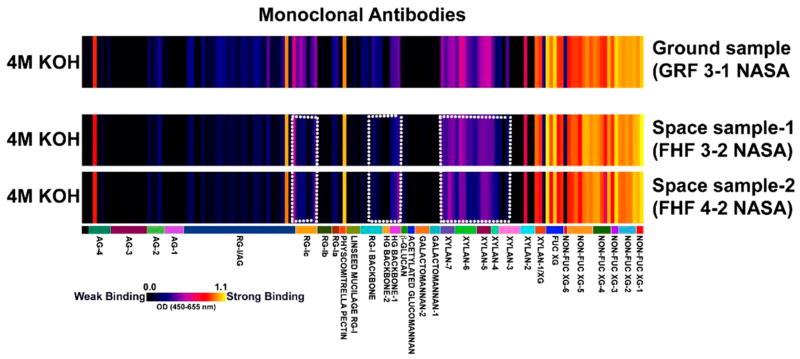
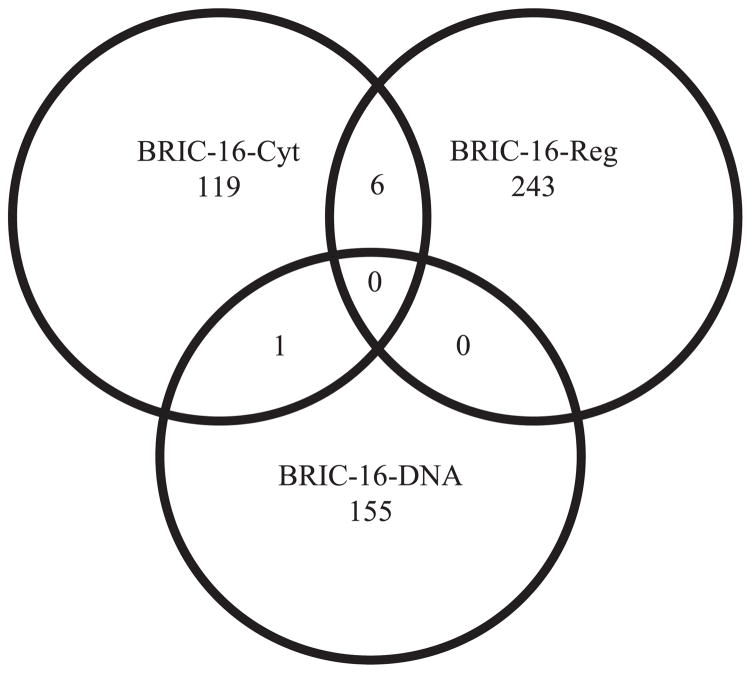
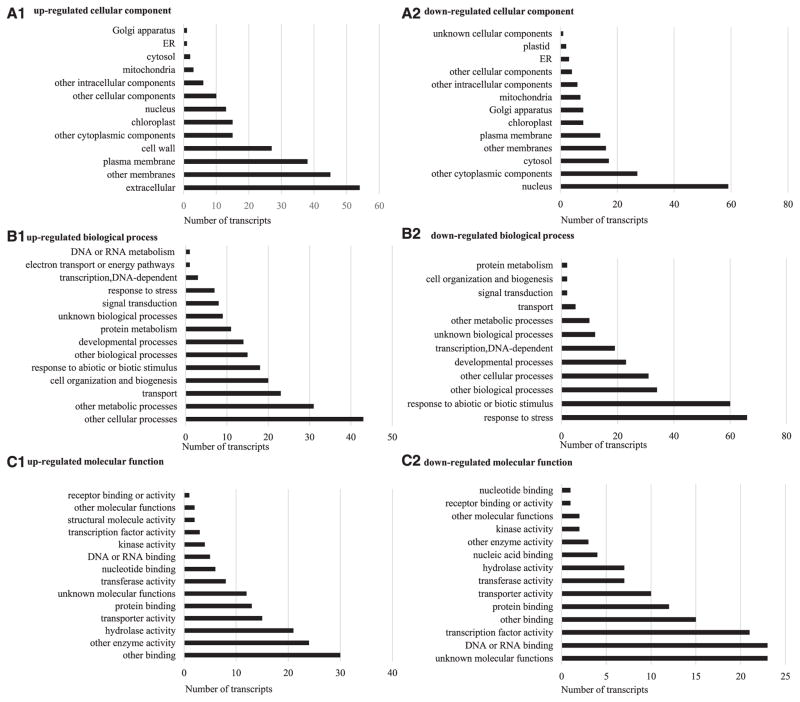
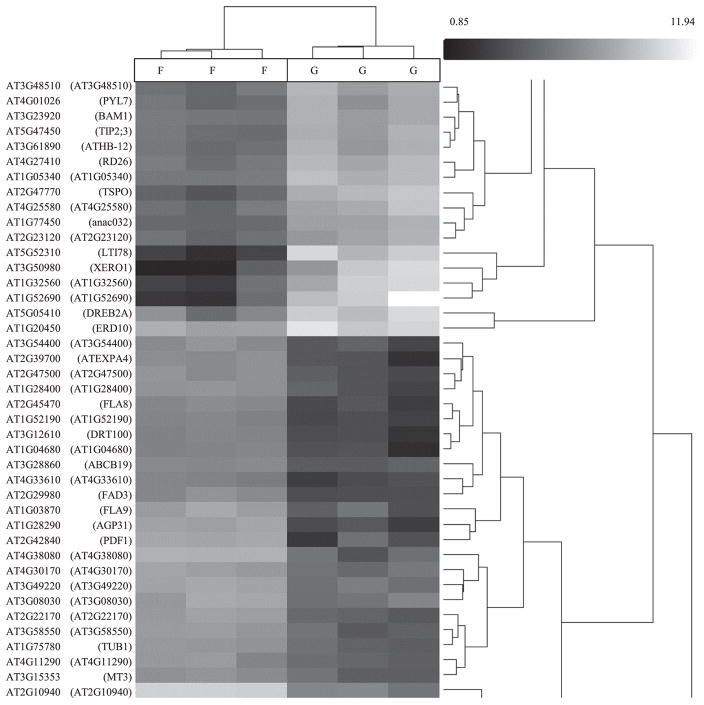
In our BRIC-16 experiments, we noted expression changes in genes involved in hypoxia and heat shock responses, DNA repair, and cell wall structure between spaceflight samples compared to the ground controls. In addition, glycome profiling supported our expression analyses in that there was a difference in cell wall components between ground control and spaceflight-grown plants. Comparing our studies to those of the other BRIC-16 experiments demonstrated that, even with the same hardware and similar biological materials, differences in results in gene expression were found among these spaceflight experiments.
A common theme from our BRIC-16 space experiments and those of the other two groups was the downregulation of water stress response genes in spaceflight. In addition, all three studies found differential regulation of genes associated with cell wall remodeling and stress responses between spaceflight-grown and ground control plants.
作为生物再生生命支持系统的一部分,植物将在未来的太空探索中发挥重要作用。因此,了解微重力和太空飞行对植物发育过程中基因表达的影响至关重要。
我们在航天飞机任务 STS - 131 期间,使用生物研究罐(BRIC)硬件分析了拟南芥的转录组。所使用的生物信息学方法包括稳健多阵列平均法(RMA)、微阵列套件 5.0(MAS5)和探针对数强度误差估计法(PLIER)。糖组分析用于分析样本中的细胞壁组成。此外,我们将结果与同一任务中使用相同硬件的其他两组(BRIC - 16)的结果进行了比较。
在我们的 BRIC - 16 实验中,我们注意到与地面对照相比,太空飞行样本中参与缺氧和热休克反应、DNA 修复以及细胞壁结构的基因表达发生了变化。此外,糖组分析支持了我们的表达分析,因为地面对照植物和太空生长植物之间的细胞壁成分存在差异。将我们的研究与其他 BRIC - 16 实验进行比较表明,即使使用相同的硬件和相似的生物材料,这些太空飞行实验在基因表达结果上仍存在差异。
我们的 BRIC - 16 太空实验以及其他两组实验的一个共同主题是太空飞行中水分胁迫反应基因的下调。此外,所有三项研究都发现太空生长植物和地面对照植物之间与细胞壁重塑和应激反应相关的基因存在差异调节。