Dahlmanns Marc, Yakubov Eduard, Chen Daishi, Sehm Tina, Rauh Manfred, Savaskan Nicolai, Wrosch Jana Katharina
Department of Psychiatry and Psychotherapy, Friedrich-Alexander University of Erlangen-Nuremberg, Erlangen, Germany.
Translational Neurooncology Laboratory, Department of Neurosurgery, Friedrich-Alexander University of Erlangen-Nuremberg, Erlangen, Germany.
Cell Death Discov. 2017 Jun 19;3:17030. doi: 10.1038/cddiscovery.2017.30. eCollection 2017.
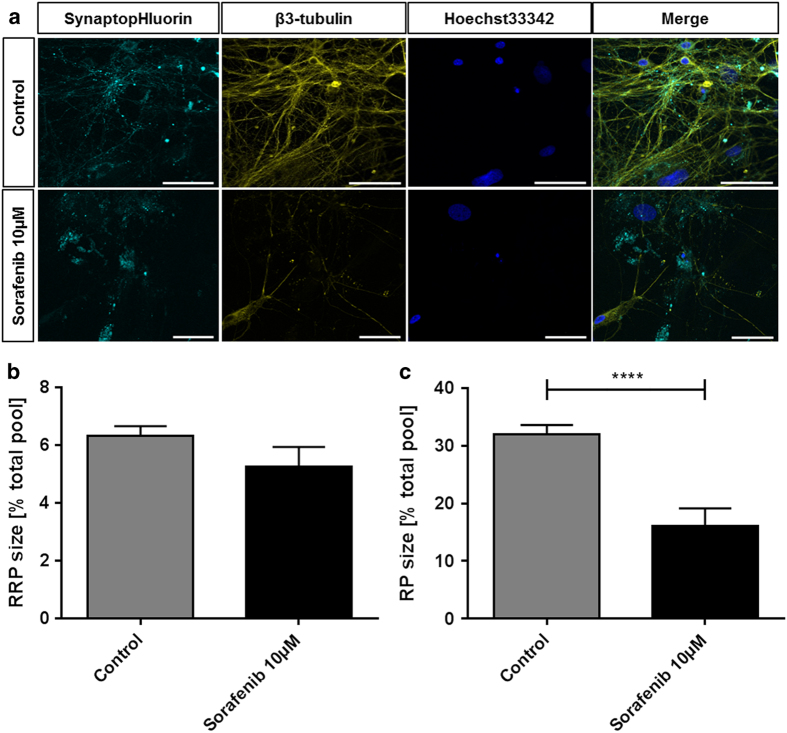
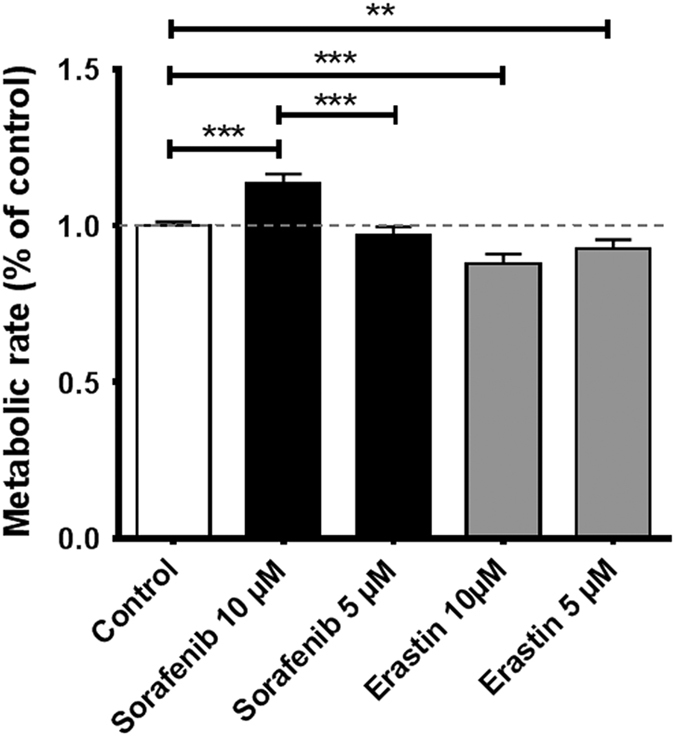
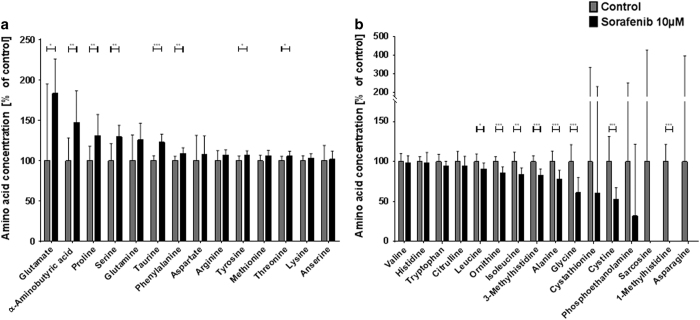
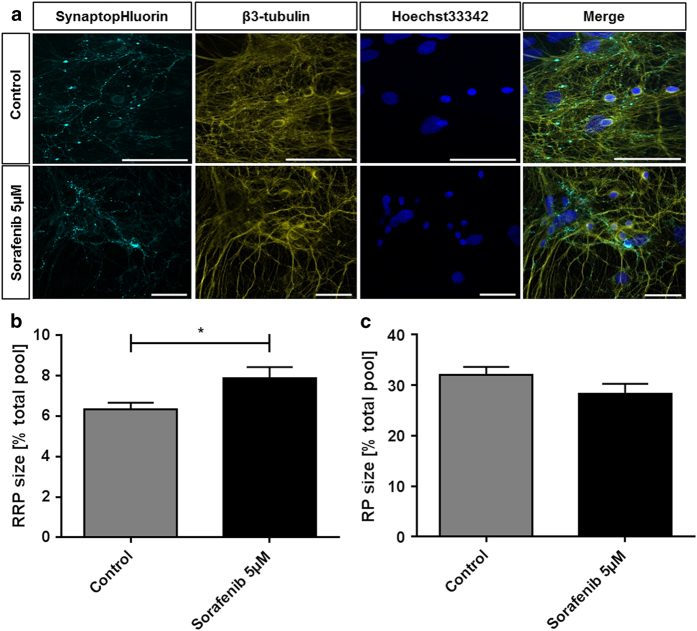
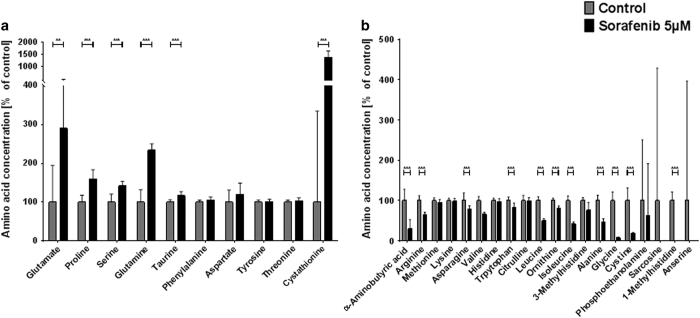
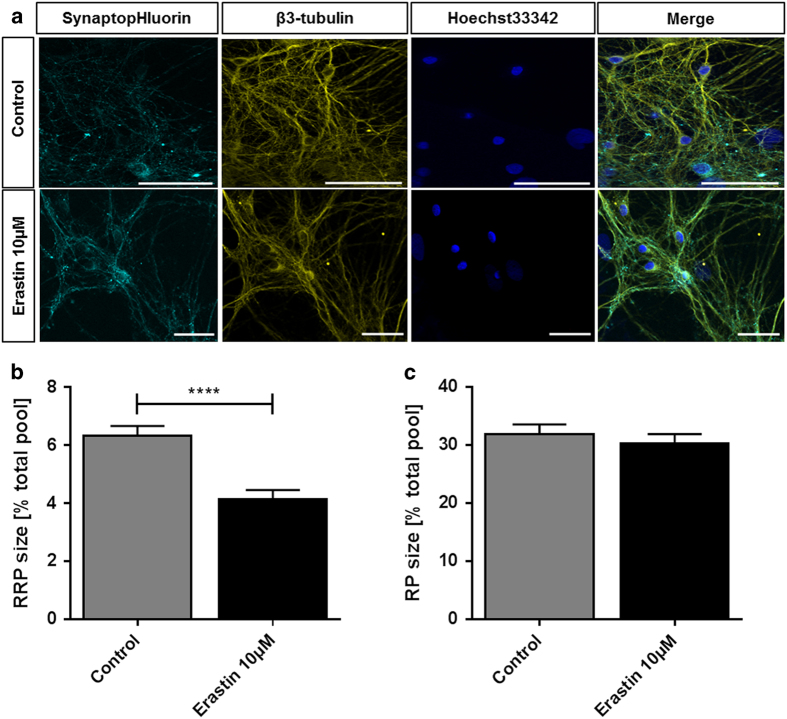
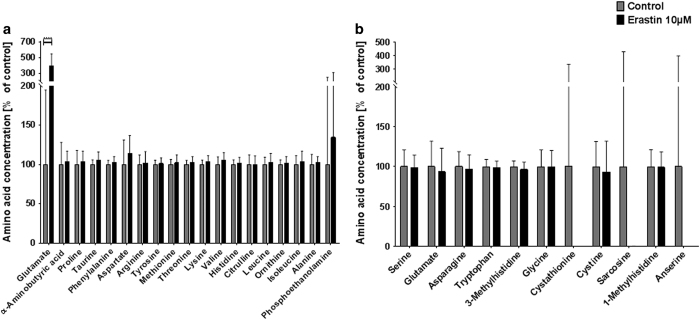
In the search for new potential chemotherapeutics, the compounds' toxicity to healthy cells is an important factor. The brain with its functional units, the neurons, is especially endangered during the radio- and chemotherapeutic treatment of brain tumors. The effect of the potential compounds not only on neuronal survival but also neuronal function needs to be taken into account. Therefore, in this study we aimed to comprehend the biological effects of chemotherapeutic xCT inhibition on healthy neuronal cells with our synaptic optogenetic function analysis tool (SOFA). We combined common approaches, such as investigation of morphological markers, neuronal function and cell metabolism. The glutamate-cystine exchanger xCT (SLC7A11, system X) is the main glutamate exporter in malignant brain tumors and as such a relevant drug target for treating deadly glioblastomas (WHO grades III and IV). Recently, two small molecules termed sorafenib (Nexavar) and erastin have been found to efficiently block xCT function. We investigated neuronal morphology, metabolic secretome profiles, synaptic function and cell metabolism of primary hippocampal cultures (containing neurons and glial cells) treated with sorafenib and erastin in clinically relevant concentrations. We found that sorafenib severely damaged neurons already after 24 h of treatment. Noteworthy, also at a lower concentration, where no morphological damage or metabolic disturbance was monitored, sorafenib still interfered with synaptic and metabolic homeostasis. In contrast, erastin-treated neurons displayed mostly inconspicuous morphology and metabolic rates. Key parameters of proper neuronal function, such as synaptic vesicle pool sizes, were however disrupted following erastin application. In conclusion, our data revealed that while sorafenib and erastin effectively inhibited xCT function they also interfered with essential neuronal (synaptic) function. These findings highlight the particular importance of investigating the effects of potential neurooncological and general cancer chemotherapeutics also on healthy neuronal cells and their function as revealed by the SOFA tool.
在寻找新的潜在化疗药物时,化合物对健康细胞的毒性是一个重要因素。大脑及其功能单元神经元,在脑肿瘤的放疗和化疗过程中尤其容易受到损害。潜在化合物不仅对神经元存活的影响,而且对神经元功能的影响都需要考虑在内。因此,在本研究中,我们旨在用我们的突触光遗传学功能分析工具(SOFA)来理解化疗性xCT抑制对健康神经元细胞的生物学效应。我们结合了常见的方法,如形态学标志物的研究、神经元功能和细胞代谢。谷氨酸-胱氨酸转运体xCT(SLC7A11,系统X)是恶性脑肿瘤中的主要谷氨酸输出体,因此是治疗致命性胶质母细胞瘤(世界卫生组织III级和IV级)的一个相关药物靶点。最近,已发现两种小分子药物索拉非尼(多吉美)和艾拉司丁能有效阻断xCT功能。我们研究了用临床相关浓度的索拉非尼和艾拉司丁处理的原代海马培养物(包含神经元和神经胶质细胞)的神经元形态、代谢分泌组图谱、突触功能和细胞代谢。我们发现,索拉非尼在处理24小时后就已严重损害神经元。值得注意的是,即使在较低浓度下,在未监测到形态学损伤或代谢紊乱的情况下,索拉非尼仍会干扰突触和代谢稳态。相比之下,用艾拉司丁处理的神经元大多显示形态和代谢率不明显。然而,在应用艾拉司丁后,适当神经元功能的关键参数,如突触囊泡池大小,会受到破坏。总之,我们的数据显示,虽然索拉非尼和艾拉司丁能有效抑制xCT功能,但它们也会干扰基本的神经元(突触)功能。这些发现突出了研究潜在的神经肿瘤学和一般癌症化疗药物对健康神经元细胞及其功能的影响的特殊重要性,正如SOFA工具所揭示的那样。