Portbury Stuart D, Hare Dominic J, Finkelstein David I, Adlard Paul A
The Florey Institute of Neuroscience and Mental Health, The University of Melbourne, Parkville, Victoria, Australia.
University of Technology Sydney, Elemental Bio-imaging, Sydney, Australia.
PLoS One. 2017 Aug 24;12(8):e0183683. doi: 10.1371/journal.pone.0183683. eCollection 2017.
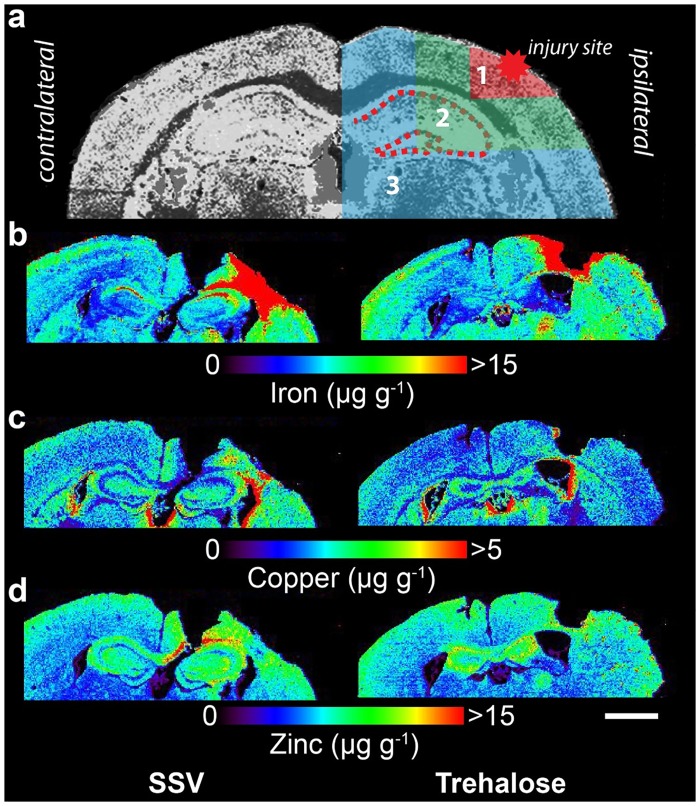
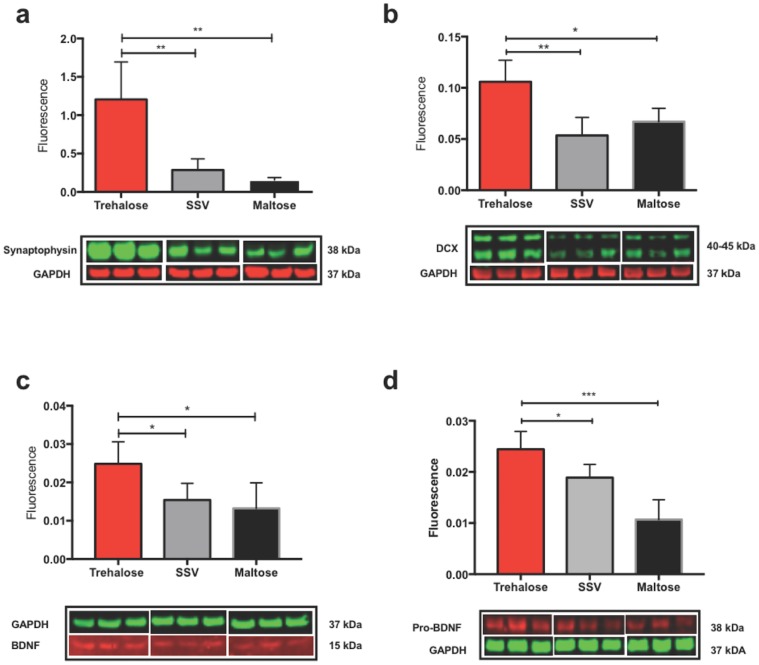
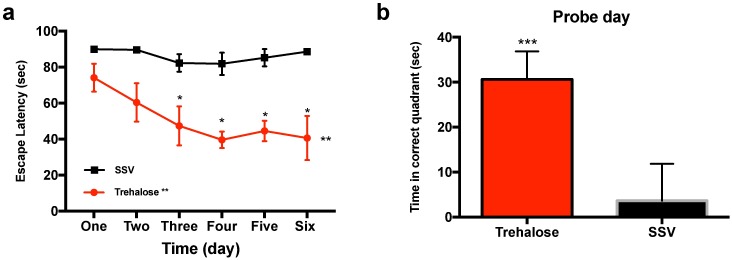
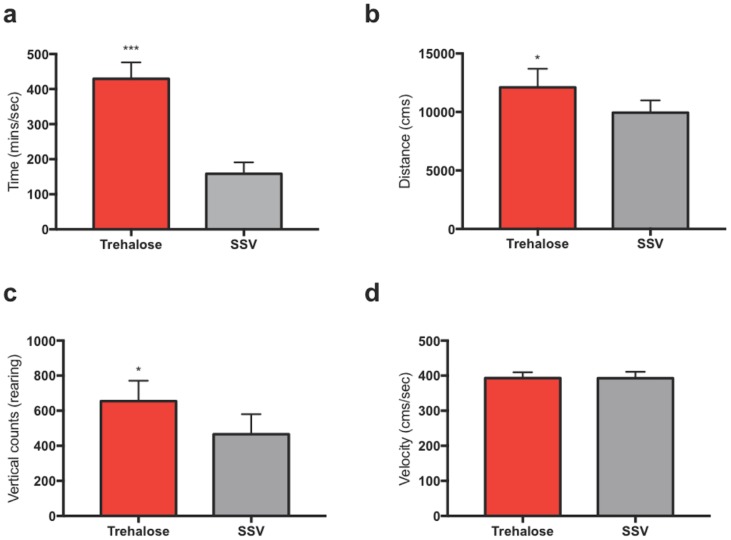
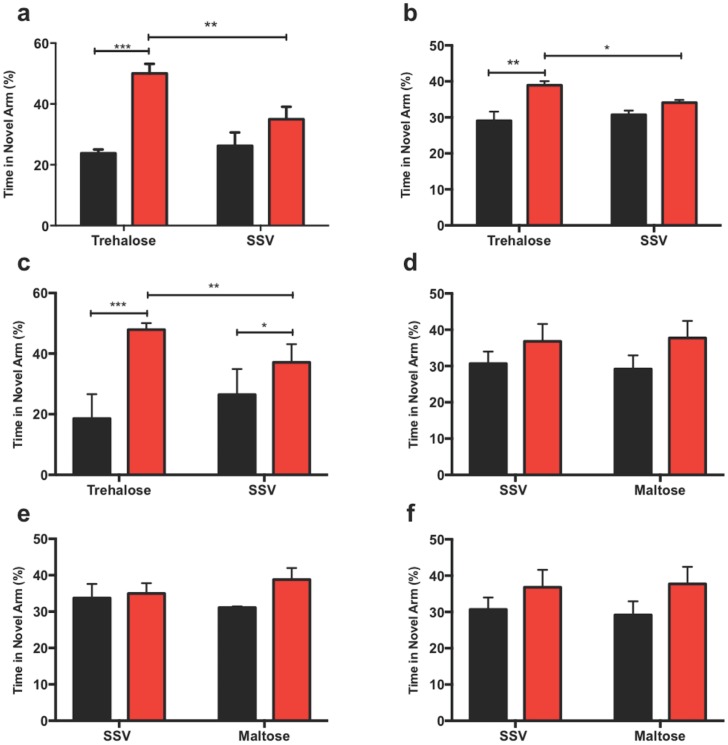
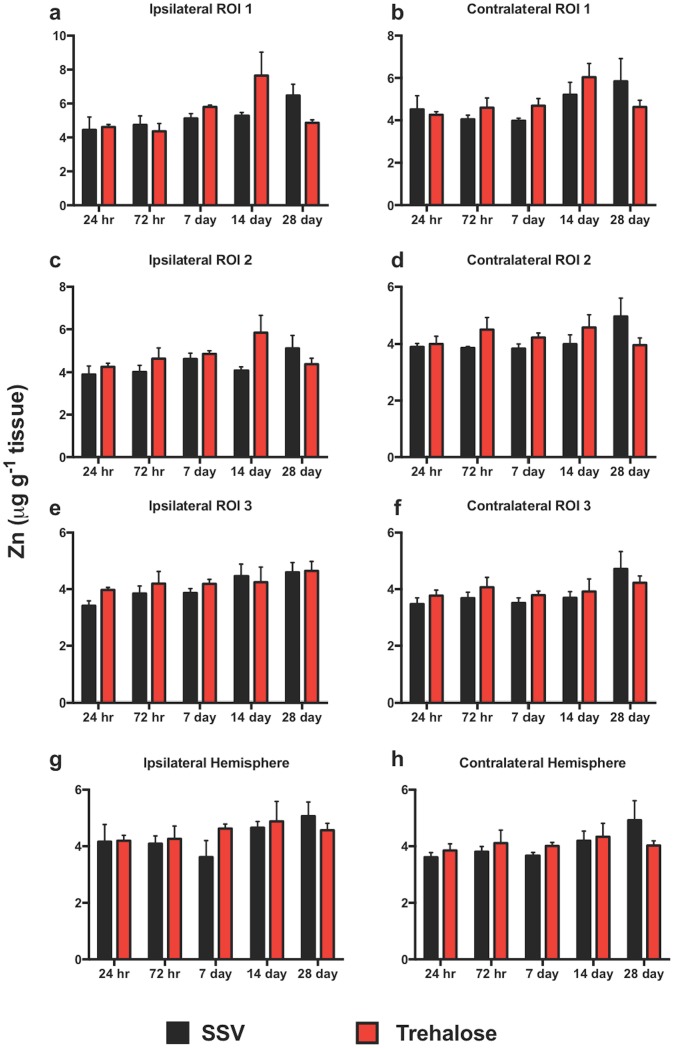
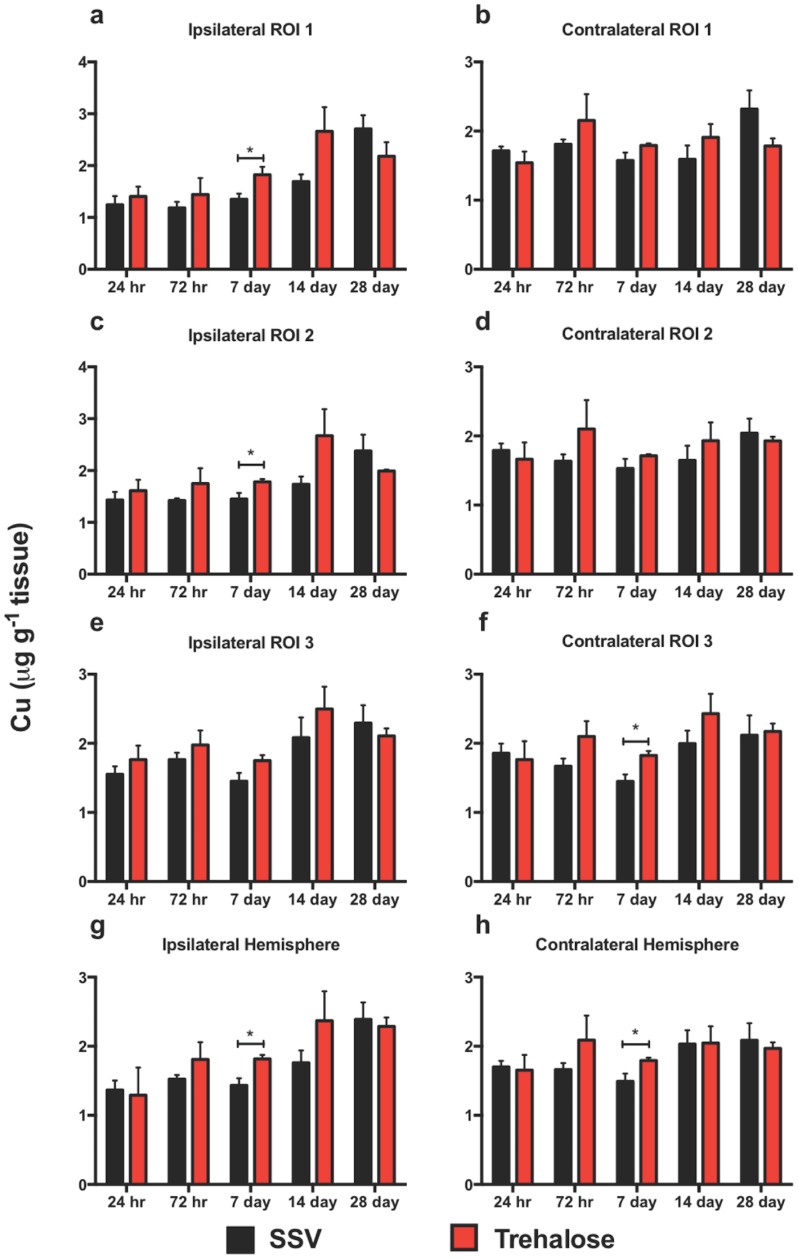
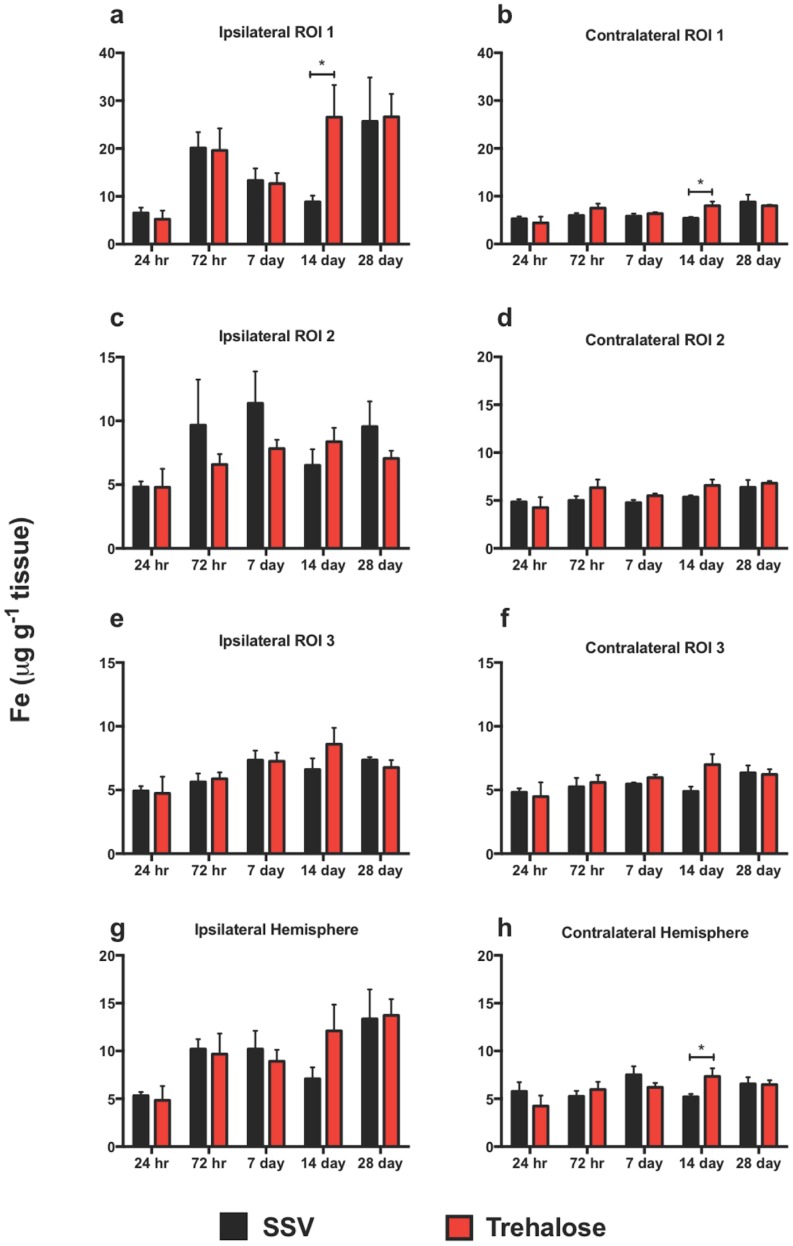
Traumatic brain Injury (TBI) is a significant cause of death and long-term disability for which there are currently no effective pharmacological treatment options. In this study then, we utilized a mouse model of TBI to assess the therapeutic potential of the stable disaccharide trehalose, which is known to protect against oxidative stress, increase levels of chaperone molecules and enhance autophagy. Furthermore, trehalose has demonstrated neuroprotective properties in numerous animal models and has been proposed as a potential treatment for neurodegeneration. As TBI (and associated neurodegenerative disorders) is complicated by a sudden and dramatic change in brain metal concentrations, including iron (Fe) and zinc (Zn), the collective accumulation and translocation of which has been hypothesized to contribute to the pathogenesis of TBI, then we also sought to determine whether trehalose modulated the metal dyshomeostasis associated with TBI. In this study three-month-old C57Bl/6 wildtype mice received a controlled cortical impact TBI, and were subsequently treated for one month with trehalose. During this time animals were assessed on multiple behavioral tasks prior to tissue collection. Results showed an overall significant improvement in the Morris water maze, Y-maze and open field behavioral tests in trehalose-treated mice when compared to controls. These functional benefits occurred in the absence of any change in lesion volume or any significant modulation of biometals, as assessed by laser ablation inductively coupled plasma mass spectrometry. Western blot analysis, however, revealed an upregulation of synaptophysin, doublecortin and brain derived neurotrophic factor protein in trehalose treated mice in the contralateral cortex. These results indicate that trehalose may be efficacious in improving functional outcomes following TBI by a previously undescribed mechanism of action that has relevance to multiple disorders of the central nervous system.
创伤性脑损伤(TBI)是导致死亡和长期残疾的一个重要原因,目前尚无有效的药物治疗方案。因此,在本研究中,我们利用TBI小鼠模型来评估稳定二糖海藻糖的治疗潜力,已知海藻糖可抵御氧化应激、提高伴侣分子水平并增强自噬。此外,海藻糖在众多动物模型中已显示出神经保护特性,并已被提议作为神经退行性疾病的一种潜在治疗方法。由于TBI(以及相关的神经退行性疾病)会因脑金属浓度(包括铁(Fe)和锌(Zn))的突然剧烈变化而变得复杂,据推测,这些金属的累积和转运共同促成了TBI的发病机制,所以我们还试图确定海藻糖是否能调节与TBI相关的金属稳态失衡。在本研究中,3个月大的C57Bl/6野生型小鼠接受了控制性皮质撞击TBI,随后用海藻糖治疗1个月。在此期间,在采集组织前对动物进行了多项行为任务评估。结果显示,与对照组相比,海藻糖治疗的小鼠在莫里斯水迷宫、Y迷宫和旷场行为测试中总体有显著改善。通过激光烧蚀电感耦合等离子体质谱法评估,这些功能益处出现在损伤体积没有任何变化或生物金属没有任何显著调节的情况下。然而,蛋白质印迹分析显示,海藻糖治疗的小鼠对侧皮质中突触素、双皮质素和脑源性神经营养因子蛋白上调。这些结果表明,海藻糖可能通过一种与中枢神经系统多种疾病相关的、此前未描述的作用机制,有效改善TBI后的功能结局。