Adekunbi Daniel A, Li Xiao Feng, Li Shengyun, Adegoke Olufeyi A, Iranloye Bolanle O, Morakinyo Ayodele O, Lightman Stafford L, Taylor Paul D, Poston Lucilla, O'Byrne Kevin T
Division of Women's Health, Faculty of Life Sciences and Medicine, King's College London, London, United Kingdom.
Department of Physiology, College of Medicine, University of Lagos, Lagos, Nigeria.
PLoS One. 2017 Aug 28;12(8):e0183596. doi: 10.1371/journal.pone.0183596. eCollection 2017.
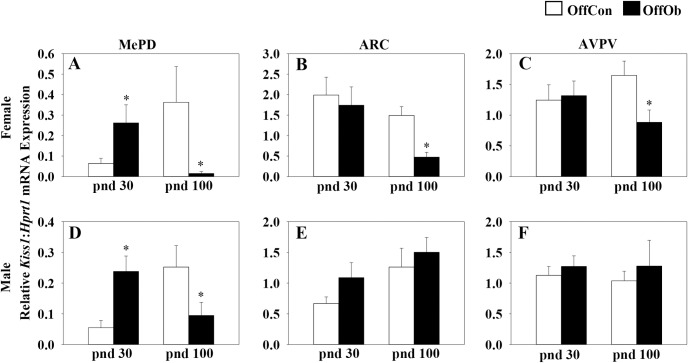
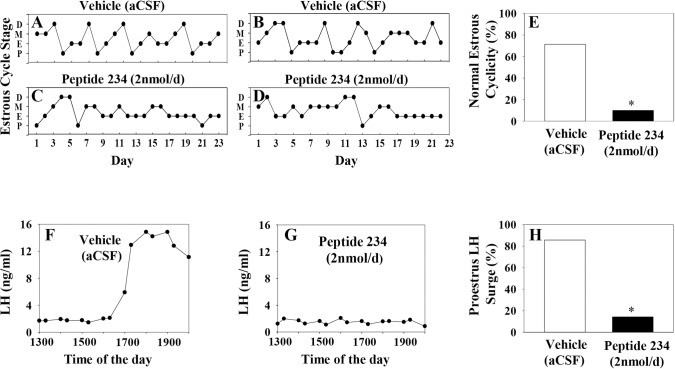
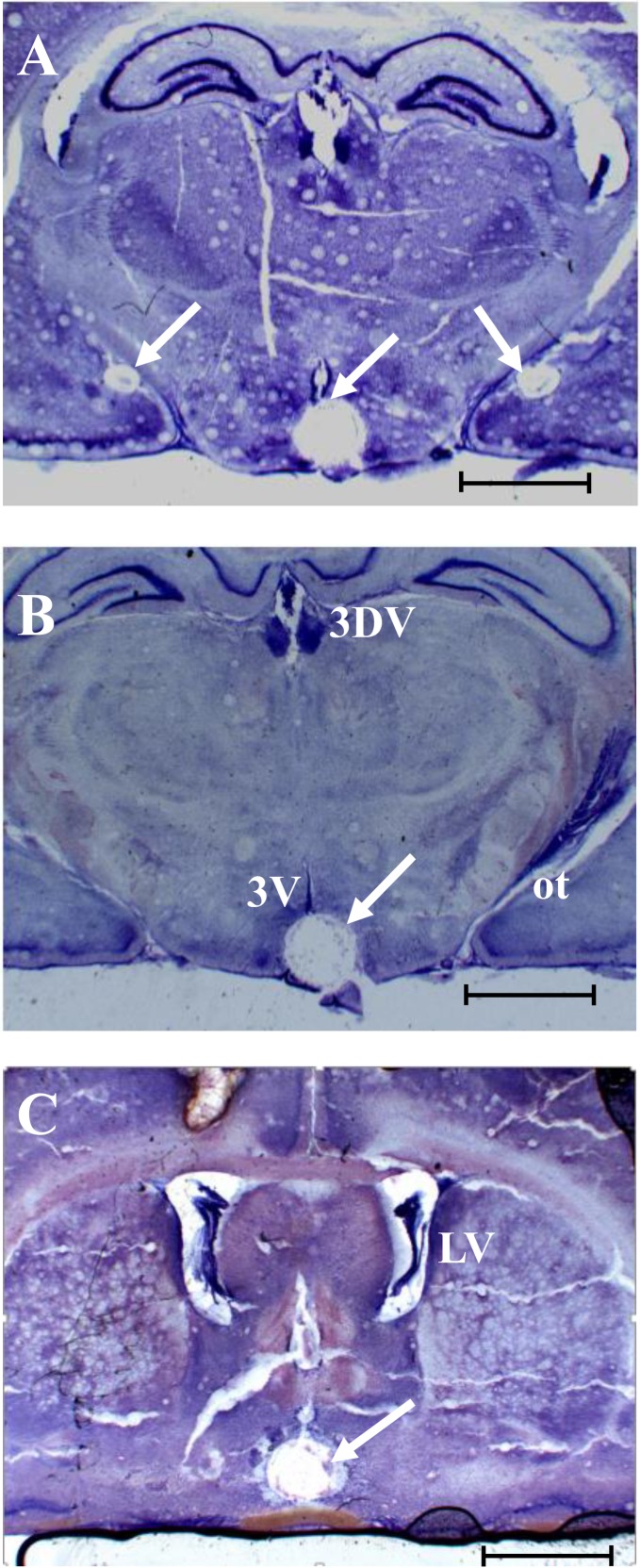
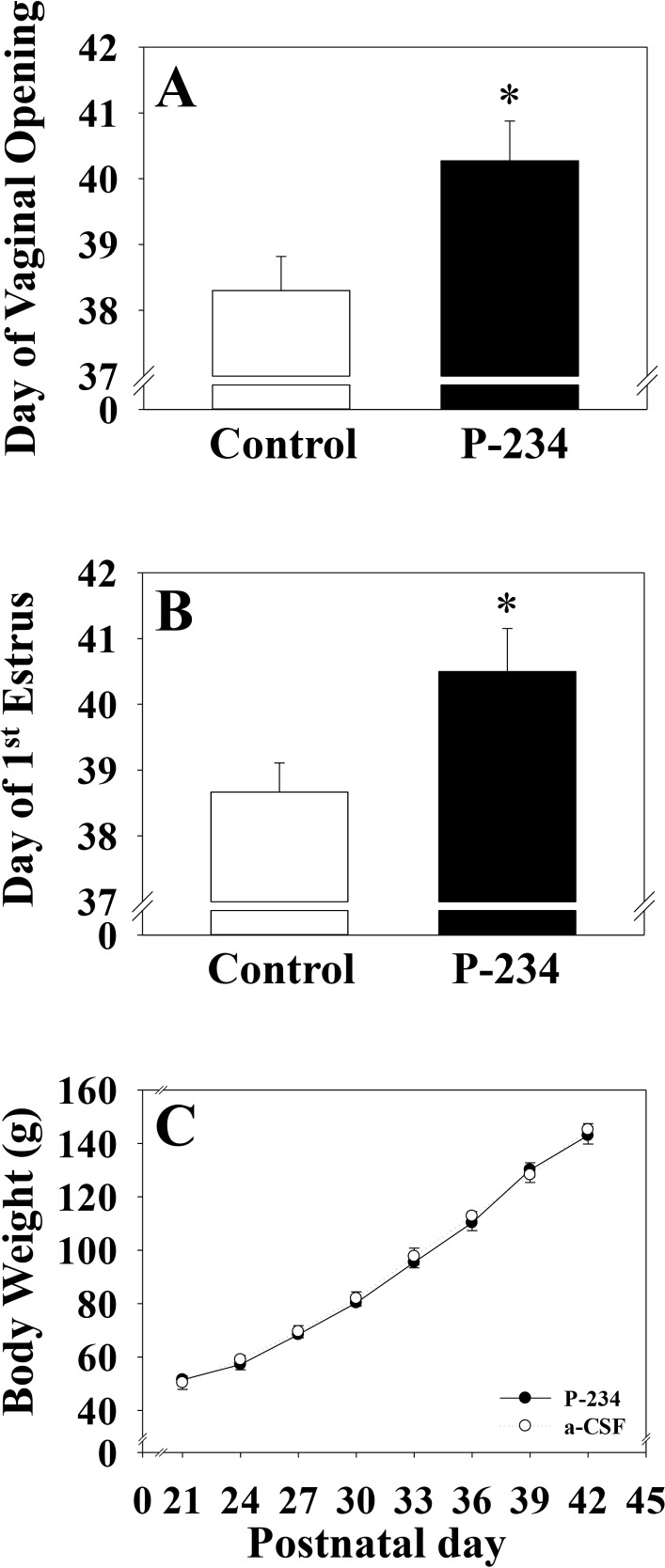
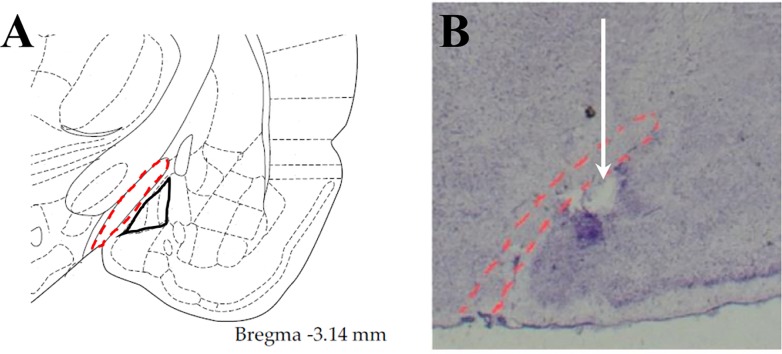
To investigate the mechanism by which maternal obesity disrupts reproductive function in offspring, we examined Kiss1 expression in the hypothalamic arcuate (ARC) and anteroventral periventricular (AVPV) nuclei, and posterodorsal medial amygdala (MePD) of pre-pubertal and young adult offspring. Sprague-Dawley rats were fed either a standard or energy-dense diet for six weeks prior to mating and throughout pregnancy and lactation. Male and female offspring were weaned onto normal diet on postnatal day (pnd) 21. Brains were collected on pnd 30 or 100 for qRT-PCR to determine Kiss1 mRNA levels. Maternal obesity increased Kiss1 mRNA expression in the MePD of pre-pubertal male and female offspring, whereas Kiss1 expression was not affected in the ARC or AVPV at this age. Maternal obesity reduced Kiss1 expression in all three brain regions of 3 month old female offspring, but only in MePD of males. The role of MePD kisspeptin on puberty, estrous cyclicity and preovulatory LH surges was assessed directly in a separate group of post-weanling and young adult female rats exposed to a normal diet throughout their life course. Bilateral intra-MePD cannulae connected to osmotic mini-pumps for delivery of kisspeptin receptor antagonist (Peptide 234 for 14 days) were chronically implanted on pnd 21 or 100. Antagonism of MePD kisspeptin delayed puberty onset, disrupted estrous cyclicity and reduced the incidence of LH surges. These data show that the MePD plays a key role in pubertal timing and ovulation and that maternal obesity may act via amygdala kisspeptin signaling to influence reproductive function in the offspring.
为了研究母体肥胖破坏子代生殖功能的机制,我们检测了青春期前和年轻成年子代下丘脑弓状核(ARC)、室周前腹侧核(AVPV)以及杏仁核后内侧核(MePD)中Kiss1的表达。在交配前、整个孕期和哺乳期,将斯普拉格-道利大鼠分为标准饮食组或高能量饮食组,喂养六周。雄性和雌性子代在出生后第21天(pnd21)断奶并给予正常饮食。在pnd30或100收集大脑,通过qRT-PCR检测Kiss1 mRNA水平。母体肥胖增加了青春期前雄性和雌性子代MePD中Kiss1 mRNA的表达,而在这个年龄段,ARC或AVPV中的Kiss1表达未受影响。母体肥胖降低了3月龄雌性子代所有三个脑区的Kiss1表达,但仅降低了雄性子代MePD中的Kiss1表达。在另一组断奶后和年轻成年雌性大鼠中,直接评估了MePD kisspeptin对青春期、发情周期和排卵前促黄体生成素激增的作用,这些大鼠在其整个生命过程中均给予正常饮食。在pnd21或100长期植入双侧MePD套管,连接渗透微型泵以递送Kiss1受体拮抗剂(肽234,持续14天)。MePD kisspeptin的拮抗作用延迟了青春期开始,扰乱了发情周期,并降低了促黄体生成素激增的发生率。这些数据表明,MePD在青春期启动和排卵中起关键作用,母体肥胖可能通过杏仁核Kiss1信号通路影响子代的生殖功能。