Torrelo Antonio
Department of Dermatology, Hospital Infantil del Niño Jesús, Madrid, Spain.
Front Immunol. 2017 Aug 9;8:927. doi: 10.3389/fimmu.2017.00927. eCollection 2017.
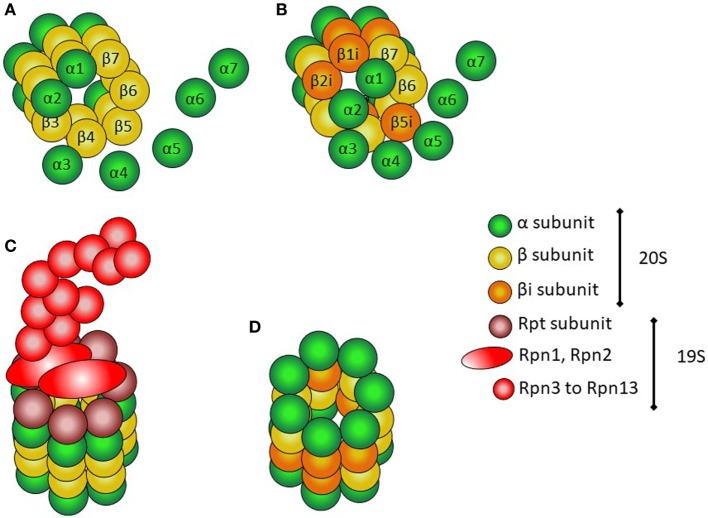
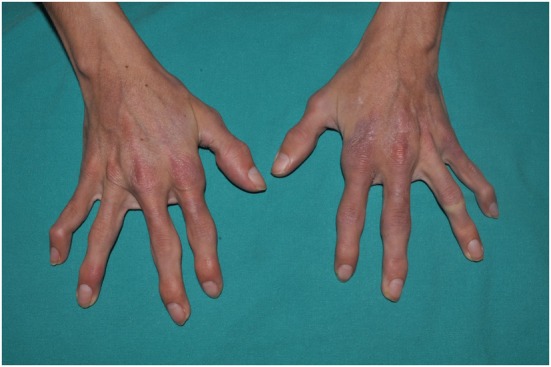
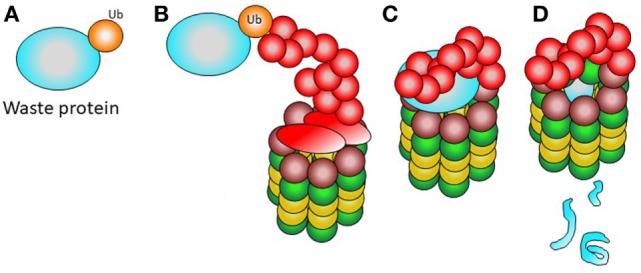
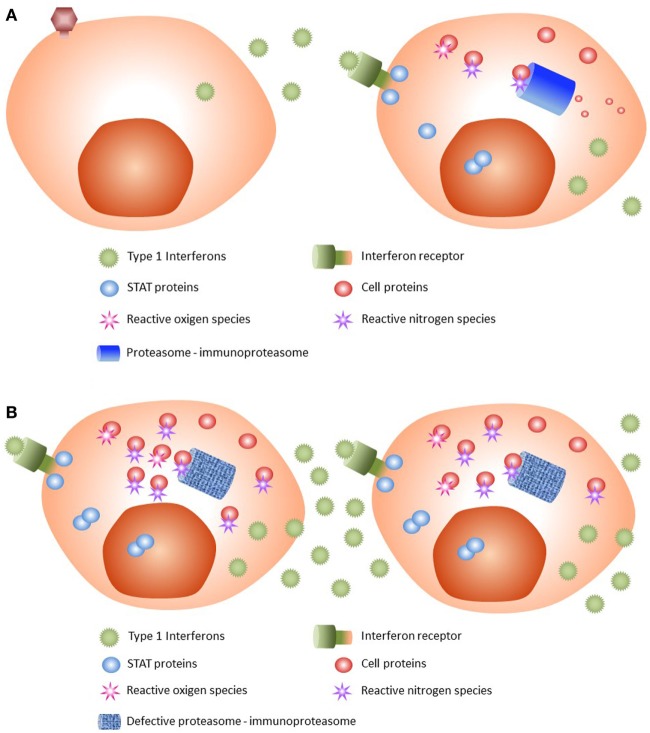
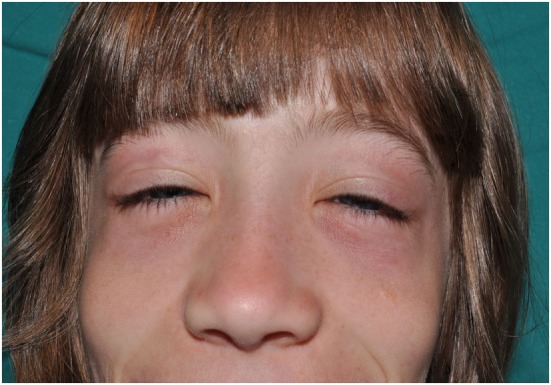
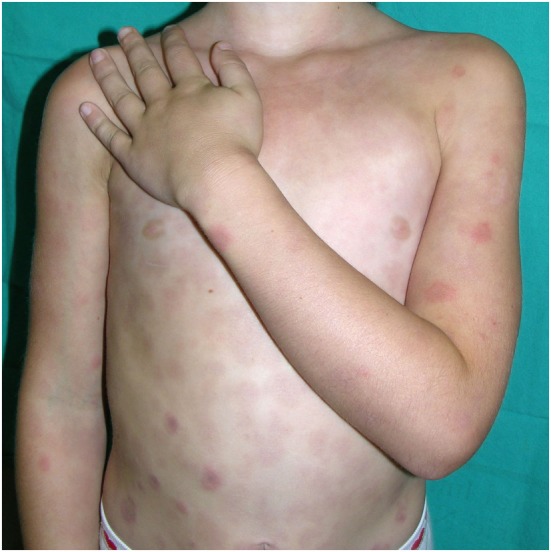
CANDLE syndrome (hronic typical eutrophilic ermatosis with ipodystrophy and levated temperature) is a rare, genetic autoinflammatory disease due to abnormal functioning of the multicatalytic system proteasome-immunoproteasome. Several recessive mutations in different protein subunits of this system, located in one single subunit (monogenic, homozygous, or compound heterozygous) or in two different ones (digenic and compound heterozygous), cause variable defects in catalytic activity of the proteasome-immunoproteasome. The final result is a sustained production of type 1 interferons (IFNs) that can be very much increased by banal triggers such as cold, stress, or viral infections. Patients start very early in infancy with recurrent or even daily fevers, characteristic skin lesions, wasting, and a typical fat loss, all conferring the patients a unique and unmistakable phenotype. So far, no treatment has been effective for the treatment of CANDLE syndrome; the JAK inhibitor baricitinib seems to be partially helpful. In this article, a review in depth all the pathophysiological, clinical, and laboratory features of CANDLE syndrome is provided.
CANDLE综合征(伴有脂肪营养不良和体温升高的慢性典型嗜中性皮肤病)是一种罕见的遗传性自身炎症性疾病,由多催化系统蛋白酶体-免疫蛋白酶体功能异常引起。该系统不同蛋白质亚基中的几种隐性突变,位于单个亚基(单基因、纯合或复合杂合)或两个不同亚基(双基因和复合杂合)中,导致蛋白酶体-免疫蛋白酶体催化活性出现不同缺陷。最终结果是1型干扰素(IFN)持续产生,普通诱因如寒冷、压力或病毒感染可使其大量增加。患者在婴儿期很早就开始出现反复甚至每日发热、特征性皮肤病变、消瘦和典型的脂肪丢失,所有这些赋予患者独特且 unmistakable的表型。到目前为止,尚无治疗CANDLE综合征有效的方法;JAK抑制剂巴瑞替尼似乎有部分帮助。本文深入综述了CANDLE综合征的所有病理生理、临床和实验室特征。