InanlooRahatloo Kolsoum, Liang Grace, Vo Davis, Ebert Antje, Nguyen Ivy, Nguyen Patricia K
Stanford Cardiovascular Institute, Stanford University School of Medicine, Stanford, California, United States of America.
Department of Medicine, Division of Cardiology, Stanford University School of Medicine, Stanford, California, United States of America.
PLoS One. 2017 Aug 29;12(8):e0183874. doi: 10.1371/journal.pone.0183874. eCollection 2017.
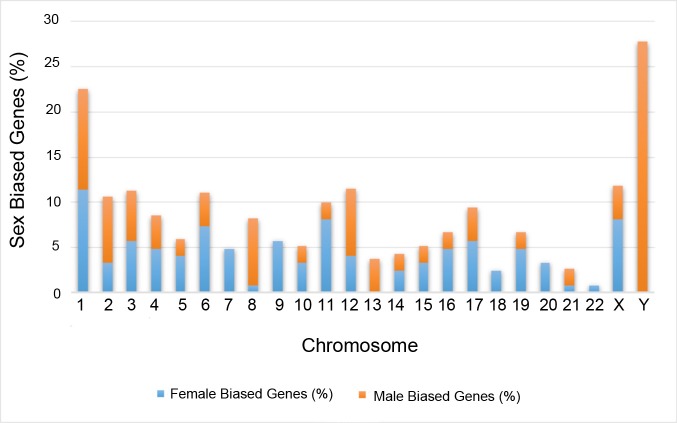
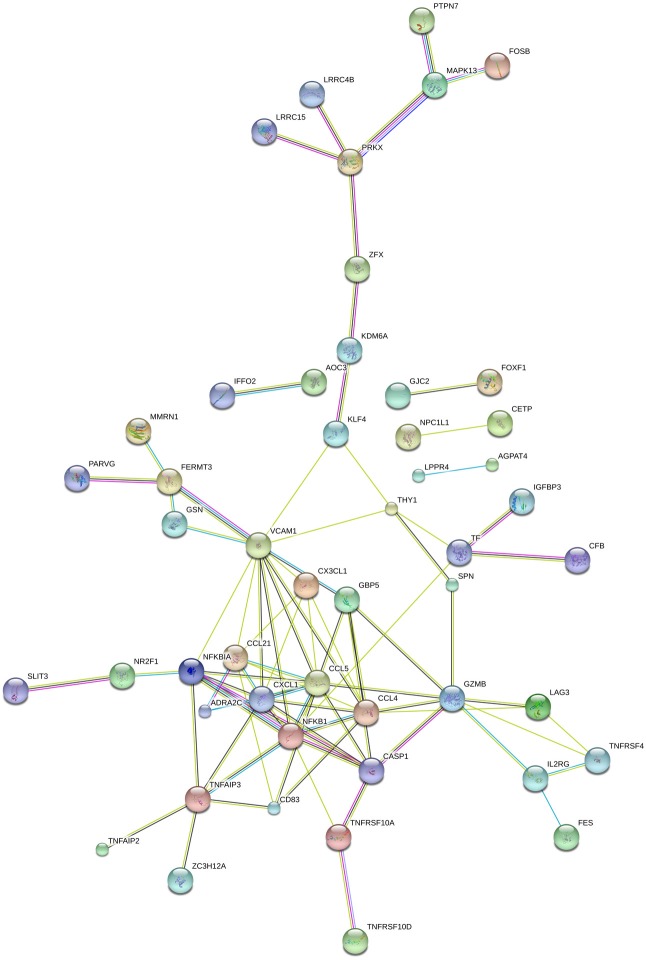
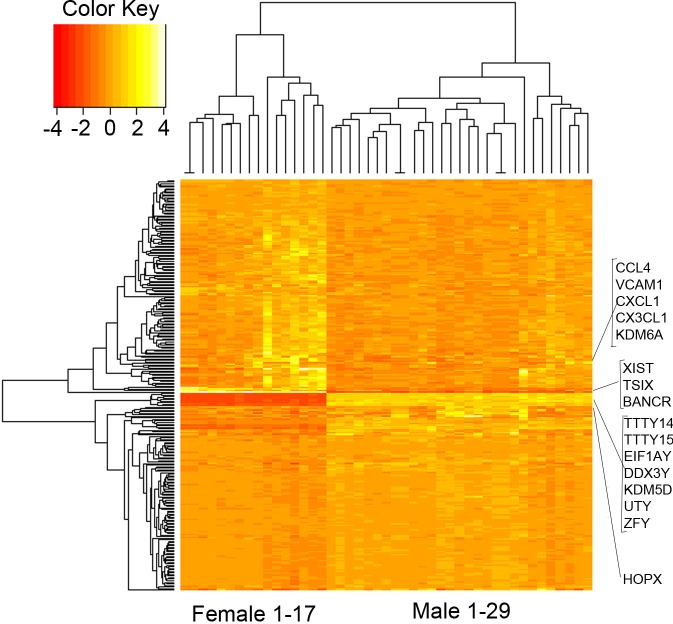
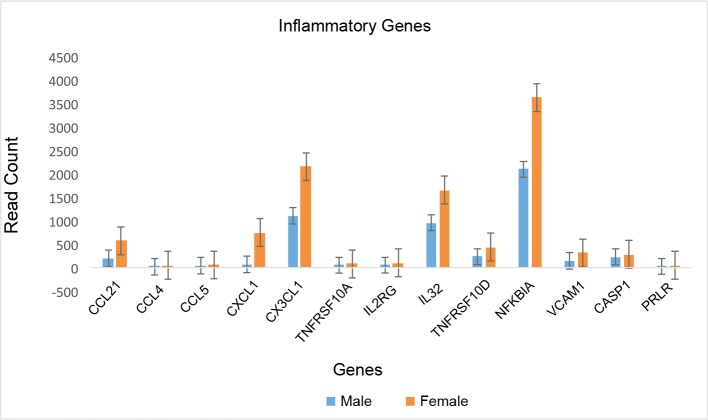
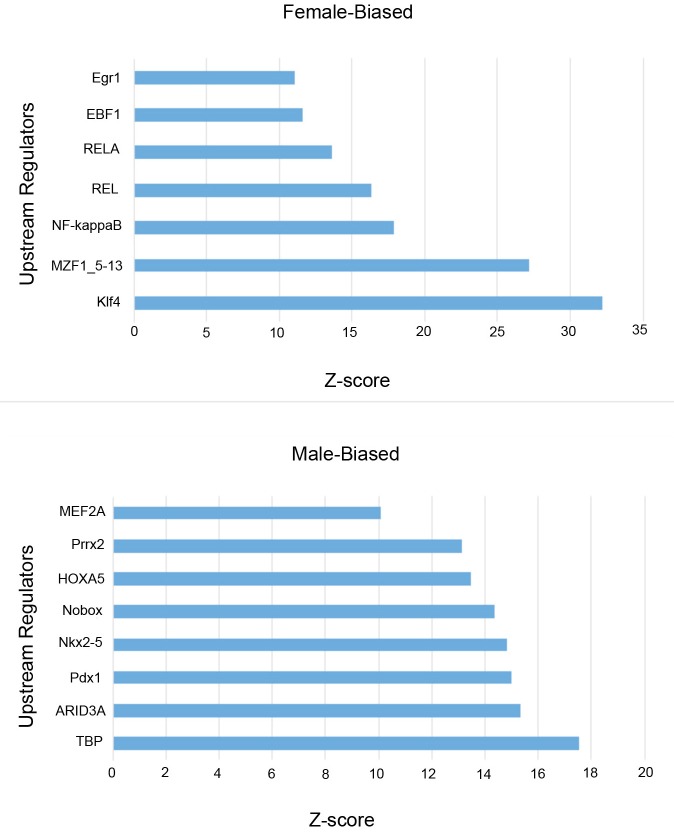
Sex differences in the development of the normal heart and the prevalence of cardiomyopathies have been reported. The molecular basis of these differences remains unclear. Sex differences in the human heart might be related to patterns of gene expression. Recent studies have shown that sex specific differences in gene expression in tissues including the brain, kidney, skeletal muscle, and liver. Similar data is limited for the heart. Herein we address this issue by analyzing donor and post-mortem adult human heart samples originating from 46 control individuals to study whole-genome gene expression in the human left ventricle. Using data from the genotype tissue expression (GTEx) project, we compared the transcriptome expression profiles of male and female hearts. We found that genes located on sex chromosomes were the most abundant ones among the sexually dimorphic genes. The majority of differentially expressed autosomal genes were those involved in the regulation of inflammation, which has been found to be an important contributor to left ventricular remodeling. Specifically, genes on autosomal chromosomes encoding chemokines with inflammatory functions (e.g. CCL4, CX3CL1, TNFAIP3) and a gene that regulates adhesion of immune cells to the endothelium (e.g., VCAM1) were identified with sex-specific expression levels. This study underlines the relevance of sex as an important modifier of cardiac gene expression. These results have important implications in the understanding of the differences in the physiology of the male and female heart transcriptome and how they may lead to different sex specific difference in human cardiac health and its control.
已有报道称正常心脏发育及心肌病患病率存在性别差异。这些差异的分子基础仍不清楚。人类心脏中的性别差异可能与基因表达模式有关。最近的研究表明,在包括大脑、肾脏、骨骼肌和肝脏在内的组织中存在基因表达的性别特异性差异。关于心脏的类似数据有限。在此,我们通过分析来自46名对照个体的供体和死后成人心脏样本,研究人类左心室中的全基因组基因表达,以解决这一问题。利用基因型组织表达(GTEx)项目的数据,我们比较了男性和女性心脏的转录组表达谱。我们发现位于性染色体上的基因是性二态性基因中最丰富的。大多数差异表达的常染色体基因是那些参与炎症调节的基因,炎症已被发现是左心室重塑的重要因素。具体而言,发现常染色体上编码具有炎症功能趋化因子的基因(如CCL4、CX3CL1、TNFAIP3)以及一个调节免疫细胞与内皮细胞粘附的基因(如VCAM1)具有性别特异性表达水平。本研究强调了性别作为心脏基因表达重要调节因素的相关性。这些结果对于理解男性和女性心脏转录组生理学差异以及它们如何可能导致人类心脏健康及其调控方面不同的性别特异性差异具有重要意义。