Department of Pharmaceutics, Faculty of Pharmaceutical Sciences, Kyushu University, 3-1-1 Maidashi Higashi-ku, Fukuoka, 812-8582, Japan.
Department of Glocal Healthcare Science, Faculty of Pharmaceutical Sciences, Kyushu University, 3-1-1 Maidashi Higashi-ku, Fukuoka, 812-8582, Japan.
Sci Rep. 2017 Aug 30;7(1):9995. doi: 10.1038/s41598-017-10599-1.
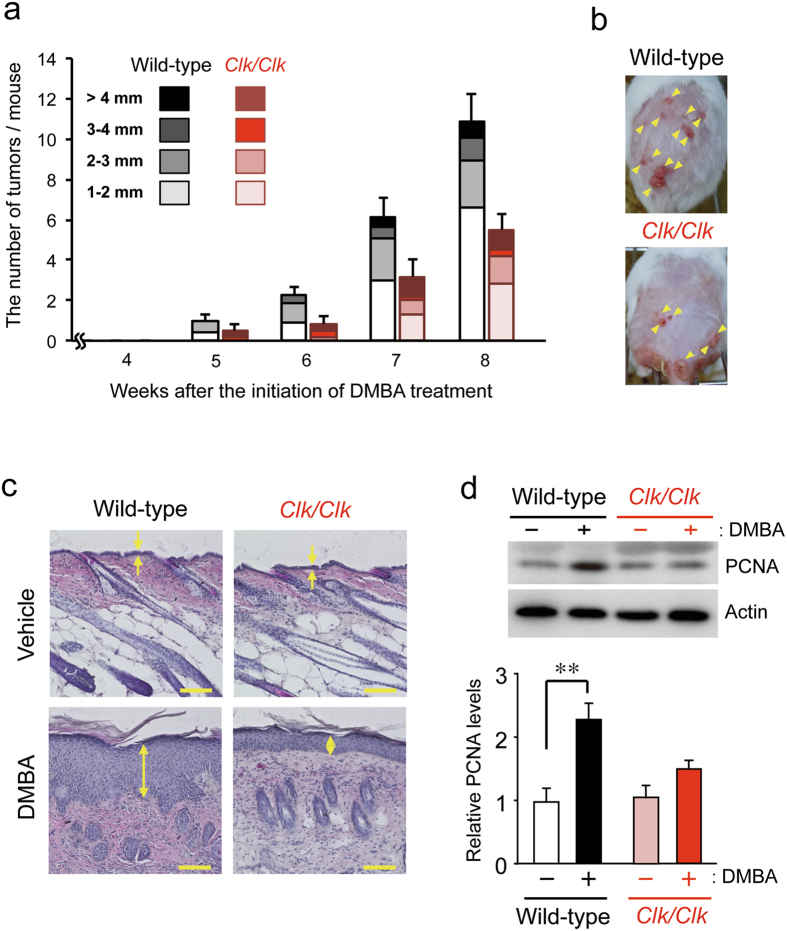
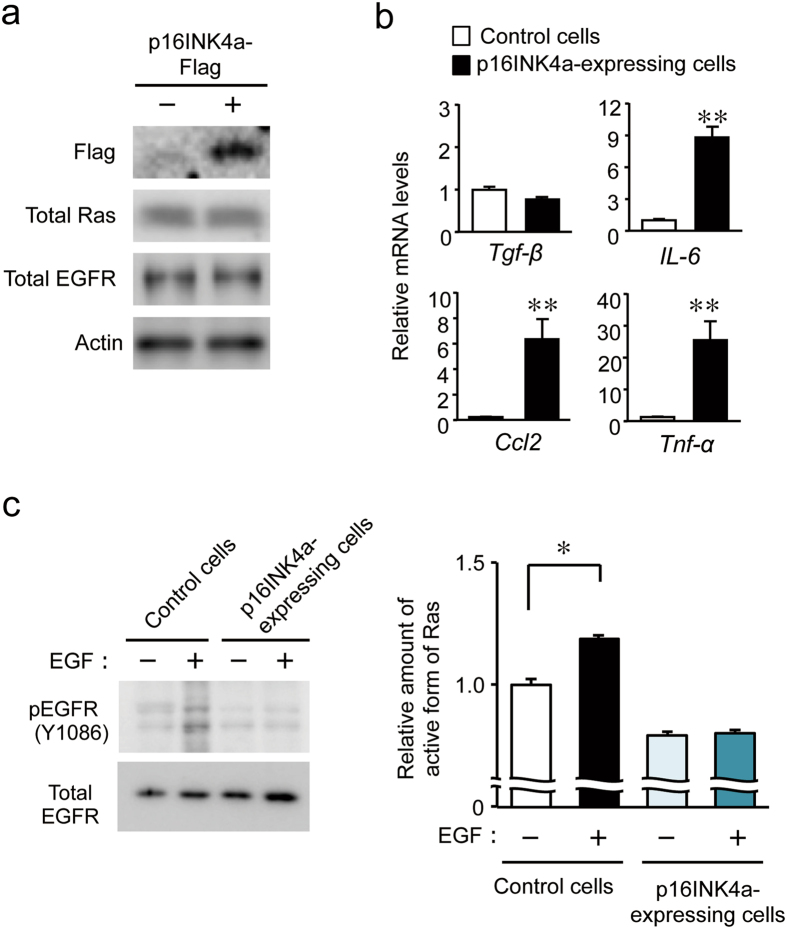
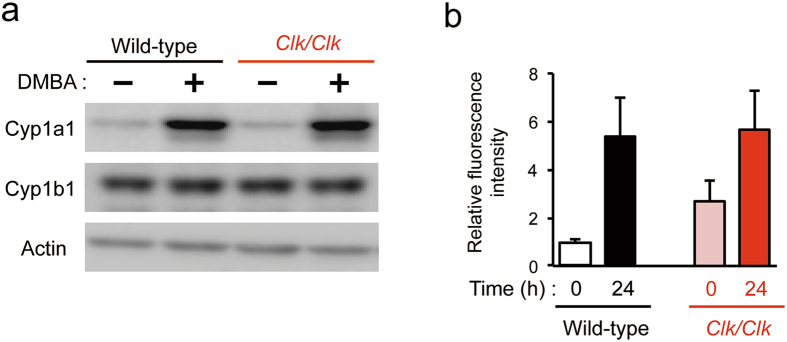
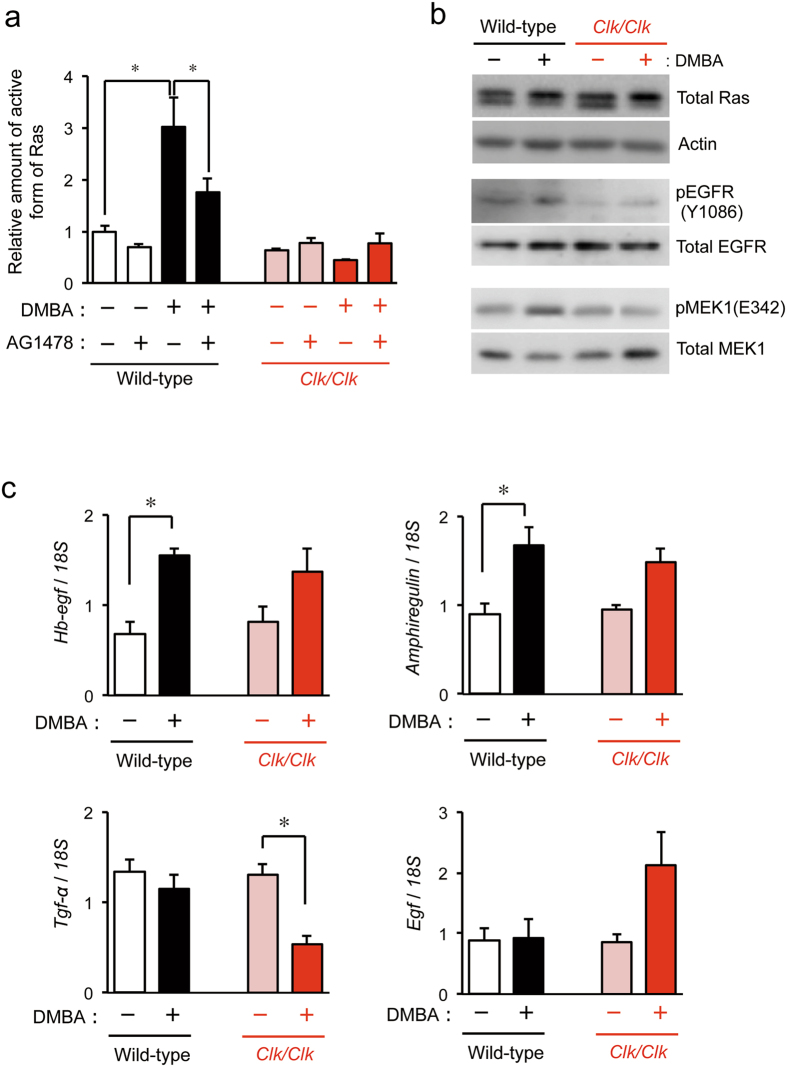
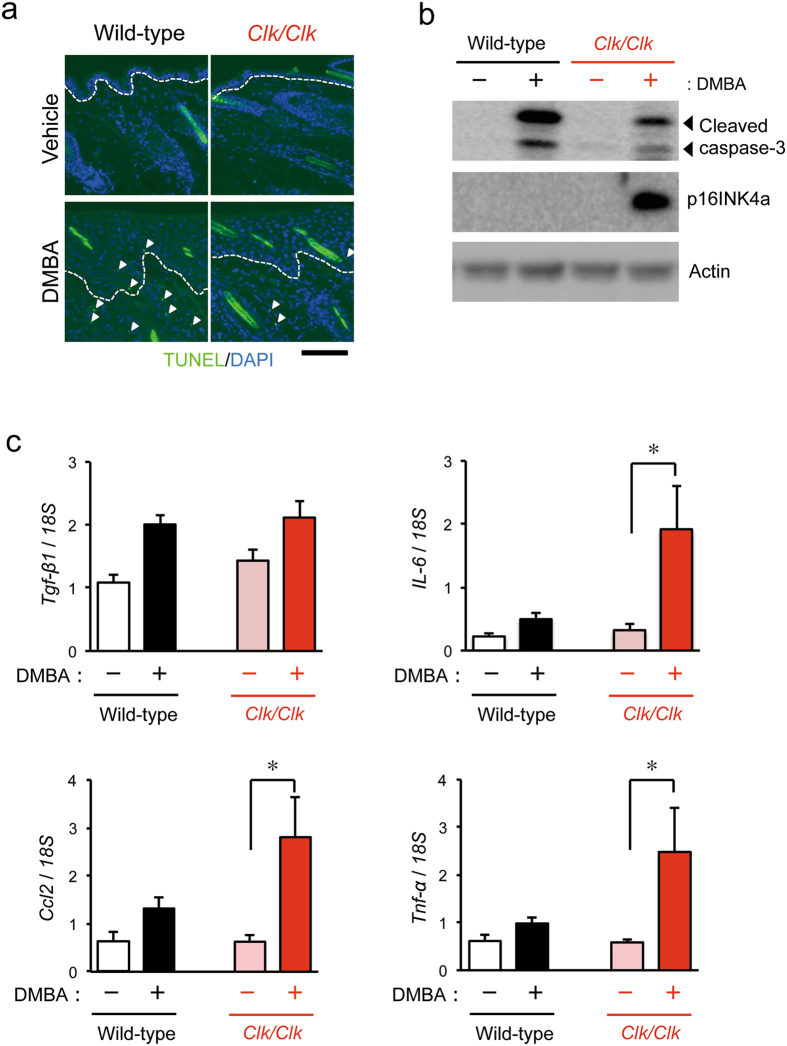
The chronic disruption of circadian rhythms has been implicated in the risk of cancer development in humans and laboratory animals. The gene product CLOCK is a core molecular component of the circadian oscillator, so that mice with a mutated Clock gene (Clk/Clk) exhibit abnormal rhythms in various physiological processes. However, we demonstrated here that Clk/Clk mice resisted chemical carcinogen-induced tumorigenesis by suppressing epidermal growth factor (EGF) receptor-mediated proliferation signals. The repetitive application of 7,12-dimethylbenz[α]anthracene (DMBA) to skin on the back resulted in the significant development of tumors in wild-type mice, whereas chemically-induced tumorigenesis was alleviated in Clk/Clk mice. Although the degree of DMBA-induced DNA damage was not significantly different between wild-type and Clk/Clk mice, EGF receptor-mediated Ras activation was not detected in DMBA-treated Clk/Clk mice. Genetic and biochemical experiments revealed that the suppression of EGF receptor-mediated signal transduction in DMBA-treated Clk/Clk mice was associated with the expression of the cellular senescence factor p16INK4a. These results suggest an uncovered role for CLOCK in the development of chemical carcinogen-induced primary tumors and offers new preventive strategies.
慢性节律紊乱与人类和实验动物的癌症发展风险有关。时钟基因产物 CLOCK 是昼夜节律振荡器的核心分子成分,因此具有突变 Clock 基因(Clk/Clk)的小鼠表现出各种生理过程的异常节律。然而,我们在这里证明,Clk/Clk 小鼠通过抑制表皮生长因子(EGF)受体介导的增殖信号来抵抗化学致癌剂诱导的肿瘤发生。背部皮肤重复应用 7,12-二甲基苯并[a]蒽(DMBA)可导致野生型小鼠显著形成肿瘤,而 Clk/Clk 小鼠则减轻了化学诱导的肿瘤发生。尽管野生型和 Clk/Clk 小鼠之间 DMBA 诱导的 DNA 损伤程度没有显著差异,但在 DMBA 处理的 Clk/Clk 小鼠中未检测到 EGF 受体介导的 Ras 激活。遗传和生化实验表明,DMBA 处理的 Clk/Clk 小鼠中 EGF 受体介导的信号转导的抑制与细胞衰老因子 p16INK4a 的表达有关。这些结果表明 CLOCK 在化学致癌剂诱导的原发性肿瘤发展中具有未被揭示的作用,并提供了新的预防策略。