Yu Yuchong, Liu Yao, Li Yuhong, Yang Xiaoming, Han Mi, Fan Qiong
Department of Gynecologic Oncology, The International Peace Maternity and Child Health Hospital, School of Medicine, Shanghai Jiao Tong University, Shanghai, China.
Shanghai Municipal Key Clinical Specialty of Gynecologic Oncology, Shanghai, China.
Cancer Cell Int. 2023 May 15;23(1):92. doi: 10.1186/s12935-023-02926-6.
Rather low vaccination rates for Human papillomavirus (HPV) and pre-existing cervical cancer patients with limited therapeutic strategies ask for more precise prognostic model development. On the other side, the clinical significance of circadian clock signatures in cervical cancer lacks investigation.
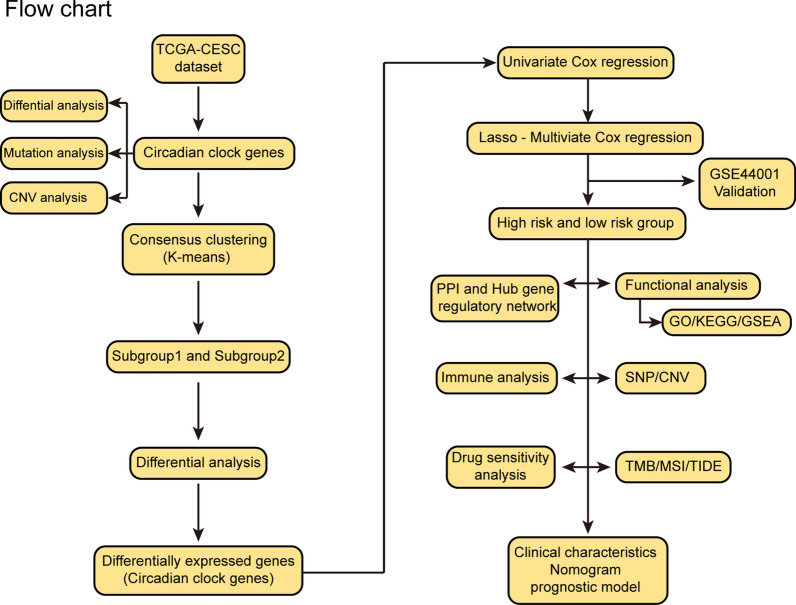
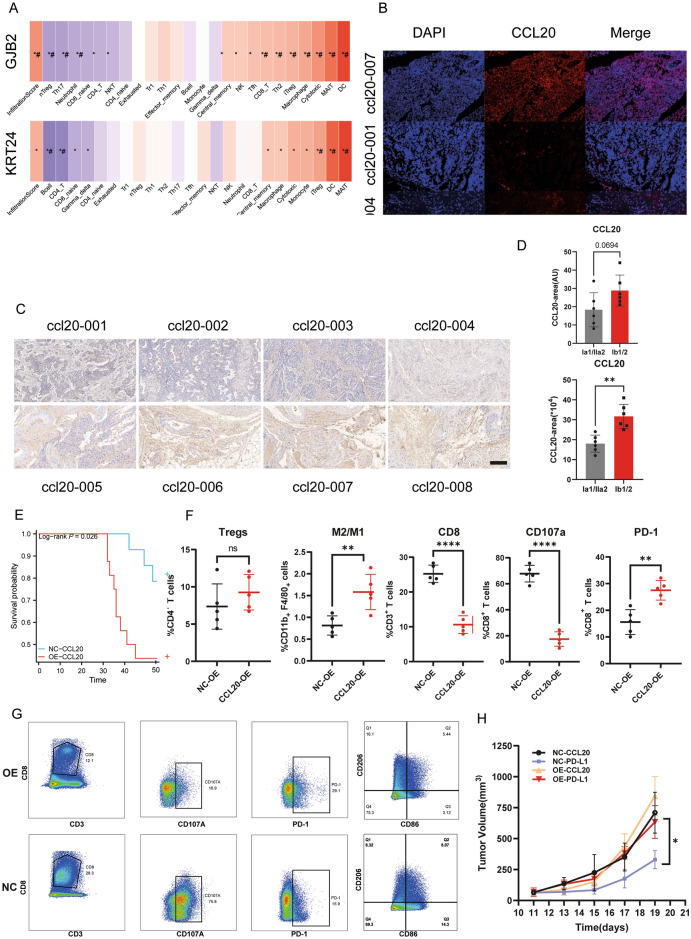
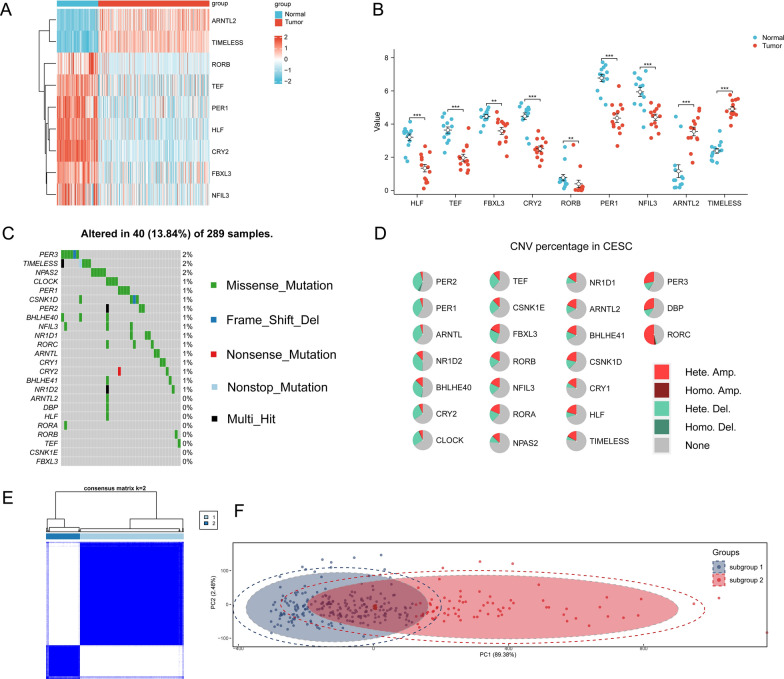
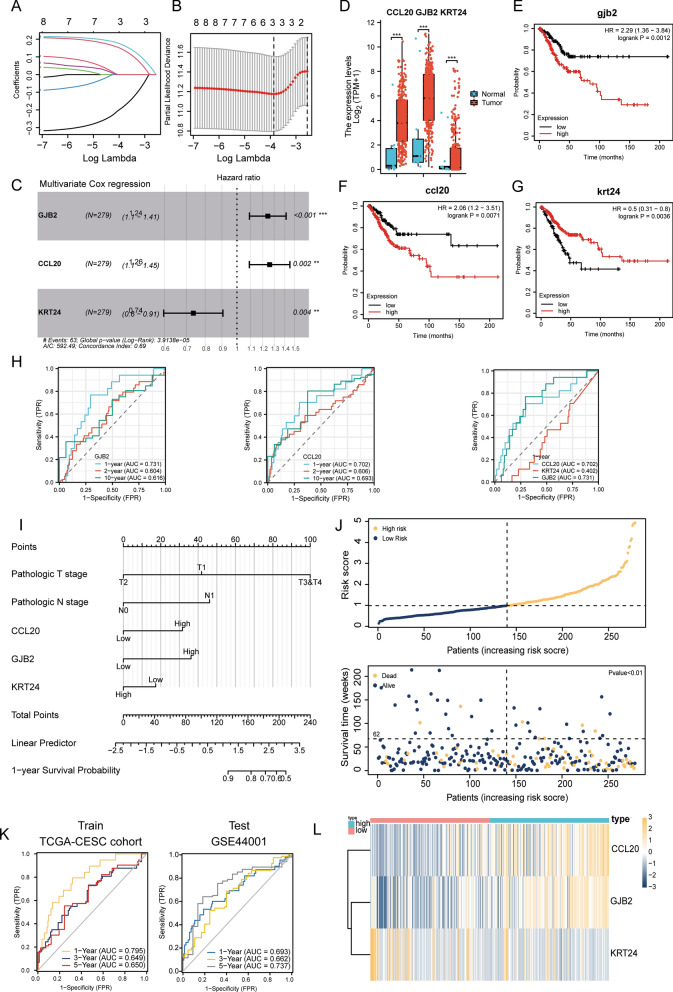
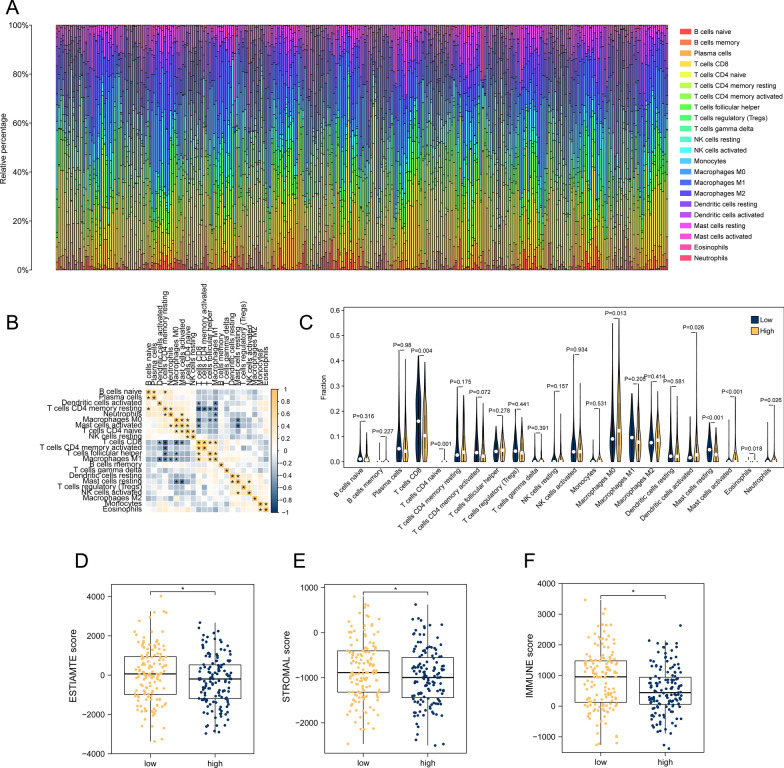
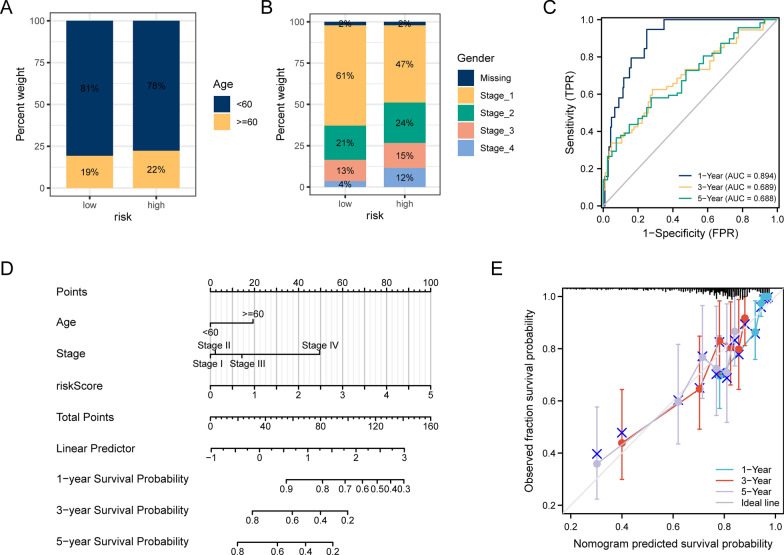
Subtypes classification based upon eight circadian clock core genes were implemented in TCGA-CESC through k-means clustering methods. Afterwards, KEGG, GO and GSEA analysis were conducted upon differentially expressed genes (DEGs) between high and low-risk groups, and tumor microenvironment (TME) investigation by CIBERSORT and ESTIMATE. Furthermore, a prognostic model was developed by cox and lasso regression methods, and verified in GSE44001 by time-dependent receiver-operating characteristic curve (ROC) analysis. Lastly, FISH and IHC were used for validation of CCL20 expression in patients' specimens and U14 subcutaneous tumor models were built for TME composition.
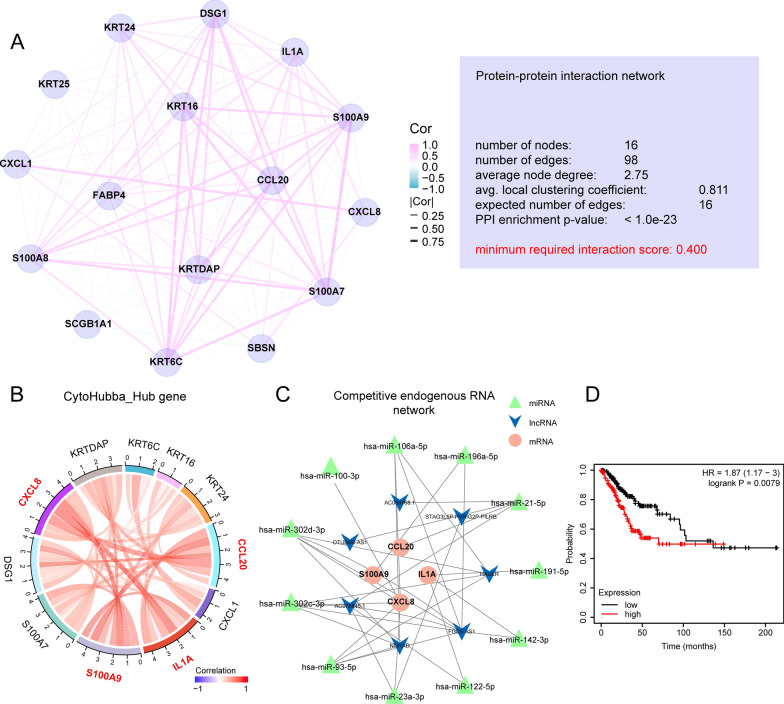
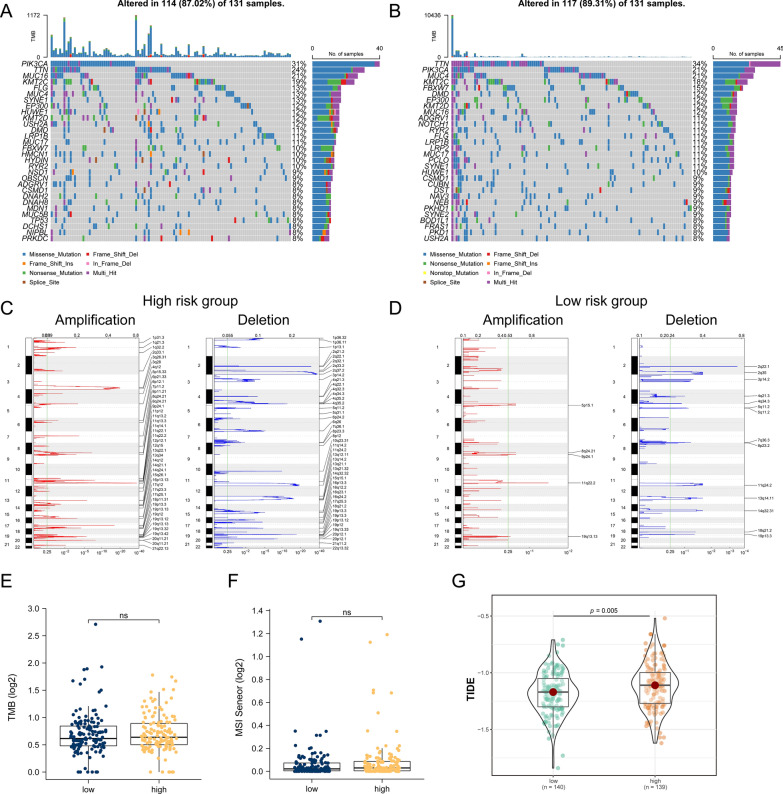
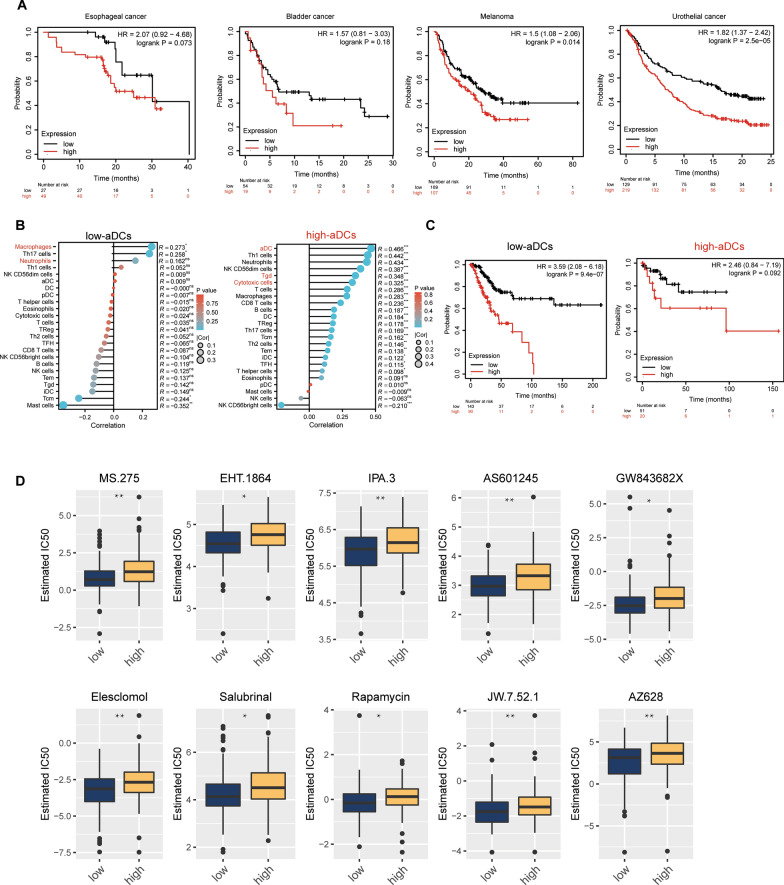
We successfully classified cervical patients into high-risk and low-risk groups based upon circadian-oscillation-signatures. Afterwards, we built a prognostic risk model composed of GJB2, CCL20 and KRT24 with excellent predictive value on patients' overall survival (OS). We then proposed metabolism unbalance, especially for glycolysis, and immune related pathways to be major enriched signatures between the high-risk and low-risk groups. Then, we proposed an 'immune-desert'-like suppressive myeloid cells infiltration pattern in high-risk group TME and verified its resistance to immunotherapies. Finally, CCL20 was proved positively correlated with real-world patients' stages and induced significant less CD8 T cells and more M2 macrophages infiltration in mouse model.
We unraveled a prognostic risk model based upon circadian oscillation and verified its solidity. Specifically, we unveiled distinct TME immune signatures in high-risk groups.
人乳头瘤病毒(HPV)疫苗接种率较低,且现有宫颈癌患者的治疗策略有限,因此需要开发更精确的预后模型。另一方面,昼夜节律时钟特征在宫颈癌中的临床意义尚缺乏研究。
通过k均值聚类方法在TCGA-CESC中基于8个昼夜节律时钟核心基因进行亚型分类。随后,对高风险和低风险组之间的差异表达基因(DEG)进行KEGG、GO和GSEA分析,并通过CIBERSORT和ESTIMATE进行肿瘤微环境(TME)研究。此外,通过cox和lasso回归方法开发了一个预后模型,并通过时间依赖性受试者操作特征曲线(ROC)分析在GSE44001中进行验证。最后,使用FISH和IHC验证患者标本中CCL20的表达,并建立U14皮下肿瘤模型用于TME组成分析。
我们成功地根据昼夜节律振荡特征将宫颈癌患者分为高风险和低风险组。随后,我们构建了一个由GJB2、CCL20和KRT24组成的预后风险模型,对患者的总生存期(OS)具有出色的预测价值。然后,我们提出代谢失衡,尤其是糖酵解和免疫相关途径是高风险和低风险组之间主要的富集特征。接着,我们提出高风险组TME中存在一种“免疫沙漠”样的抑制性髓样细胞浸润模式,并验证了其对免疫治疗的抗性。最后,证明CCL20与真实世界患者的分期呈正相关,并在小鼠模型中诱导显著更少的CD8 T细胞和更多的M2巨噬细胞浸润。
我们揭示了一种基于昼夜节律振荡的预后风险模型,并验证了其可靠性。具体而言,我们揭示了高风险组中独特的TME免疫特征。