Department of Otorhinolaryngology, Yonsei University College of Medicine, Seoul, Korea.
Department of Otolaryngology-Head and Neck Surgery, Cancer Research Institute, Research Institute for Medical Sciences, Chungnam National University College of Medicine, Daejeon, Korea.
Sci Rep. 2017 Aug 30;7(1):10022. doi: 10.1038/s41598-017-10733-z.
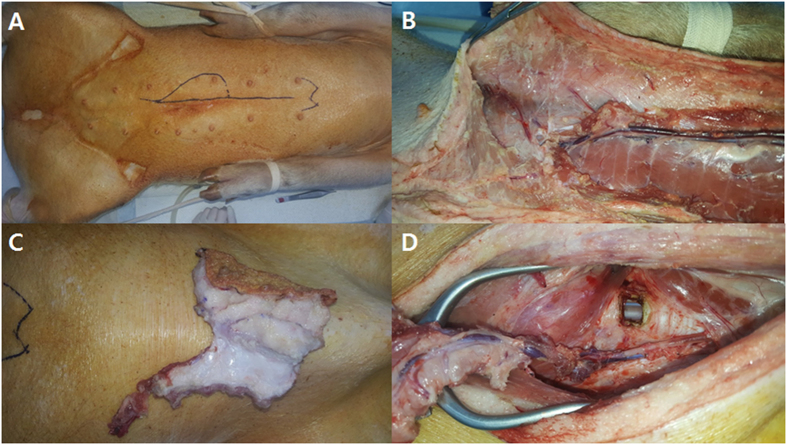
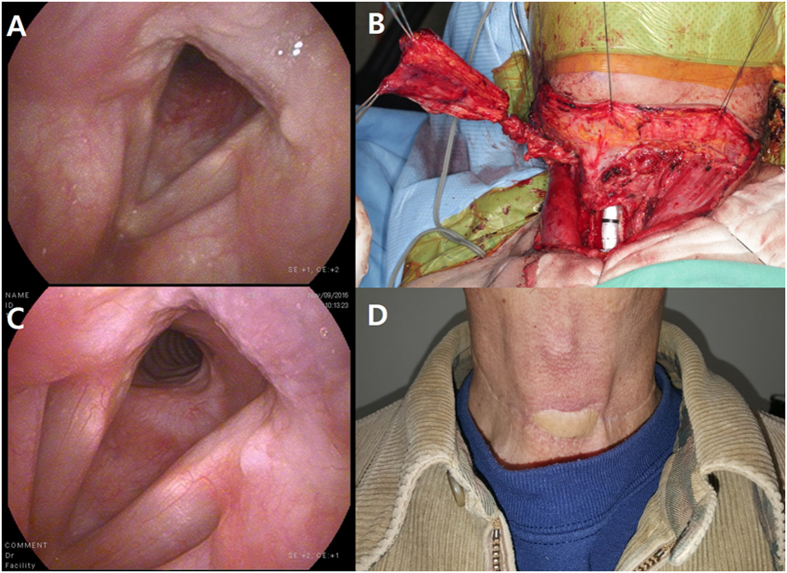
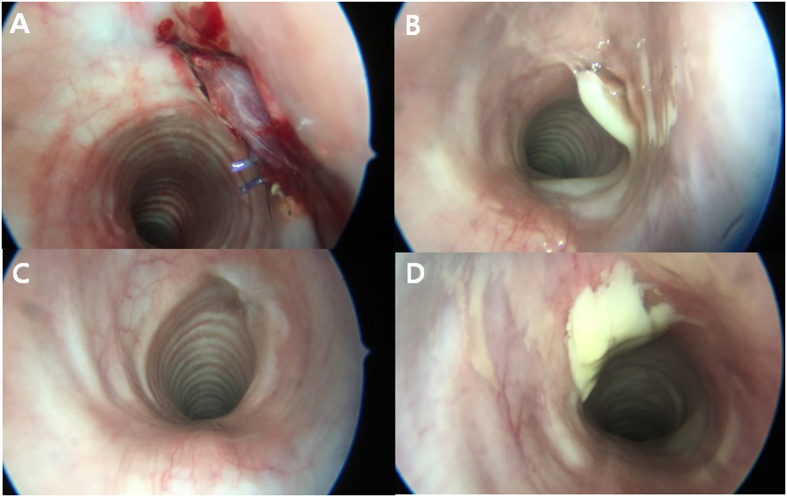
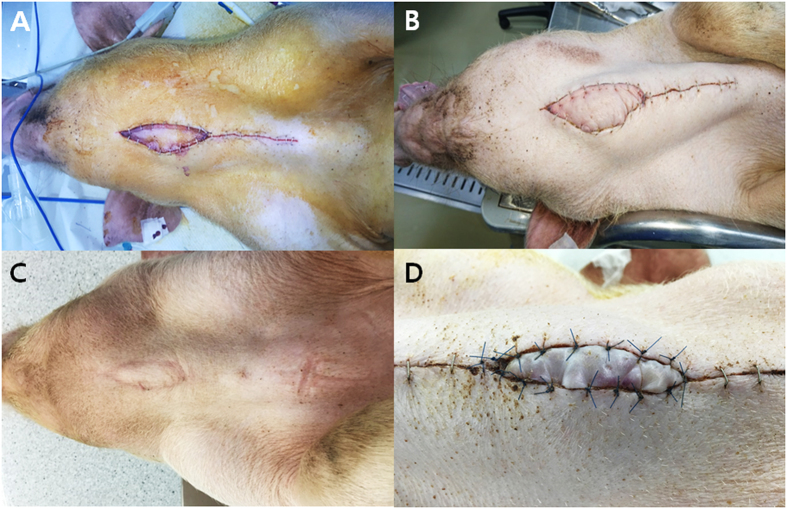
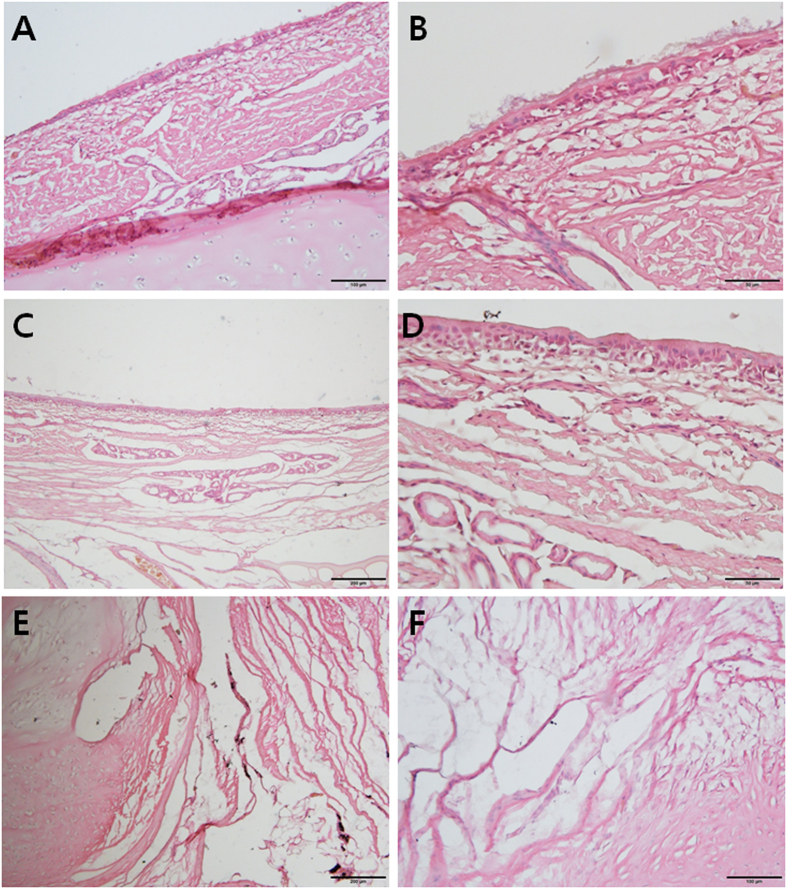
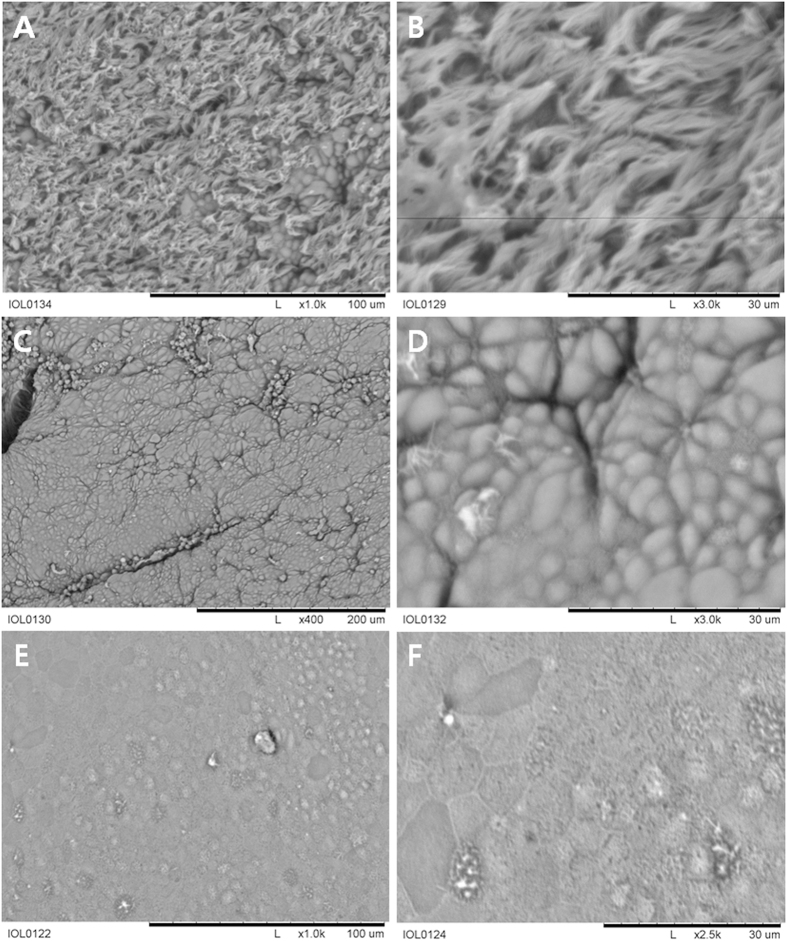
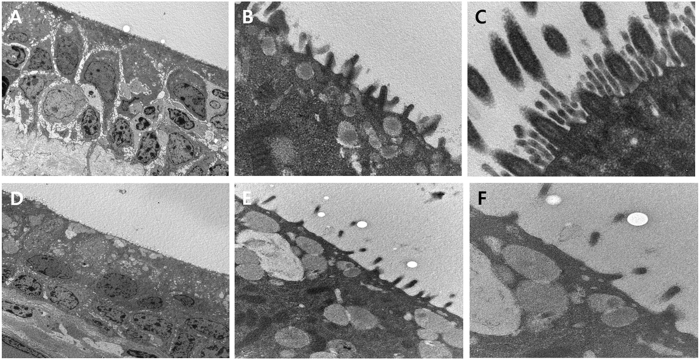
Although there are various methods for tracheal reconstruction, such as a simple approximation with suturing and coverage with adjacent soft tissue or muscle, large defects >50% of the tracheal length still present a clinical challenge. Tissue engineering, a recent promising way to possibly resolve this problem, requires a long preparatory period for stem cell seeding on a scaffold and relatively invasive procedures for stem cell harvesting. As an alternative, we used a vascularized myofascial flap for tracheal reconstruction. In four porcine models, the deep inferior epigastric perforator (DIEP) was used in two and the superior epigastric artery perforator (SEAP) in two. Transformation of the surface of the transplanted myofascial flap was analyzed in the airway environment. The flaps failed in the DIEP group due to venous congestion. At 12 weeks postoperatively, none of SEAP group showed any signs of respiratory distress; the inner surface of the implant exhibited stratified squamous epithelium with sparse cilia. In the clinical setting, a patient who underwent a tracheal reconstruction with a vascularized myofascial flap and 2-year follow-up was in good health with no respiratory distress symptoms.
尽管有多种方法可用于气管重建,例如简单地进行缝合和用邻近的软组织或肌肉覆盖,但仍有较大的缺陷(>50%的气管长度),这对临床提出了挑战。组织工程学是一种很有前途的解决此问题的方法,但需要在支架上进行干细胞接种的长期准备期,并且需要进行相对侵入性的干细胞采集程序。作为替代方法,我们使用血管化的筋膜瓣进行气管重建。在四个猪模型中,有两个使用了深部腹壁下动脉穿支(DIEP),有两个使用了腹壁上动脉穿支(SEAP)。分析了在气道环境中移植的筋膜瓣的表面转化。由于静脉充血,DIEP 组的皮瓣失败。在术后 12 周,SEAP 组均未出现任何呼吸窘迫的迹象;植入物的内表面显示出具有稀疏纤毛的复层扁平上皮。在临床环境中,接受血管化筋膜瓣进行气管重建并随访 2 年的患者身体健康,无呼吸窘迫症状。