Graz University of Technology, Institute of Environmental Biotechnology, Petersgasse 12, 8010, Graz, Austria.
Department of Life Sciences, Università degli Studi di Trieste, Via L. Giorgeri, 34127, Trieste, Italy.
Microbiome. 2017 Sep 1;5(1):104. doi: 10.1186/s40168-017-0310-6.
Although the plant microbiome is crucial for plant health, little is known about the significance of the seed microbiome. Here, we studied indigenous bacterial communities associated with the seeds in different cultivars of oilseed rape and their interactions with symbiotic and pathogenic microorganisms.
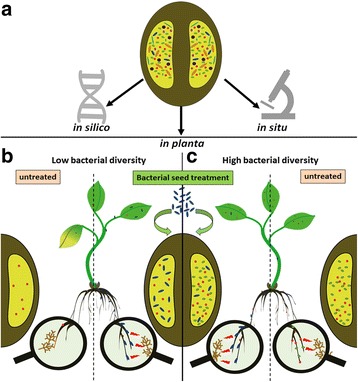
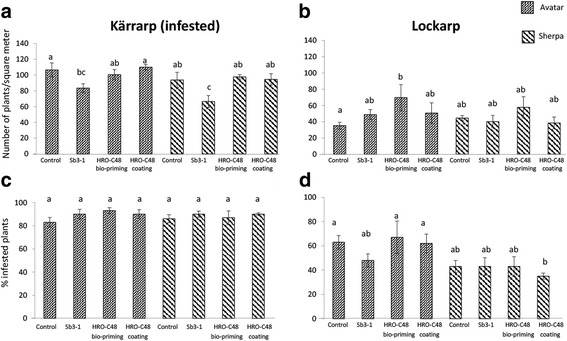
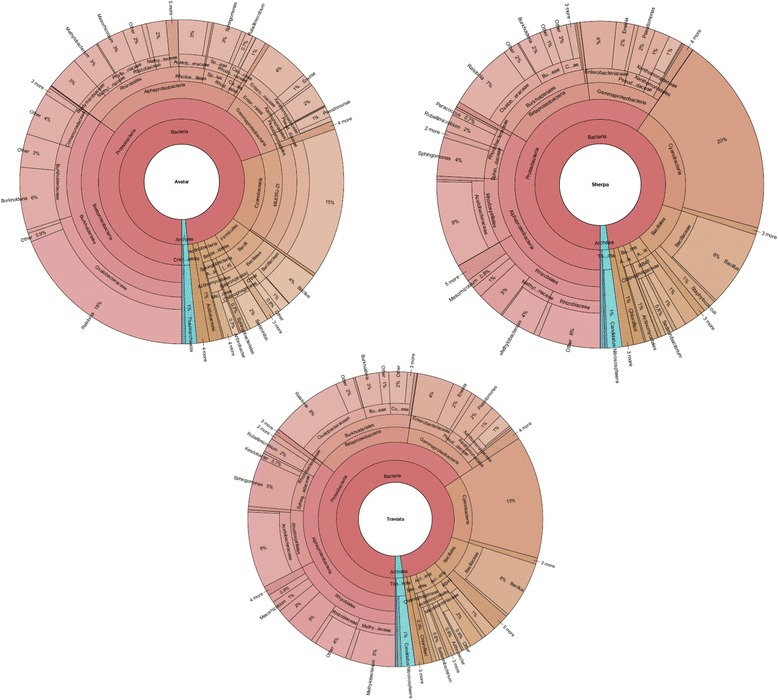
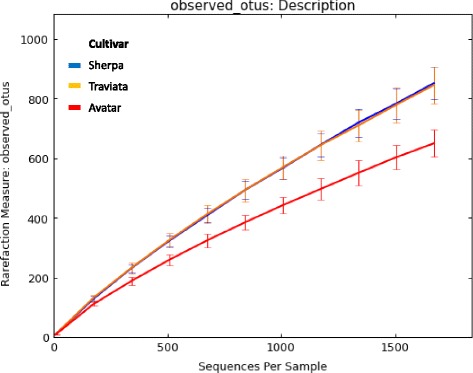
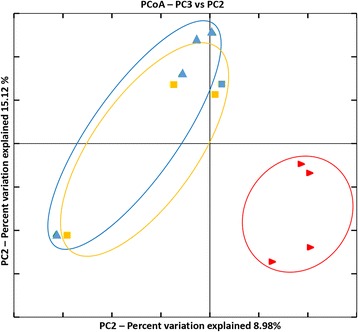
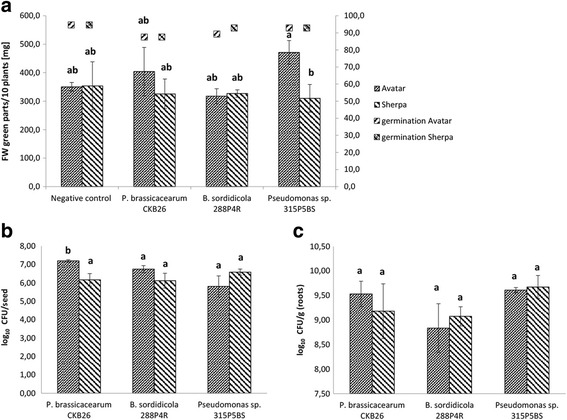
We found a high bacterial diversity expressed by tight bacterial co-occurrence networks within the rape seed microbiome, as identified by llumina MiSeq amplicon sequencing. In total, 8362 operational taxonomic units (OTUs) of 40 bacterial phyla with a predominance of Proteobacteria (56%) were found. The three cultivars that were analyzed shared only one third of the OTUs. The shared core of OTUs consisted mainly of Alphaproteobacteria (33%). Each cultivar was characterized by having its own unique bacterial structure, diversity, and proportion of unique microorganisms (25%). The cultivar with the lowest bacterial abundance, diversity, and the highest predicted bacterial metabolic activity rate contained the highest abundance of potential pathogens within the seed. This data corresponded with the observation that seedlings belonging to this cultivar responded more strongly to the seed treatments with bacterial inoculants than other cultivars. Cultivars containing higher indigenous diversity were characterized as having a higher colonization resistance against beneficial and pathogenic microorganisms. Our results were confirmed by microscopic images of the seed microbiota.
The structure of the seed microbiome is an important factor in the development of colonization resistance against pathogens. It also has a strong influence on the response of seedlings to biological seed treatments. These novel insights into seed microbiome structure will enable the development of next generation strategies combining both biocontrol and breeding approaches to address world agricultural challenges.
尽管植物微生物组对植物健康至关重要,但人们对种子微生物组的重要性知之甚少。在这里,我们研究了与不同油菜品种种子相关的土著细菌群落及其与共生和病原微生物的相互作用。
我们发现通过 Illumina MiSeq 扩增子测序鉴定的油菜种子微生物组内存在高度的细菌多样性,表现为紧密的细菌共现网络。总共发现了 8362 个属于 40 个细菌门的操作分类单元(OTU),其中优势门为变形菌门(56%)。被分析的三个品种仅共享三分之一的 OTU。共享的核心 OTU 主要由α变形菌门(33%)组成。每个品种都具有独特的细菌结构、多样性和独特微生物(25%)的比例。细菌丰度、多样性和预测细菌代谢活性率最低的品种,其种子内的潜在病原菌丰度最高。这一数据与观察结果一致,即属于该品种的幼苗对细菌接种剂的种子处理的反应比其他品种更强烈。含有较高土著多样性的品种表现出对有益和病原微生物更高的定植抗性。我们的结果通过种子微生物群的显微镜图像得到了证实。
种子微生物组的结构是对病原菌定植抗性发展的重要因素。它还对幼苗对生物种子处理的反应有很强的影响。这些关于种子微生物组结构的新见解将使结合生物防治和选育方法来应对世界农业挑战的下一代策略的开发成为可能。