Zare-Bidaki Majid, Sadrinia Sajad, Erfani Soheila, Afkar Ehsan, Ghanbarzade Nahid
Infectious Diseases Research Center, Faculty of Paramedical Sciences, Birjand University of Medical Sciences, Birjand, Iran.
Faculty of Dentistry, Birjand University of Medical Sciences, Birjand, Iran.
J Reprod Infertil. 2017 Apr-Jun;18(2):218-224.
There is evidence of antibacterial properties of human chorioamniotic layer. However, the distinctive contribution of its individual parts, amniotic and chorionic membranes, to these effects is still unknown. The aim of present study was comparison of the antibacterial effects between amniotic and chorionic membranes.
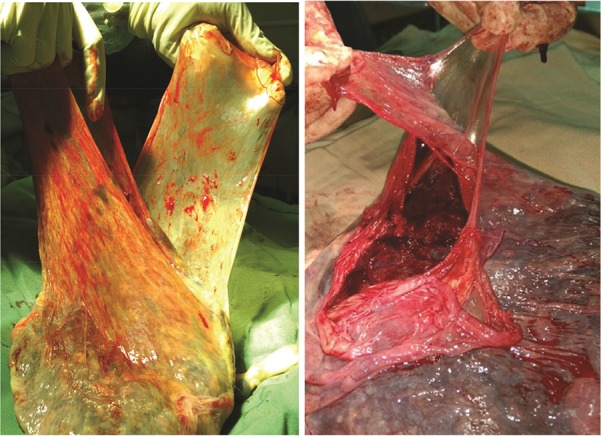
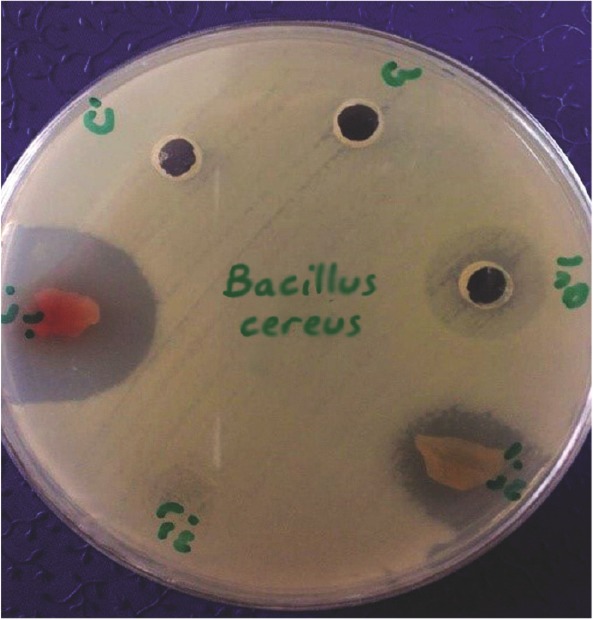
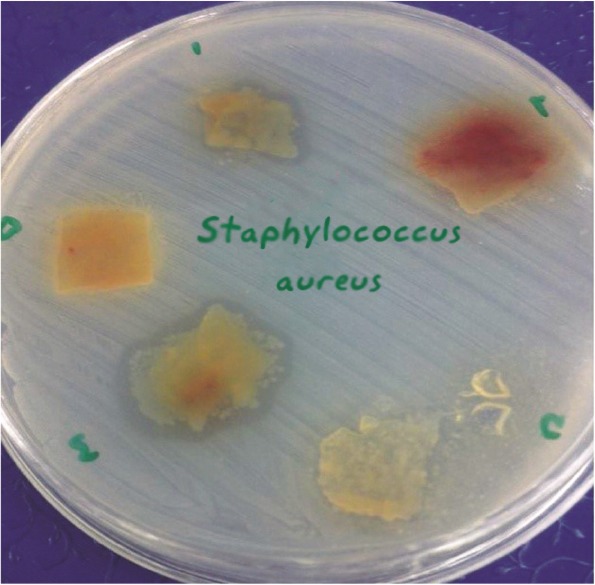
Chorioamniotic layer was removed from placenta belonging to 43 healthy mothers whose infants were delivered by caesarean section. Their amniotic and chorionic fetal tissues were manually peeled in sterile conditions. The antibacterial effects of all membrane samples were evaluated on 8 standard strains of bacterial collection using disk diffusion method on bacteriologic media. Results of bacterial growth inhibition in the presence of amniotic or chorionic membranes were measured and recorded as median±IQR. For data analysis and statistical comparison of samples, Kruskal-Wallis and Mann-Whitney U-test were applied using SPSS (v. 18).
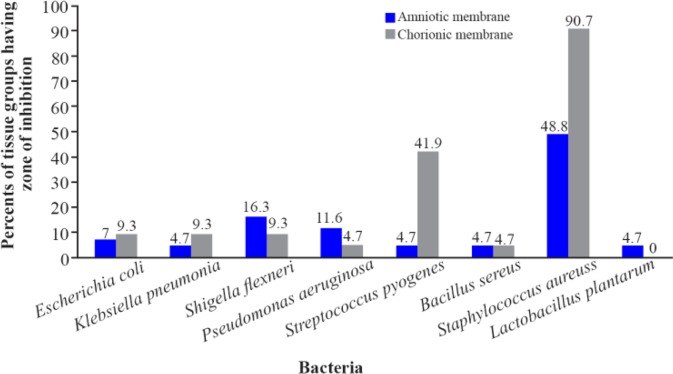
Amniotic and chorionic membranes significantly showed different level of growth inhibitory effects on 8 bacterial strains including seven pathogens: , , , , , , and one probiotic: (p=0.018 and p<0.001, respectively). The number of bacterial growth inhibition zones around chorionic membranes was more than of what found around amniotic membranes.
The superiority of antibacterial effects of the chorionic membrane compared with the amniotic membrane can represent the key role of maternal part in placenta in protecting the fetus against possible infections. The antimicrobial effect of amniotic and chorionic membranes is significantly different on various bacteria.
有证据表明人绒毛膜羊膜层具有抗菌特性。然而,其各个部分,即羊膜和绒毛膜,对这些作用的独特贡献仍不清楚。本研究的目的是比较羊膜和绒毛膜的抗菌效果。
从43名健康母亲的胎盘中取出绒毛膜羊膜层,这些母亲的婴儿通过剖宫产分娩。在无菌条件下手动剥离其羊膜和绒毛膜胎儿组织。使用纸片扩散法在细菌培养基上对所有膜样本对8种标准菌株的抗菌效果进行评估。测量并记录在羊膜或绒毛膜存在下细菌生长抑制的结果,以中位数±四分位数间距表示。为了对样本进行数据分析和统计比较,使用SPSS(v.18)应用Kruskal-Wallis检验和Mann-Whitney U检验。
羊膜和绒毛膜对8种细菌菌株(包括7种病原体: 、 、 、 、 、 、 和1种益生菌: )的生长抑制作用水平存在显著差异(分别为p = 0.018和p < 0.001)。绒毛膜周围的细菌生长抑制圈数量多于羊膜周围的数量。
与羊膜相比,绒毛膜抗菌效果的优越性可能代表胎盘母体部分在保护胎儿免受可能感染方面的关键作用。羊膜和绒毛膜对不同细菌的抗菌作用存在显著差异。