Villegas-Mendez Ana, Strangward Patrick, Shaw Tovah N, Rajkovic Ivana, Tosevski Vinko, Forman Ruth, Muller Werner, Couper Kevin N
Faculty of Biology, Medicine and Health, University of Manchester, Manchester, United Kingdom
Faculty of Biology, Medicine and Health, University of Manchester, Manchester, United Kingdom.
Infect Immun. 2017 Oct 18;85(11). doi: 10.1128/IAI.01035-16. Print 2017 Nov.
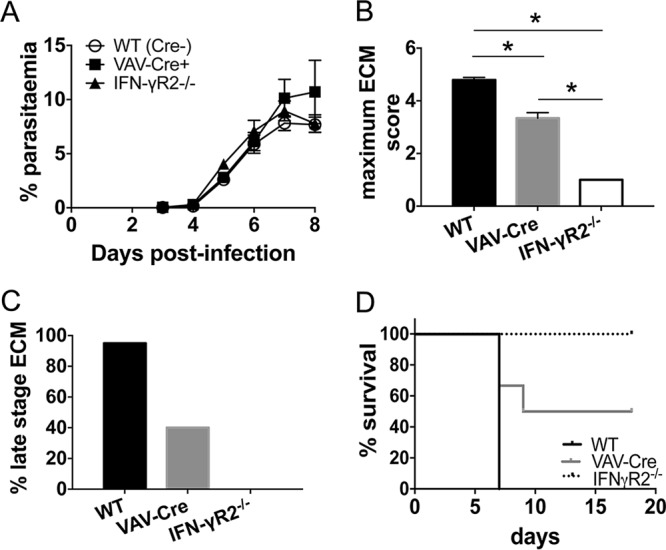
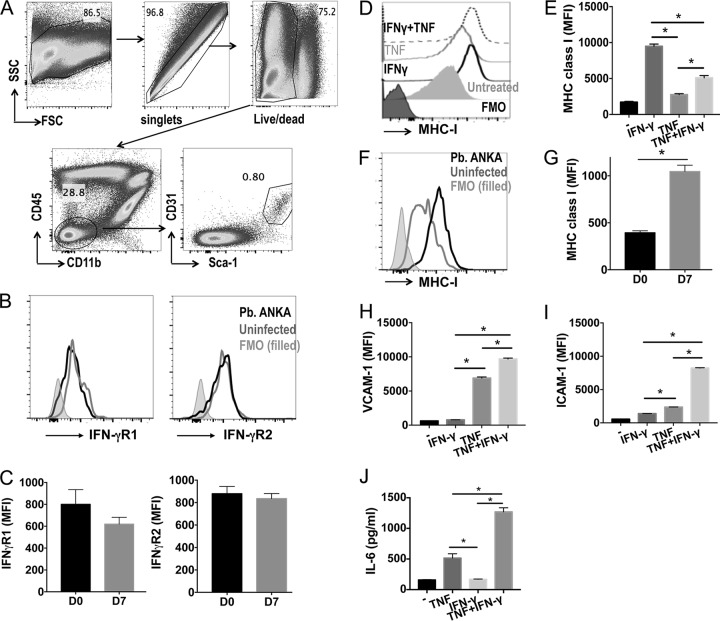
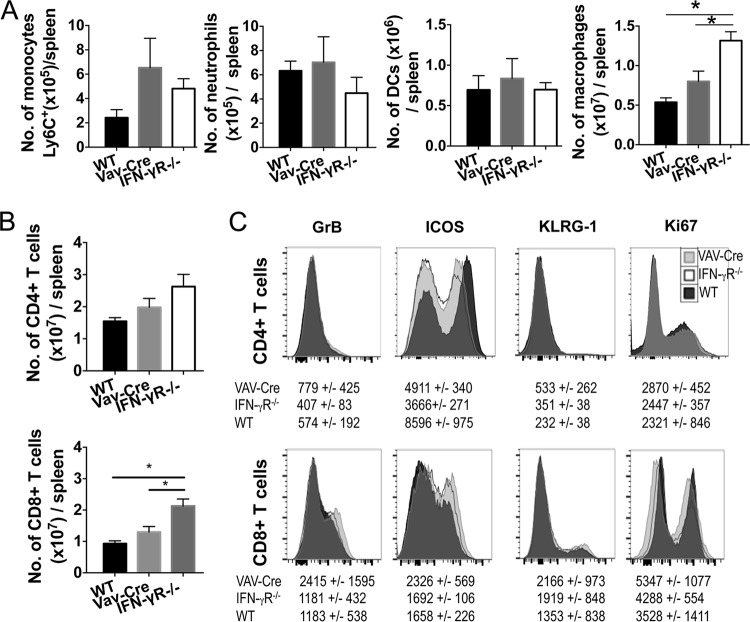
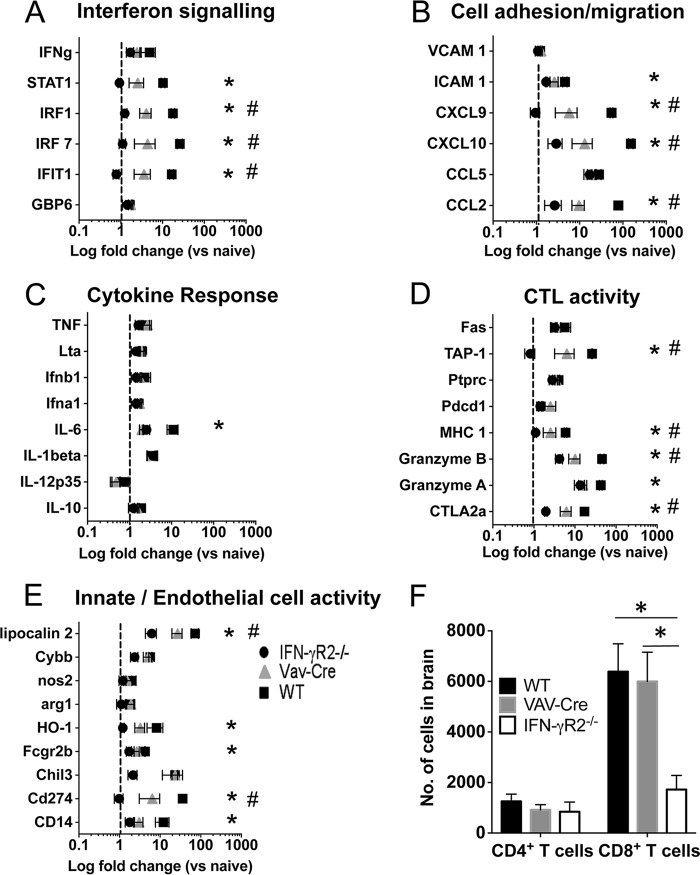
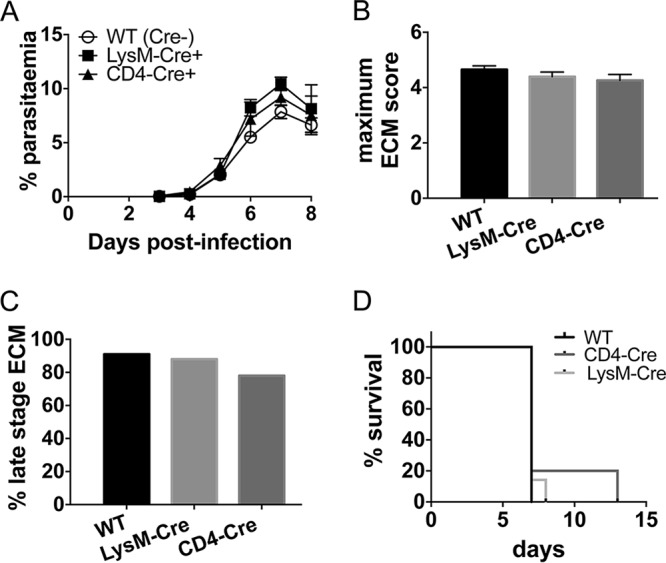
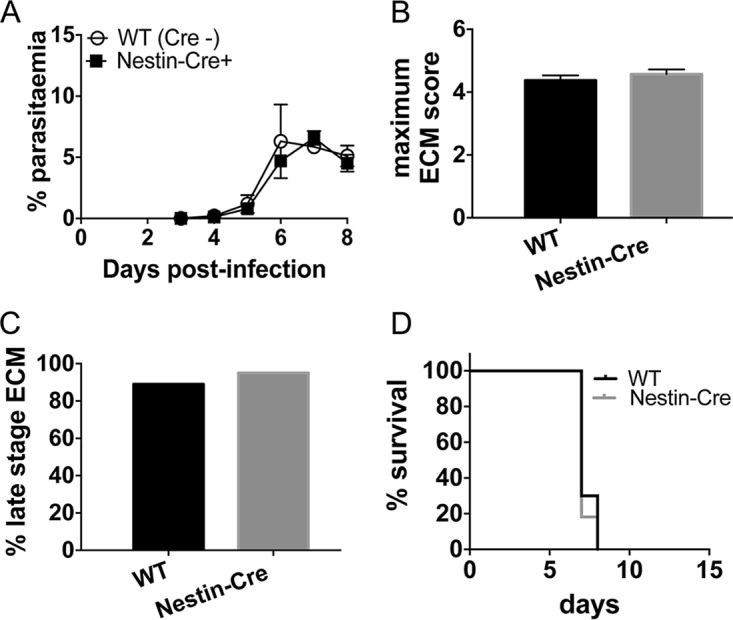
Experimental cerebral malaria (ECM) is a gamma interferon (IFN-γ)-dependent syndrome. However, whether IFN-γ promotes ECM through direct and synergistic targeting of multiple cell populations or by acting primarily on a specific responsive cell type is currently unknown. Here, using a panel of cell- and compartment-specific IFN-γ receptor 2 (IFN-γR2)-deficient mice, we show that IFN-γ causes ECM by signaling within both the hematopoietic and nonhematopoietic compartments. Mechanistically, hematopoietic and nonhematopoietic compartment-specific IFN-γR signaling exerts additive effects in orchestrating intracerebral inflammation, leading to the development of ECM. Surprisingly, mice with specific deletion of IFN-γR2 expression on myeloid cells, T cells, or neurons were completely susceptible to terminal ECM. Utilizing a reductionist system, we show that synergistic IFN-γ and tumor necrosis factor (TNF) stimulation promotes strong activation of brain blood vessel endothelial cells. Combined, our data show that within the hematopoietic compartment, IFN-γ causes ECM by acting redundantly or by targeting non-T cell or non-myeloid cell populations. Within the nonhematopoietic compartment, brain endothelial cells, but not neurons, may be the major target of IFN-γ leading to ECM development. Collectively, our data provide information on how IFN-γ mediates the development of cerebral pathology during malaria infection.
实验性脑型疟疾(ECM)是一种依赖γ干扰素(IFN-γ)的综合征。然而,IFN-γ是通过直接协同作用于多种细胞群体,还是主要作用于特定的反应性细胞类型来促进ECM的发生,目前尚不清楚。在此,我们使用一组细胞和特定隔室的γ干扰素受体2(IFN-γR2)缺陷小鼠,证明IFN-γ通过造血和非造血隔室内的信号传导导致ECM。从机制上讲,造血和非造血隔室特异性IFN-γR信号在协调脑内炎症方面发挥累加作用,从而导致ECM的发展。令人惊讶的是,在髓样细胞、T细胞或神经元上特异性缺失IFN-γR2表达的小鼠对晚期ECM完全易感。利用简化系统,我们证明协同的IFN-γ和肿瘤坏死因子(TNF)刺激可促进脑血管内皮细胞的强烈激活。综合来看,我们的数据表明,在造血隔室内,IFN-γ通过冗余作用或靶向非T细胞或非髓样细胞群体导致ECM。在非造血隔室内,脑内皮细胞而非神经元可能是IFN-γ导致ECM发展的主要靶点。总体而言,我们的数据提供了关于IFN-γ如何在疟疾感染期间介导脑部病理发展的信息。