Oncogenomic and Epigenetic Unit, Molecular Chemoprevention Group, Department of Research, Diagnosis and Innovative Technologies, Translational Research Area, Regina Elena National Cancer Institute, via Elio Chianesi 53, 00144 Rome, Italy.
Department of Oncology, Juravinski Cancer Center, McMaster University, Hamilton, ON L8S 4L8, Canada.
Int J Mol Sci. 2017 Sep 6;18(9):1913. doi: 10.3390/ijms18091913.
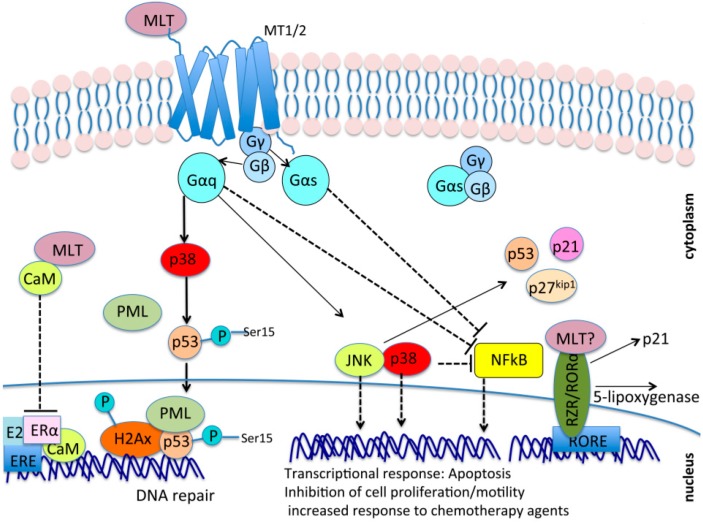
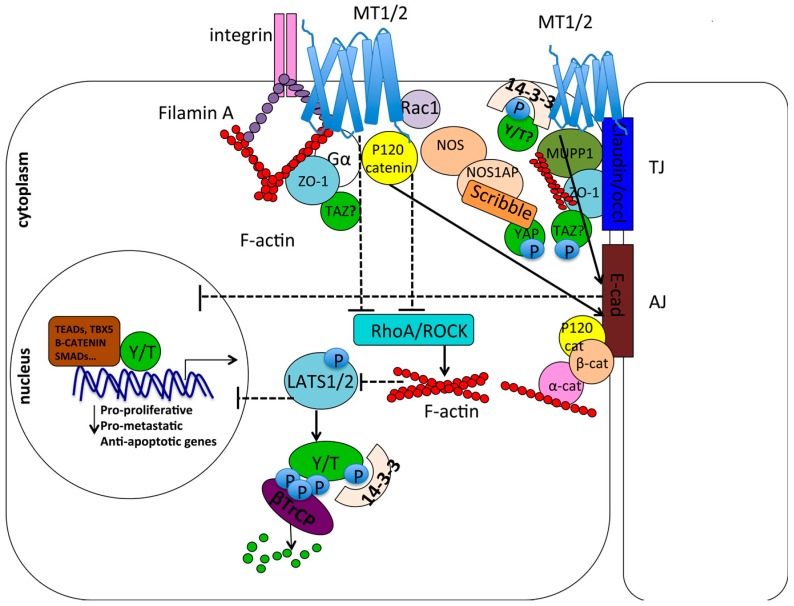
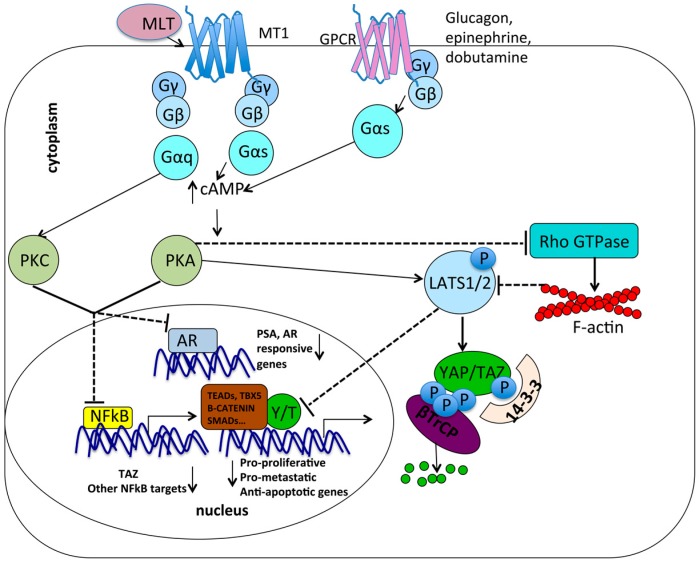
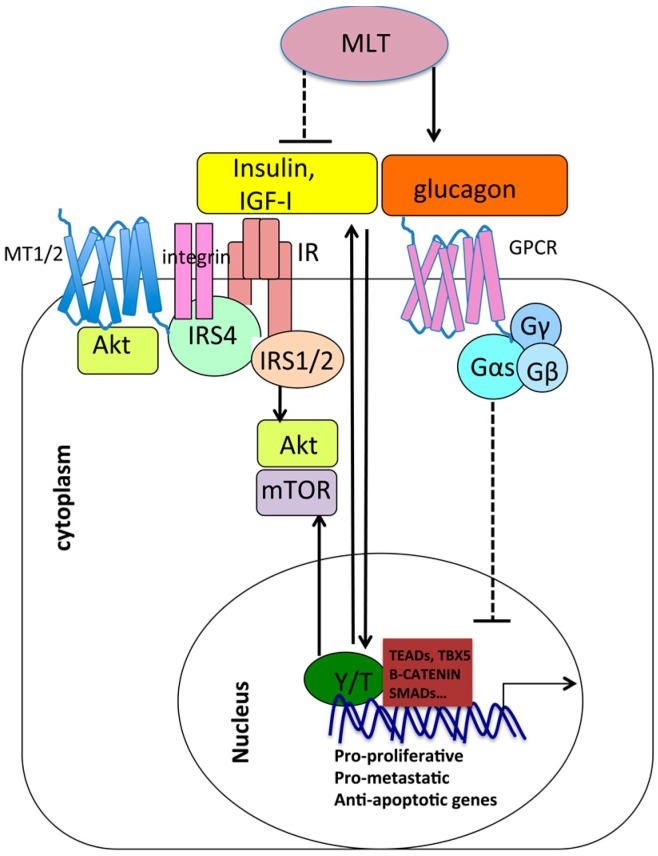
Melatonin is an indolic hormone that regulates a plethora of functions ranging from the regulation of circadian rhythms and antioxidant properties to the induction and maintenance of tumor suppressor pathways. It binds to specific receptors as well as to some cytosolic proteins, leading to several cellular signaling cascades. Recently, the involvement of melatonin in cancer insurgence and progression has clearly been demonstrated. In this review, we will first describe the structure and functions of melatonin and its receptors, and then discuss both molecular and epidemiological evidence on melatonin anticancer effects. Finally, we will shed light on potential cross-talk between melatonin signaling and the Hippo signaling pathway, along with the possible implications for cancer therapy.
褪黑素是一种吲哚类激素,调节着从昼夜节律调节到抗氧化特性,再到肿瘤抑制途径的诱导和维持等多种功能。它与特定的受体以及一些胞质蛋白结合,引发多种细胞信号级联反应。最近,褪黑素在癌症发生和进展中的作用已得到明确证实。在这篇综述中,我们将首先描述褪黑素及其受体的结构和功能,然后讨论褪黑素抗癌作用的分子和流行病学证据。最后,我们将探讨褪黑素信号与 Hippo 信号通路之间的潜在串扰及其对癌症治疗的可能影响。