Zhang Ya-Kun, Qu Yuan-Yuan, Lin Yan, Wu Xiao-Hui, Chen Hou-Zao, Wang Xu, Zhou Kai-Qiang, Wei Yun, Guo Fushen, Yao Cui-Fang, He Xia-Di, Liu Li-Xia, Yang Chen, Guan Zong-Yuan, Wang Shi-Dong, Zhao Jianyuan, Liu De-Pei, Zhao Shi-Min, Xu Wei
Obstetrics & Gynecology Hospital of Fudan University, State Key Lab of Genetic Engineering, Institutes of Biomedical Sciences and School of Life Sciences, Shanghai, 200011, China.
Key Laboratory of Reproduction Regulation of NPFPC, Collaborative Innovation Center for Genetics and Development, Shanghai, 200433, China.
Nat Commun. 2017 Sep 6;8(1):464. doi: 10.1038/s41467-017-00489-5.
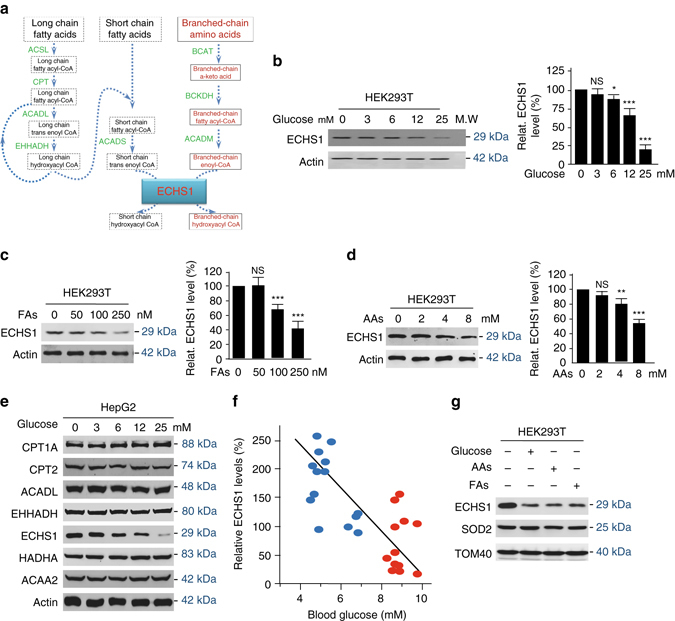
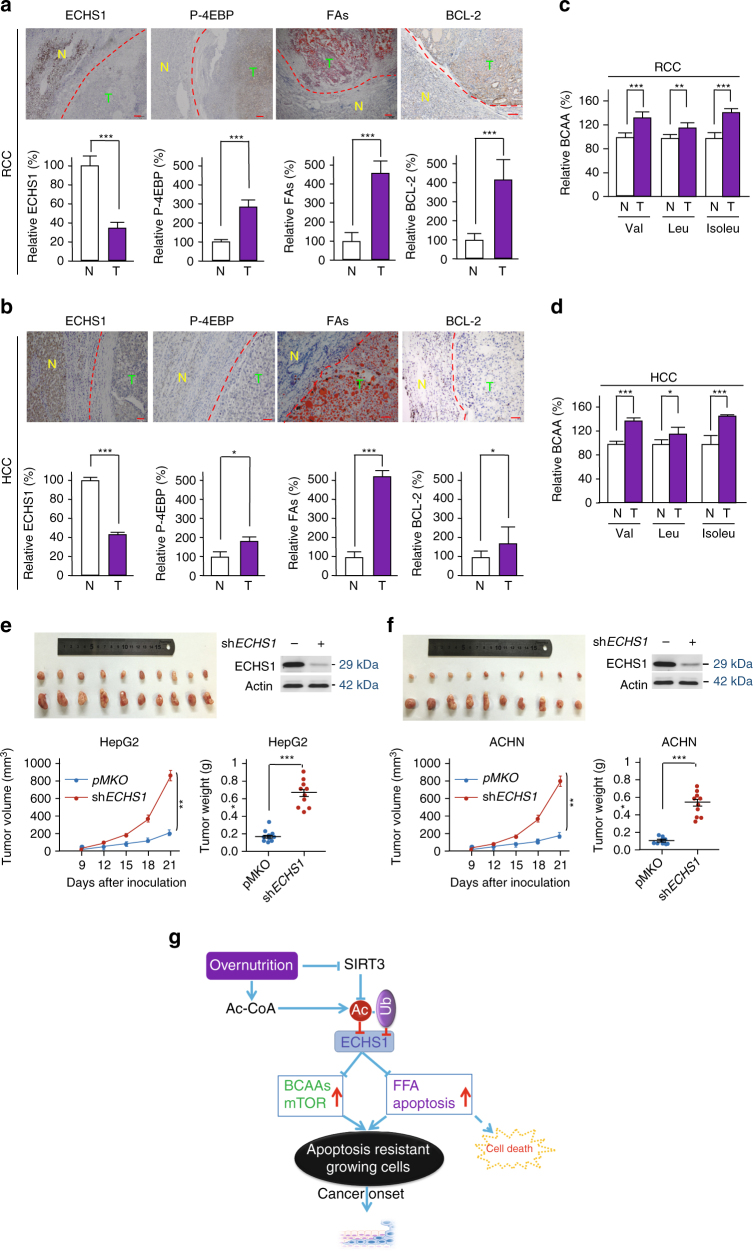
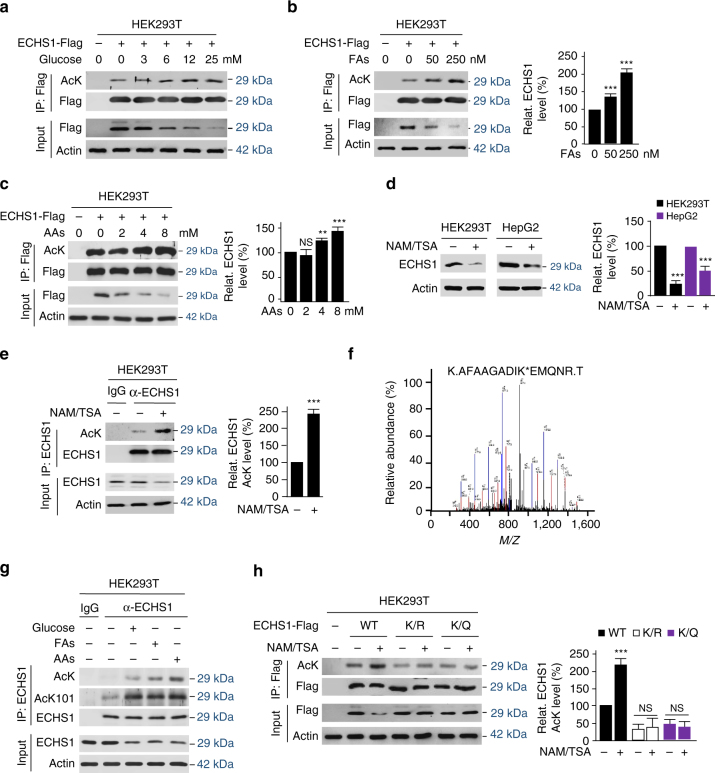
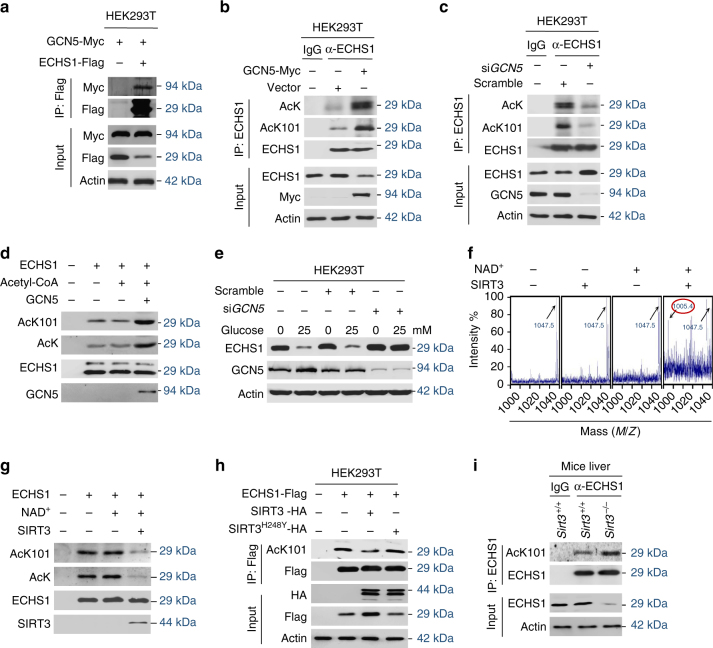
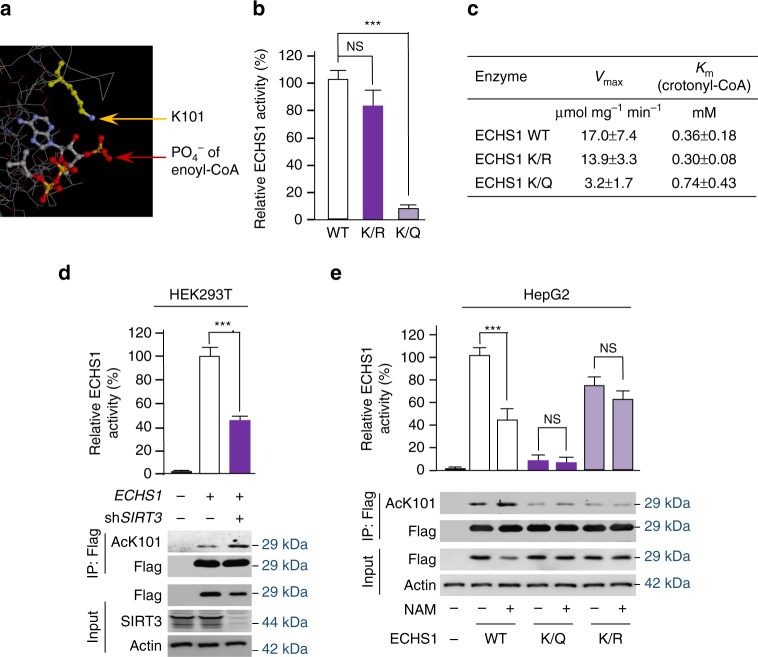
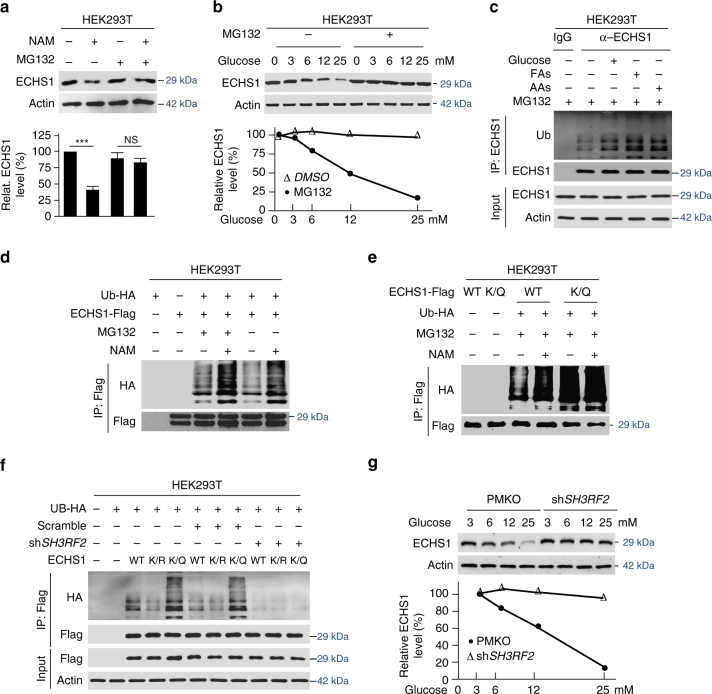
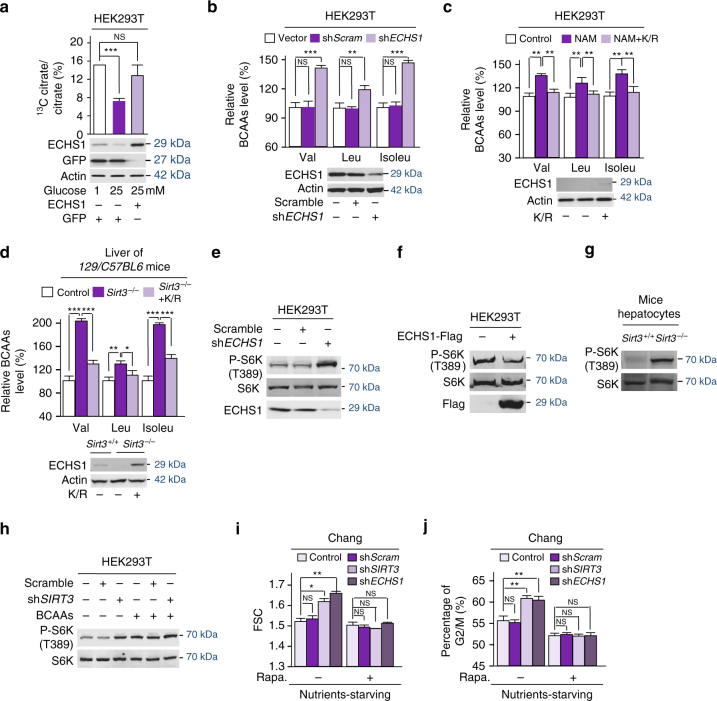
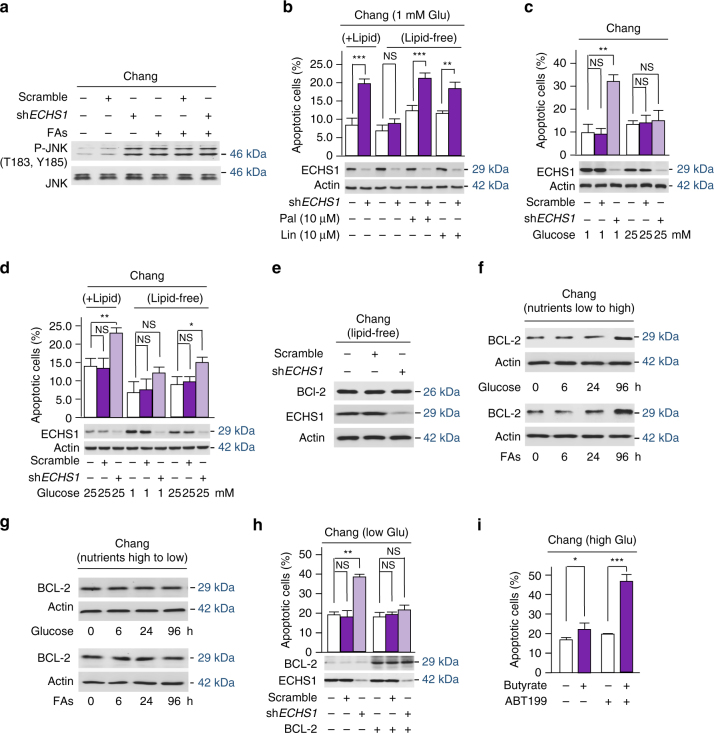
The oncogenic mechanisms of overnutrition, a confirmed independent cancer risk factor, remain poorly understood. Herein, we report that enoyl-CoA hydratase-1 (ECHS1), the enzyme involved in the oxidation of fatty acids (FAs) and branched-chain amino acids (BCAAs), senses nutrients and promotes mTOR activation and apoptotic resistance. Nutrients-promoted acetylation of lys of ECHS1 impedes ECHS1 activity by impairing enoyl-CoA binding, promoting ECHS1 degradation and blocking its mitochondrial translocation through inducing ubiquitination. As a result, nutrients induce the accumulation of BCAAs and FAs that activate mTOR signaling and stimulate apoptosis, respectively. The latter was overcome by selection of BCL-2 overexpressing cells under overnutrition conditions. The oncogenic effects of nutrients were reversed by SIRT3, which deacetylates lys acetylation. Severely decreased ECHS1, accumulation of BCAAs and FAs, activation of mTOR and overexpression of BCL-2 were observed in cancer tissues from metabolic organs. Our results identified ECHS1, a nutrients-sensing protein that transforms nutrient signals into oncogenic signals.Overnutrition has been linked to increased risk of cancer. Here, the authors show that exceeding nutrients suppress Enoyl-CoA hydratase-1 (ECHS1) activity by inducing its acetylation resulting in accumulation of fatty acids and branched-chain amino acids and oncogenic mTOR activation.
营养过剩作为一种已被证实的独立癌症风险因素,其致癌机制仍知之甚少。在此,我们报告烯酰辅酶A水合酶1(ECHS1),一种参与脂肪酸(FAs)和支链氨基酸(BCAAs)氧化的酶,可感知营养物质并促进mTOR激活和凋亡抗性。营养物质促进的ECHS1赖氨酸乙酰化通过损害烯酰辅酶A结合、促进ECHS1降解以及通过诱导泛素化阻断其线粒体易位来阻碍ECHS1活性。结果,营养物质诱导BCAAs和FAs的积累,它们分别激活mTOR信号传导和刺激细胞凋亡。在营养过剩条件下选择过表达BCL-2的细胞可克服后者。营养物质的致癌作用可被使赖氨酸去乙酰化的SIRT3逆转。在来自代谢器官的癌组织中观察到ECHS1严重减少、BCAAs和FAs积累、mTOR激活以及BCL-2过表达。我们的结果确定了ECHS1,一种将营养信号转化为致癌信号的营养感知蛋白。营养过剩与癌症风险增加有关。在此,作者表明过量营养物质通过诱导烯酰辅酶A水合酶1(ECHS1)乙酰化来抑制其活性,导致脂肪酸和支链氨基酸积累以及致癌性mTOR激活。