Ondoa Pascale, van der Broek Ankie, Jansen Christel, de Bruijn Hilde, Schultsz Constance
Department of Global Health, Amsterdam Institute for Global Health and Development, Academic Medical Center, University of Amsterdam, Amsterdam, the Netherlands.
Royal Tropical Institute, Amsterdam, the Netherlands.
Afr J Lab Med. 2017 Jul 31;6(1):578. doi: 10.4102/ajlm.v6i1.578. eCollection 2017.
The 2008 Maputo Declaration calls for the development of dedicated national laboratory policies and strategic plans supporting the enhancement of laboratory services in response to the long-lasting relegation of medical laboratory systems in sub-Saharan Africa.
This study describes the extent to which laboratories are addressed in the national health policies and plans created directly following the 2008 momentum for laboratory strengthening.
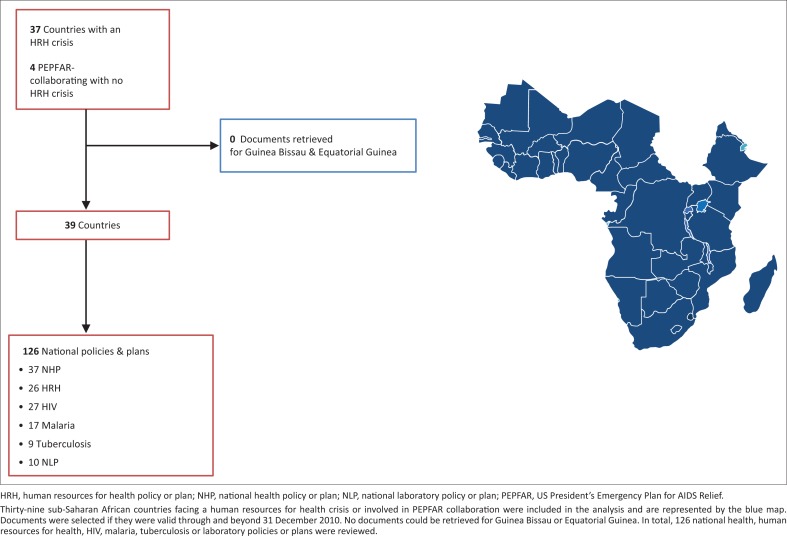
National health policies and plans from 39 sub-Saharan African countries, valid throughout and beyond 31 December 2010 were collected in March 2012 and analysed during 2013.
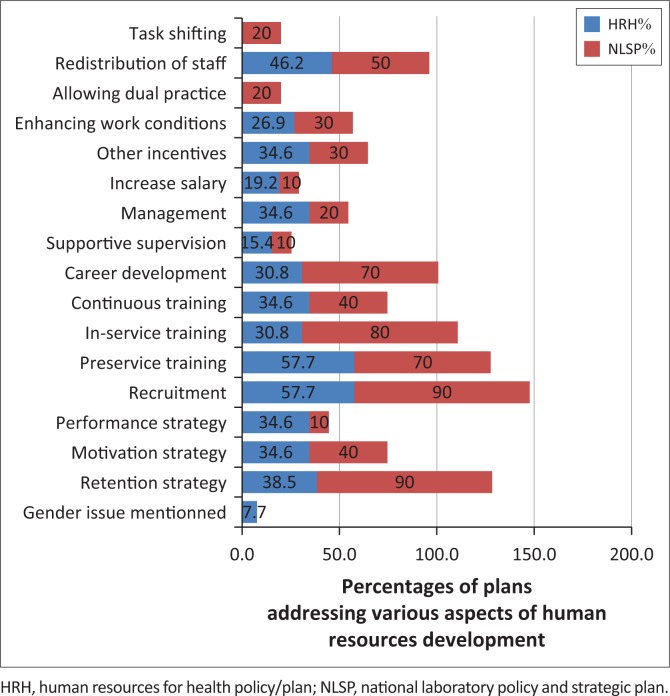
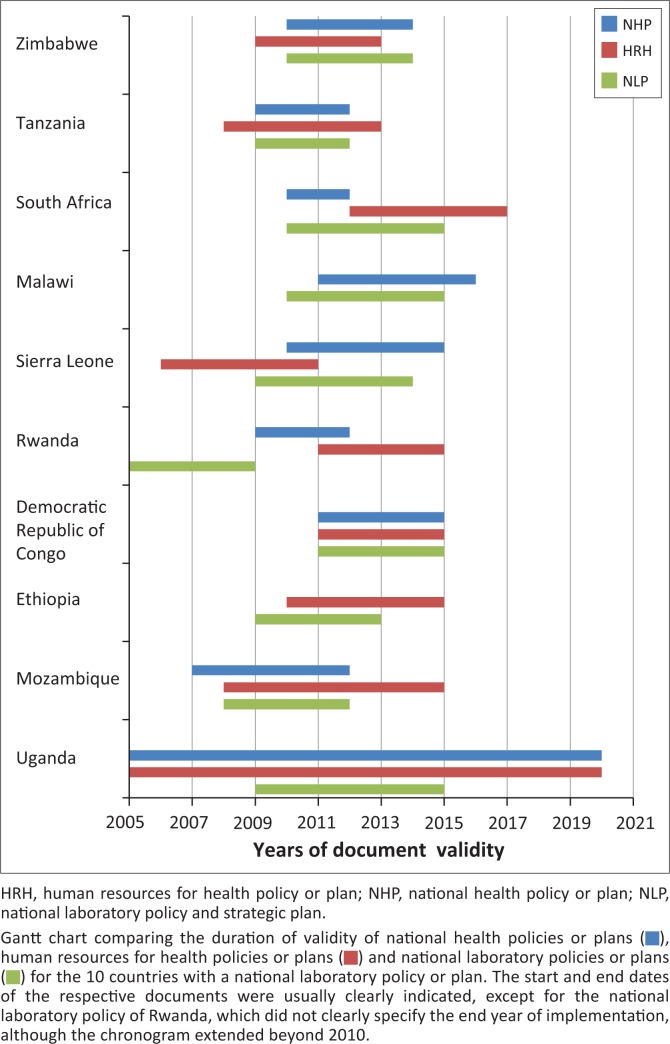
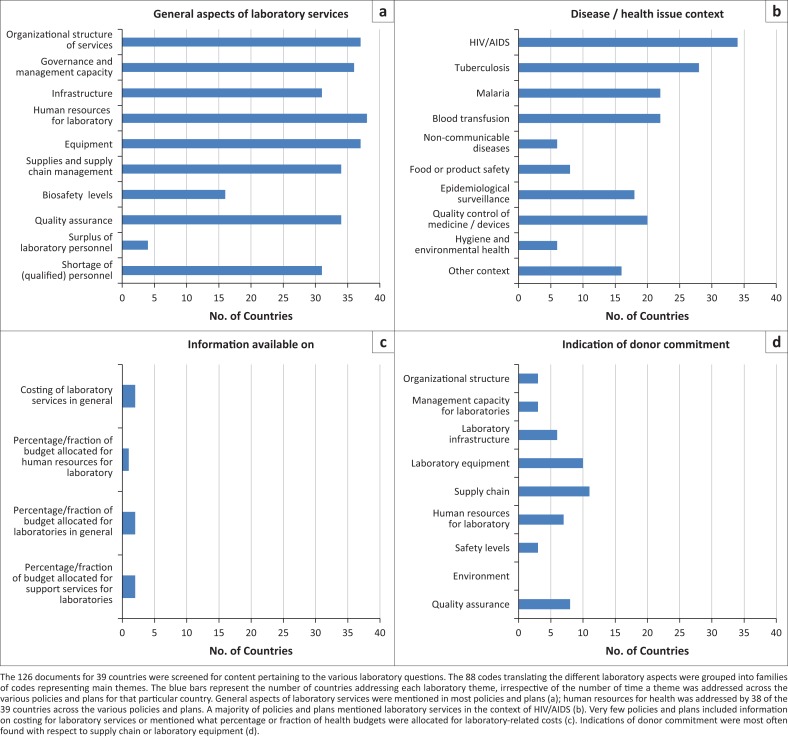
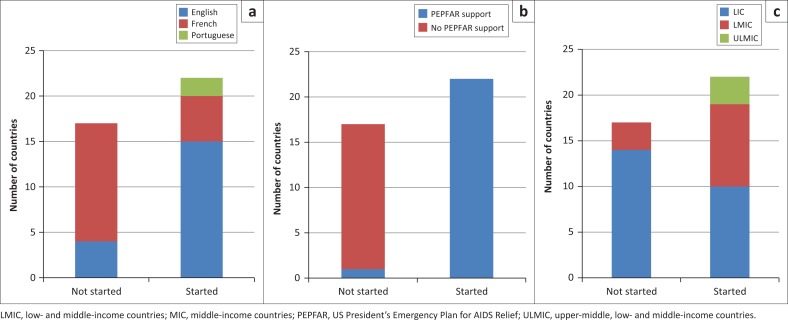
Laboratories were addressed by all countries. Human resources were the most addressed topic (38/39) and finances and budget were the least addressed (< 5/39). Countries lagging behind in national laboratory strategic planning at the end of 2013 (17/39) were more likely to be francophone countries located in West-Central Africa (13/17) and have historically low HIV prevalence. The most common gaps anticipated to compromise the implementation of the policies and plans were the disconnect between policies and plans, under-developed finance sections and monitoring and evaluating frameworks, absence of points of reference to define gaps and shortages, and inappropriate governance structure.
The availability of laboratory policy and plan implementation can be improved by strictly applying a more standardised methodology for policy development, using harmonised norms to set targets for improvement and intensifying the establishment of directorates of laboratory services directly under the authority of Ministries of Health. Horizontal programmes such as the Global Health Security Agenda could provide the necessary impulse to take the least advanced countries on board.
2008年《马普托宣言》呼吁制定专门的国家实验室政策和战略计划,以支持加强实验室服务,应对撒哈拉以南非洲地区医学实验室系统长期被边缘化的状况。
本研究描述了在2008年实验室加强行动之后直接制定的国家卫生政策和计划中,实验室相关内容的涉及程度。
2012年3月收集了39个撒哈拉以南非洲国家在2010年12月31日及以后有效的国家卫生政策和计划,并于2013年进行分析。
所有国家都涉及了实验室相关内容。人力资源是涉及最多的主题(38/39),财务和预算涉及最少(<5/39)。在2013年底国家实验室战略规划方面落后的国家(17/39)更有可能是位于中西部非洲的法语国家(13/17),且历史上艾滋病毒流行率较低。预计会影响政策和计划实施的最常见差距包括政策与计划脱节、财务部分和监测与评估框架不完善、缺乏界定差距和短缺的参照点以及治理结构不当。
通过严格应用更标准化的政策制定方法、使用统一规范设定改进目标以及加强直接隶属于卫生部的实验室服务管理局的设立,可以提高实验室政策和计划实施的可行性。诸如全球卫生安全议程等横向项目可以提供必要的推动力,使最不发达国家参与进来。