Sim Sheina B, Ruiz-Arce Raul, Barr Norman B, Geib Scott M
USDA-ARS Daniel K. Inouye U.S. Pacific Basin Agricultural Research Center, Tropical Crop and Commodity Protection Research Unit, Hilo, Hawaii 96720.
Center for Plant Health Science and Technology, Mission Laboratory, USDA-APHIS, Edinburg, Texas 78541.
G3 (Bethesda). 2017 Nov 6;7(11):3637-3647. doi: 10.1534/g3.117.300169.
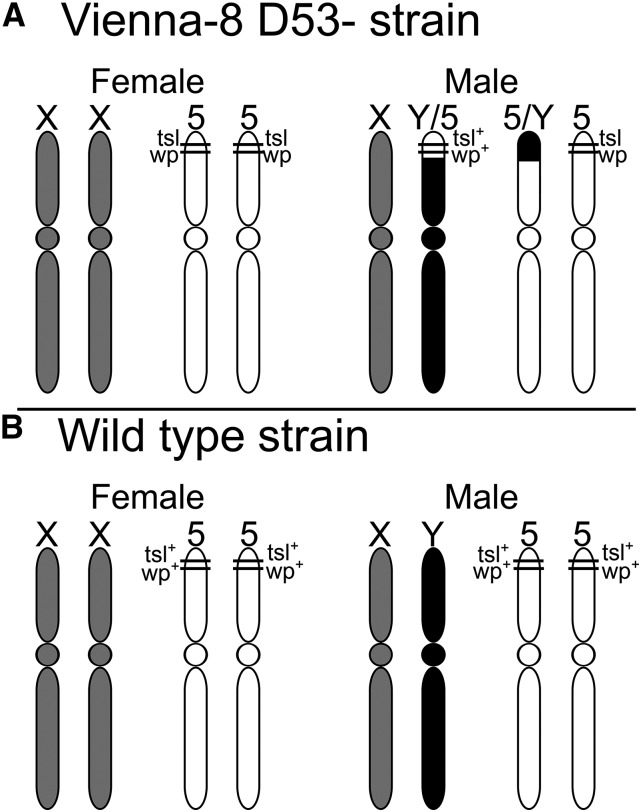
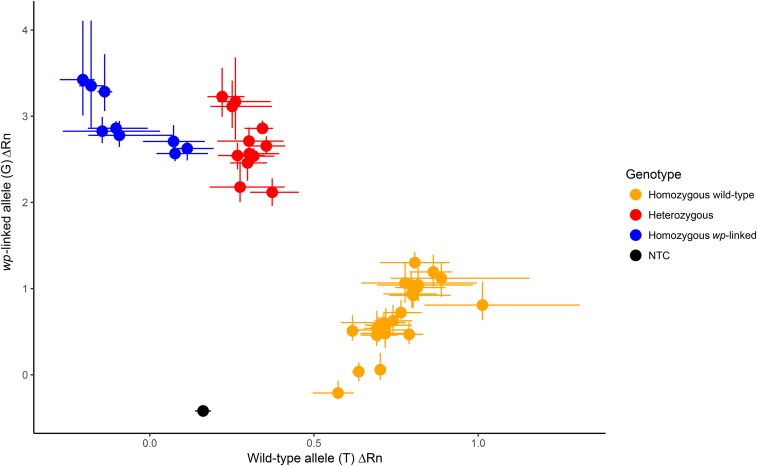
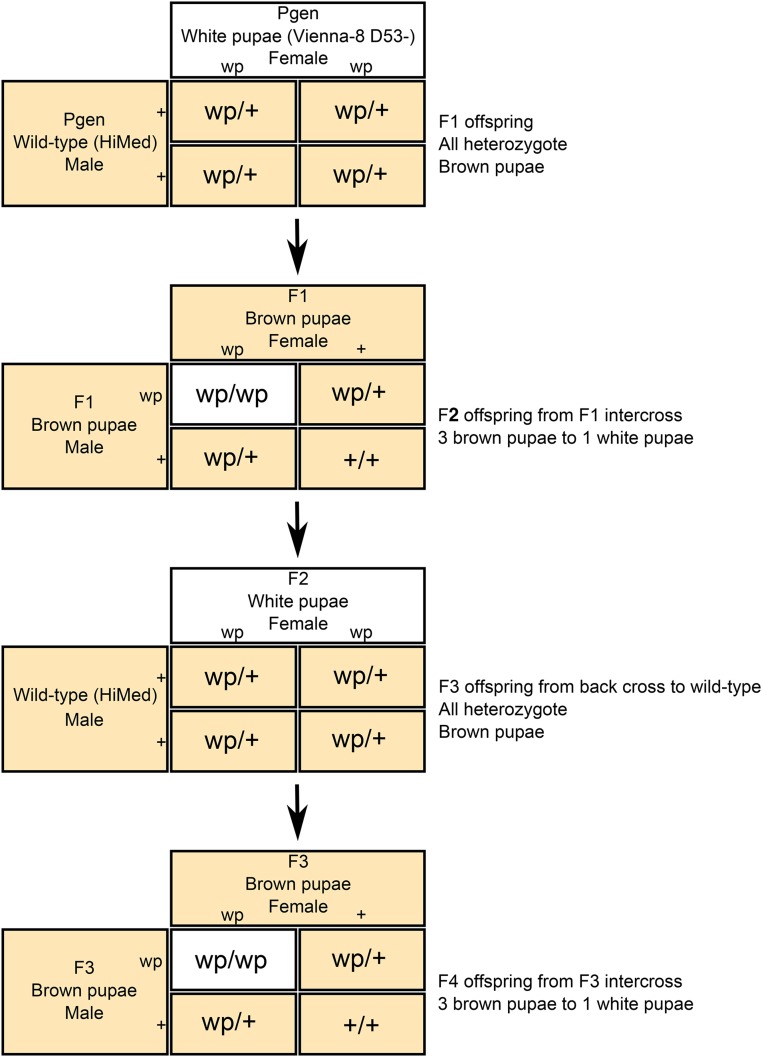
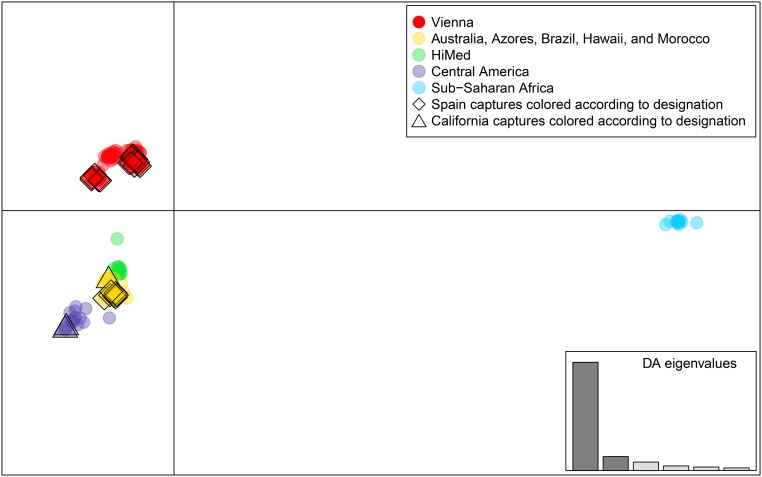
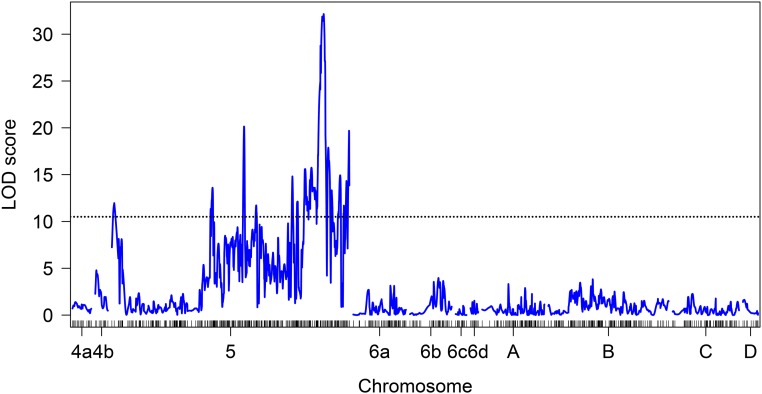
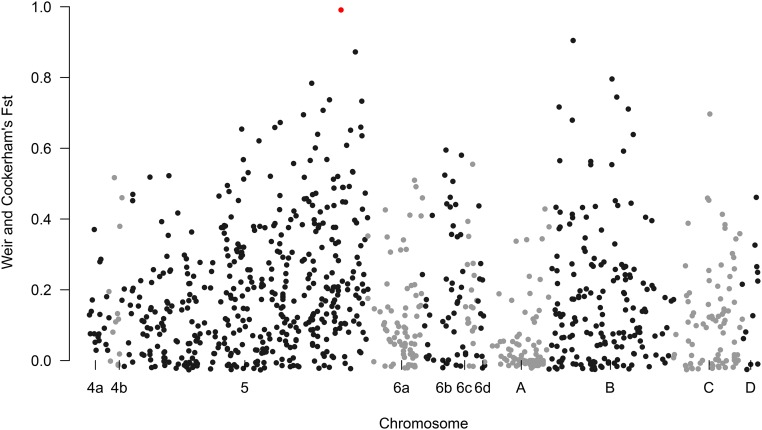
The Mediterranean fruit fly (Wiedemann) is a destructive agricultural pest and the subject of exclusion efforts in many countries. Suppression and eradication of invasive populations to prevent its establishment is facilitated by the release of sterile males using the sterile insect technique (SIT). In SIT release areas, it is critical to accurately discriminate between released sterile males and wild individuals to detect extremely rare invasive individuals in areas inundated with millions of sterile male flies. Current methods for discrimination exist but are not always definitive, and a more reliable method is necessary. To address this, we developed a genotyping assay that can be used to discriminate between sterile males from the SIT strain and wild individuals. This was achieved by identifying single nucleotide polymorphisms (SNPs) linked to the maintained traits that facilitate male-only releases, white pupae () and temperature-sensitive lethal (), via QTL mapping. This resulted in the identification of one SNP that was in near-perfect linkage disequilibrium between genotype at this locus and the pupal color phenotype. Medfly from many SIT colonies and wild individuals from across its geographic range were genotyped for this locus, and results show its consistency in identifying SIT flies. In addition, linkage and QTL mapping of and have larger impacts as they can serve as foundational tools to identify the genetic basis of traits that facilitate the separation of males from female flies, which can be used to develop SIT programs in related species.
地中海实蝇(维德曼)是一种具有破坏性的农业害虫,也是许多国家防控工作的重点对象。利用不育昆虫技术(SIT)释放不育雄虫有助于抑制和根除入侵种群,防止其定殖。在SIT释放区域,准确区分释放的不育雄虫和野生个体对于在数百万不育雄虫充斥的区域中检测极其罕见的入侵个体至关重要。目前存在一些鉴别方法,但并不总是具有决定性,因此需要一种更可靠的方法。为了解决这个问题,我们开发了一种基因分型检测方法,可用于区分SIT品系的不育雄虫和野生个体。这是通过数量性状基因座(QTL)定位,识别与有助于只释放雄虫的保持性状(白蛹()和温度敏感致死())相关的单核苷酸多态性(SNP)来实现的。这导致鉴定出一个SNP,该位点的基因型与蛹色表型之间几乎完全处于连锁不平衡状态。对许多SIT种群的地中海实蝇以及来自其地理分布范围内的野生个体进行了该位点的基因分型,结果表明其在识别SIT果蝇方面具有一致性。此外,对和的连锁和QTL定位具有更大的影响,因为它们可以作为基础工具来识别有助于将雄蝇与雌蝇分离的性状的遗传基础,可用于开发相关物种的SIT计划。