Institute for Molecular Infection Biology, University of Würzburg, Würzburg, Germany.
Research Center for Infectious Diseases, University of Würzburg, Würzburg, Germany.
Elife. 2017 Sep 12;6:e28023. doi: 10.7554/eLife.28023.
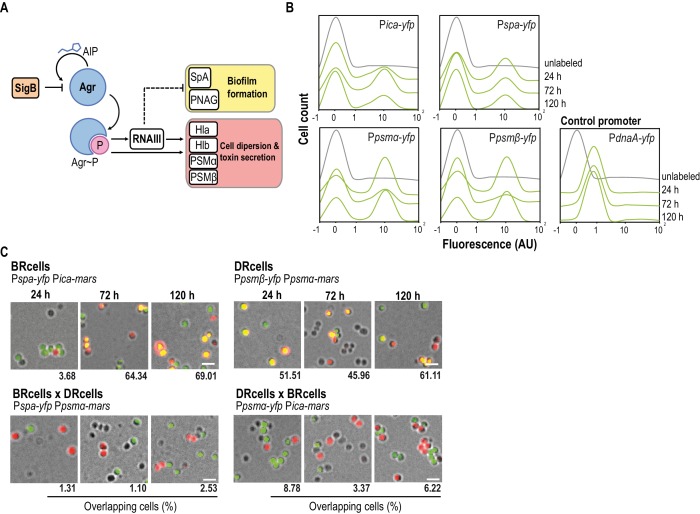
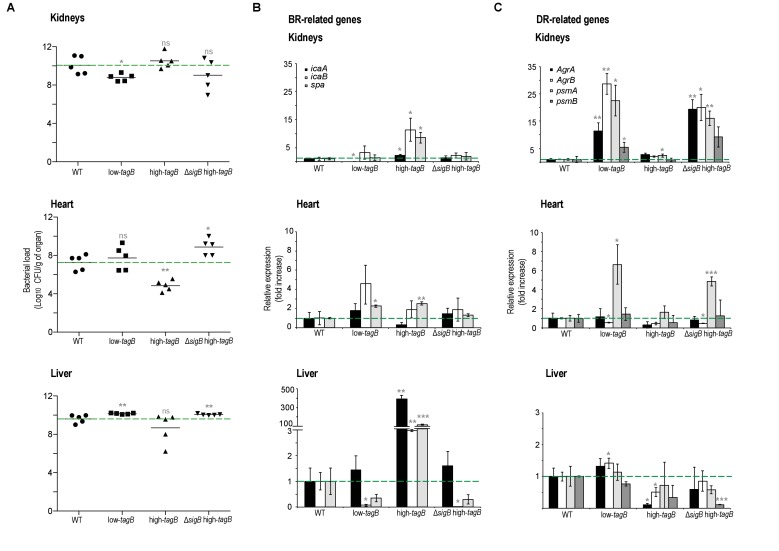
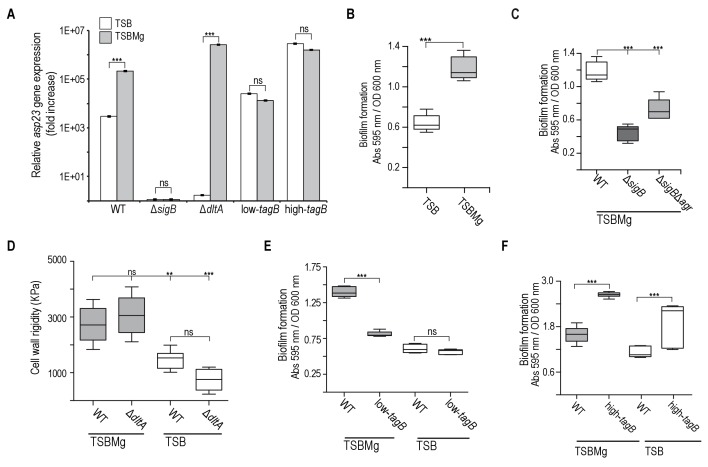
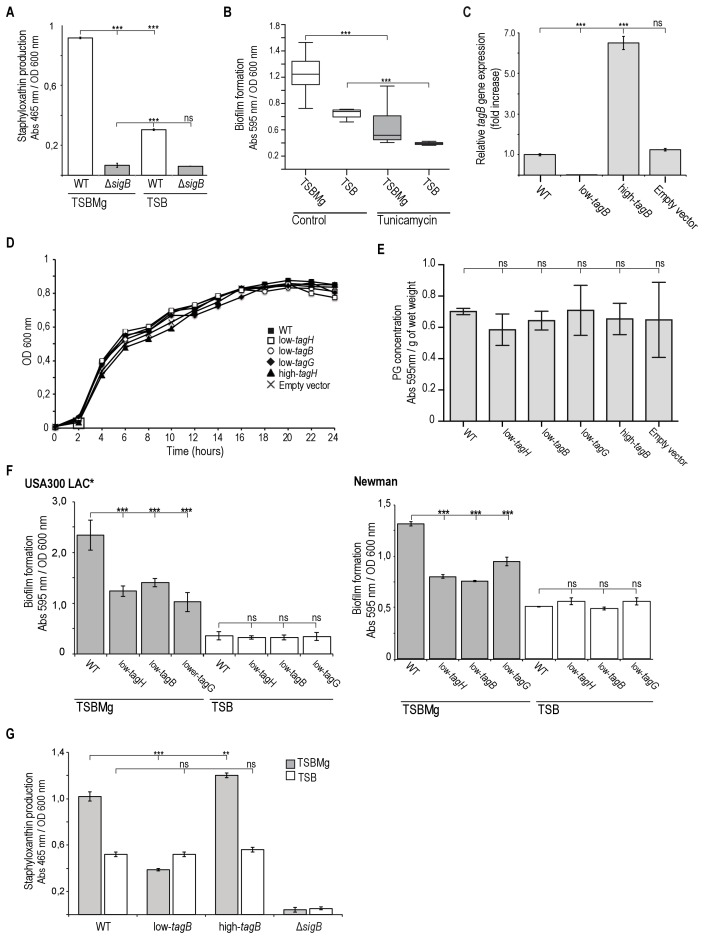
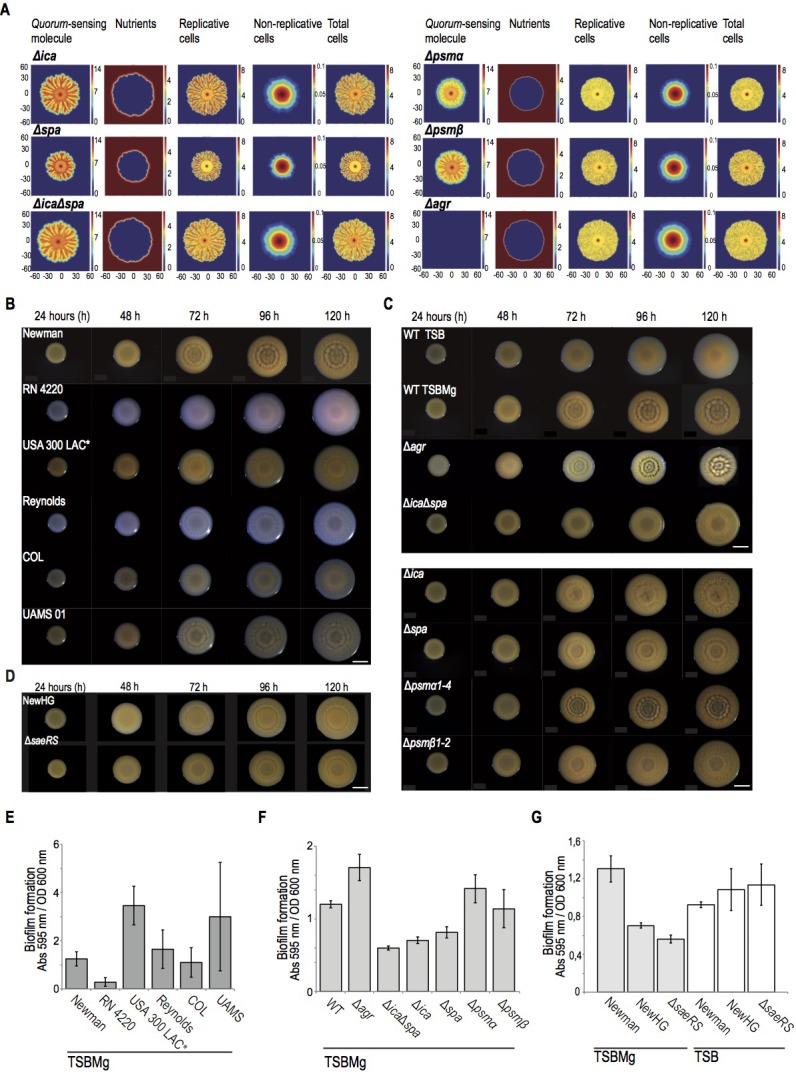
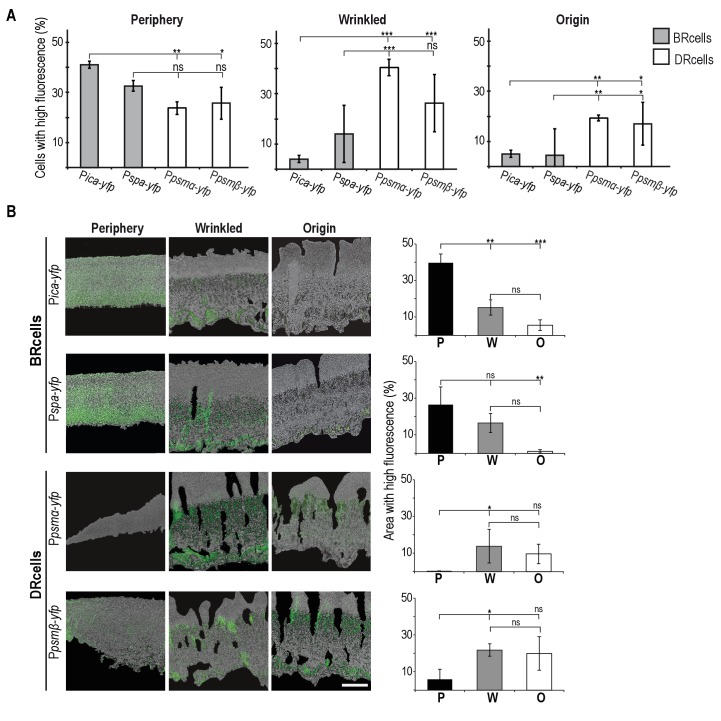
A central question to biology is how pathogenic bacteria initiate acute or chronic infections. Here we describe a genetic program for cell-fate decision in the opportunistic human pathogen , which generates the phenotypic bifurcation of the cells into two genetically identical but different cell types during the course of an infection. Whereas one cell type promotes the formation of biofilms that contribute to chronic infections, the second type is planktonic and produces the toxins that contribute to acute bacteremia. We identified a bimodal switch in the quorum sensing system that antagonistically regulates the differentiation of these two physiologically distinct cell types. We found that extracellular signals affect the behavior of the bimodal switch and modify the size of the specialized subpopulations in specific colonization niches. For instance, magnesium-enriched colonization niches causes magnesium binding to teichoic acids and increases bacterial cell wall rigidity. This signal triggers a genetic program that ultimately downregulates the bimodal switch. Colonization niches with different magnesium concentrations influence the bimodal system activity, which defines a distinct ratio between these subpopulations; this in turn leads to distinct infection outcomes in vitro and in an in vivo murine infection model. Cell differentiation generates physiological heterogeneity in clonal bacterial infections and helps to determine the distinct infection types.
生物学的一个核心问题是,病原细菌如何引发急性或慢性感染。在这里,我们描述了一种机会性病原体细胞命运决定的遗传程序,该程序导致细胞在感染过程中发生表型二分,分为两种遗传上相同但不同的细胞类型。一种细胞类型促进生物膜的形成,从而导致慢性感染,而第二种细胞类型则是浮游的,并产生导致急性菌血症的毒素。我们发现,群体感应系统中的双模态开关拮抗调节这两种生理上不同的细胞类型的分化。我们发现,细胞外信号会影响双模态开关的行为,并在特定定植小生境中改变专门亚群的大小。例如,富含镁的定植小生境导致镁与磷壁酸结合,增加细菌细胞壁的刚性。这种信号触发了一个遗传程序,最终下调双模态开关。具有不同镁浓度的定植小生境影响双模态系统的活性,从而定义了这些亚群之间的不同比例;这反过来又导致体外和体内小鼠感染模型中不同的感染结果。细胞分化在克隆细菌感染中产生生理异质性,并有助于确定不同的感染类型。