Spottiswoode Natasha, Armitage Andrew E, Williams Andrew R, Fyfe Alex J, Biswas Sumi, Hodgson Susanne H, Llewellyn David, Choudhary Prateek, Draper Simon J, Duffy Patrick E, Drakesmith Hal
MRC Human Immunology Unit, MRC Weatherall Institute of Molecular Medicine, University of Oxford, John Radcliffe Hospital, Oxford, United Kingdom.
Laboratory of Malaria Immunology & Vaccinology, NIAID, NIH, Bethesda, Maryland, USA.
Infect Immun. 2017 Nov 17;85(12). doi: 10.1128/IAI.00191-17. Print 2017 Dec.
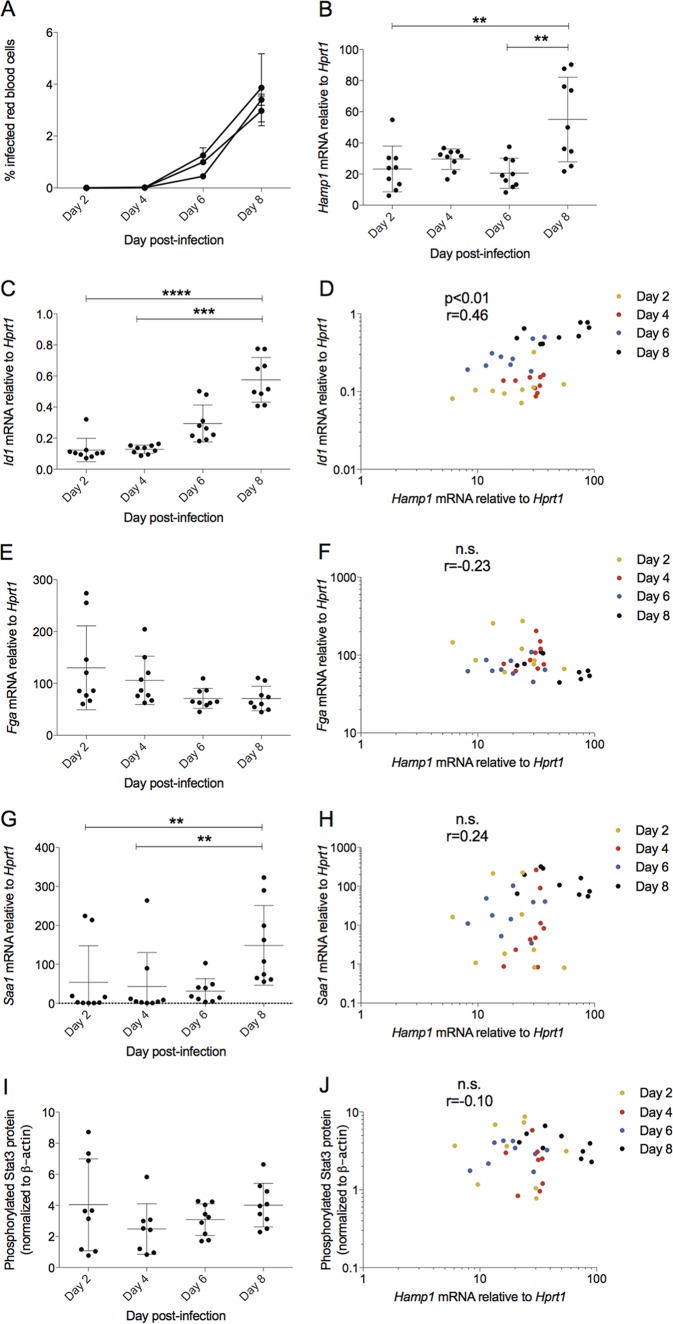
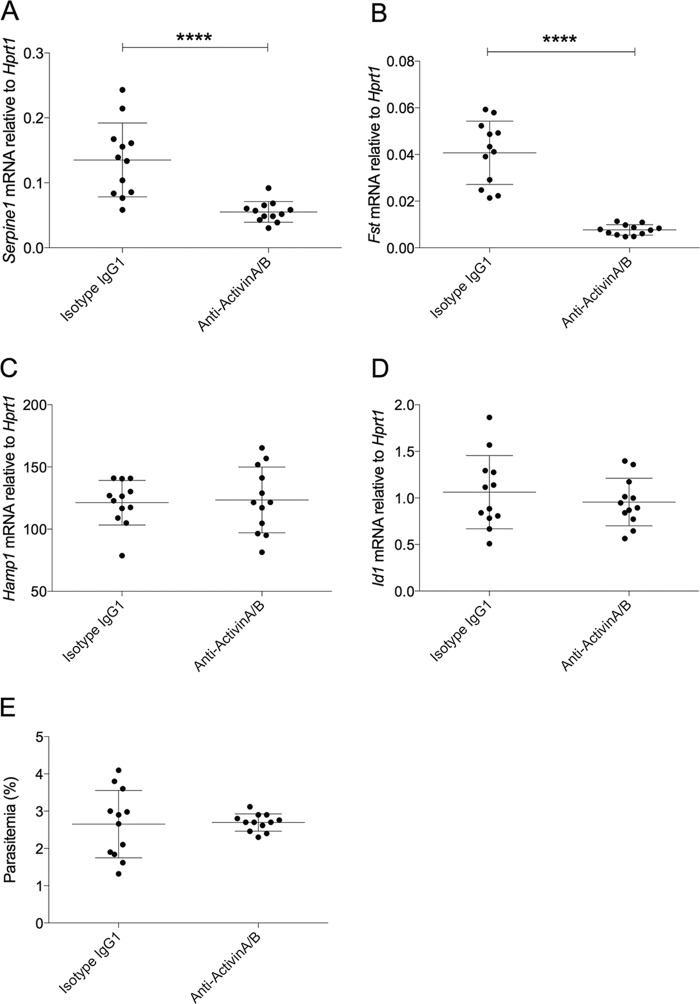
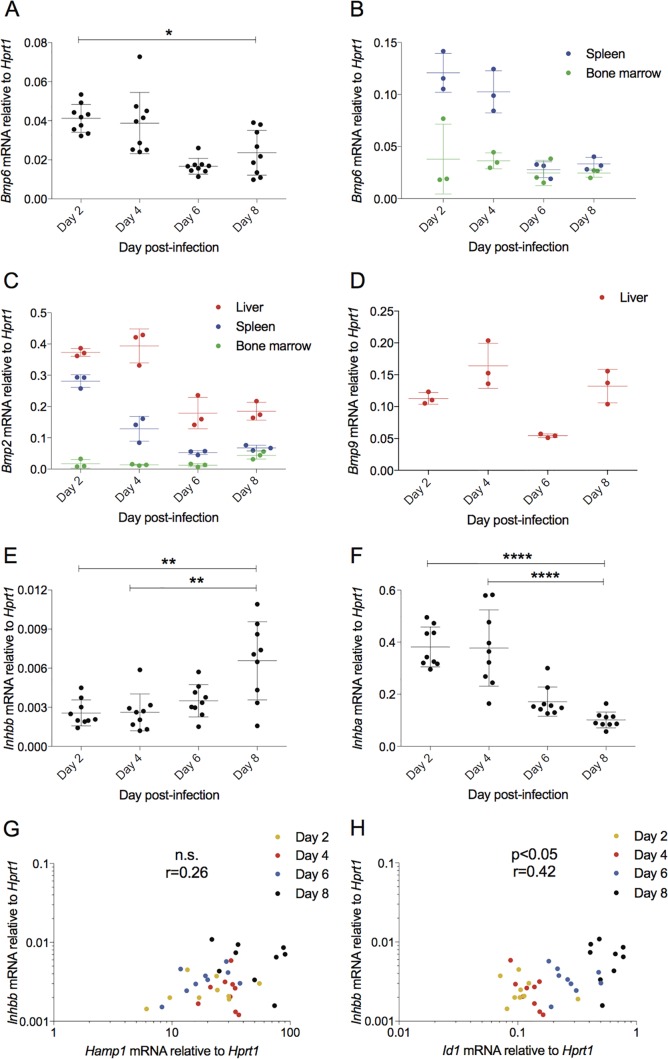
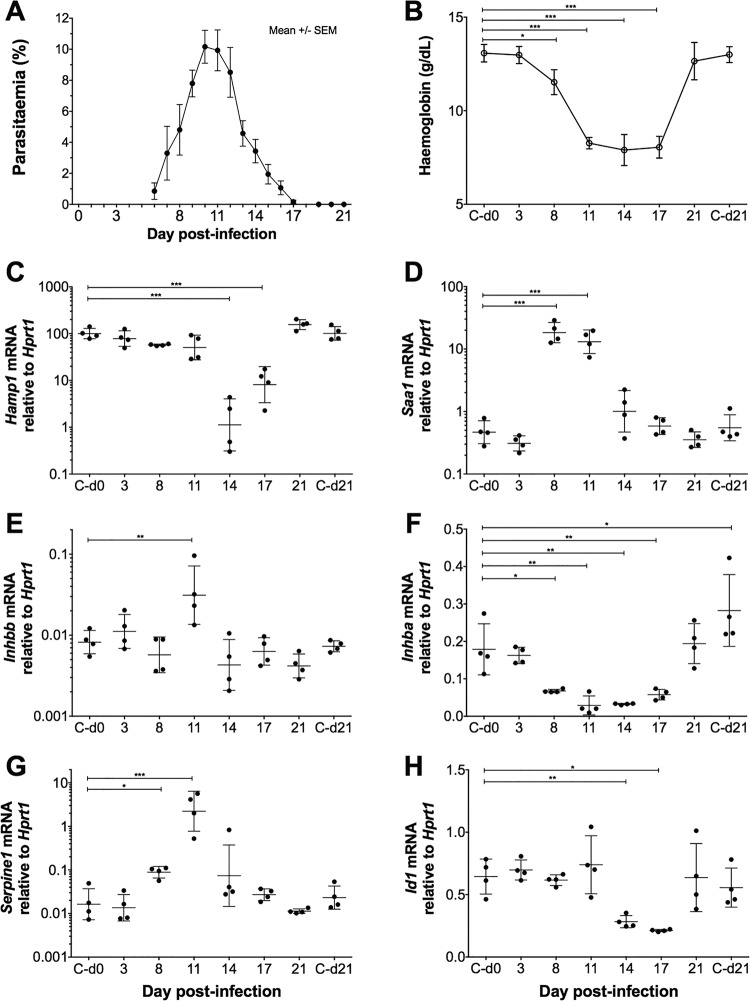
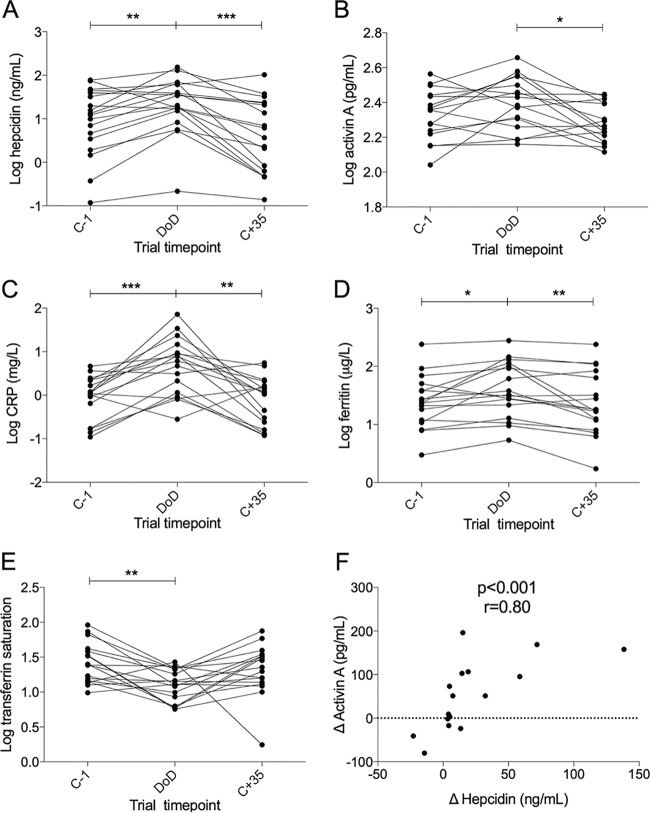
Epidemiological observations have linked increased host iron with malaria susceptibility, and perturbed iron handling has been hypothesized to contribute to the potentially life-threatening anemia that may accompany blood-stage malaria infection. To improve our understanding of these relationships, we examined the pathways involved in regulation of the master controller of iron metabolism, the hormone hepcidin, in malaria infection. We show that hepcidin upregulation in murine malaria infection was accompanied by changes in expression of bone morphogenetic protein (BMP)/sons of mothers against decapentaplegic (SMAD) pathway target genes, a key pathway involved in hepcidin regulation. We therefore investigated known agonists of the BMP/SMAD pathway and found that gene expression was not increased in infection. In contrast, activin B, which can signal through the BMP/SMAD pathway and has been associated with increased hepcidin during inflammation, was upregulated in the livers of -infected mice; hepatic activin B was also upregulated at peak parasitemia during infection with Concentrations of the closely related protein activin A increased in parallel with hepcidin in serum from malaria-naive volunteers infected in controlled human malaria infection (CHMI) clinical trials. However, antibody-mediated neutralization of activin activity during murine malaria infection did not affect hepcidin expression, suggesting that these proteins do not stimulate hepcidin upregulation directly. In conclusion, we present evidence that the BMP/SMAD signaling pathway is perturbed in malaria infection but that activins, although raised in malaria infection, may not have a critical role in hepcidin upregulation in this setting.
流行病学观察表明,宿主铁含量增加与疟疾易感性相关,并且据推测,铁代谢紊乱会导致血行期疟疾感染可能伴随的潜在致命性贫血。为了更好地理解这些关系,我们研究了疟疾感染中铁代谢主调控因子——激素铁调素的调控途径。我们发现,小鼠疟疾感染中铁调素上调伴随着骨形态发生蛋白(BMP)/抗五聚体麻痹蛋白母亲之子(SMAD)信号通路靶基因表达的变化,这是参与铁调素调控的关键信号通路。因此,我们研究了BMP/SMAD信号通路的已知激动剂,发现其基因表达在感染中并未增加。相反,激活素B可通过BMP/SMAD信号通路传导信号,且在炎症期间与铁调素增加有关,在感染疟原虫的小鼠肝脏中上调;在感染疟原虫期间,肝激活素B在寄生虫血症高峰期也上调。在受控人类疟疾感染(CHMI)临床试验中感染疟原虫的未感染疟疾志愿者血清中,与激活素B密切相关的蛋白激活素A的浓度与铁调素平行增加。然而,在小鼠疟疾感染期间,抗体介导的激活素活性中和并未影响铁调素表达,这表明这些蛋白可能不会直接刺激铁调素上调。总之,我们提供的证据表明,BMP/SMAD信号通路在疟疾感染中受到干扰,但激活素虽然在疟疾感染中升高,在这种情况下可能对铁调素上调没有关键作用。