Ciarlo Eleonora, Heinonen Tytti, Théroude Charlotte, Herderschee Jacobus, Mombelli Matteo, Lugrin Jérôme, Pfefferlé Marc, Tyrrell Beatrice, Lensch Sarah, Acha-Orbea Hans, Le Roy Didier, Auwerx Johan, Roger Thierry
Infectious Diseases Service, Department of Medicine, Lausanne University Hospital, Epalinges, Switzerland.
Department of Biochemistry, University of Lausanne, Epalinges, Switzerland.
Front Immunol. 2017 Aug 28;8:1037. doi: 10.3389/fimmu.2017.01037. eCollection 2017.
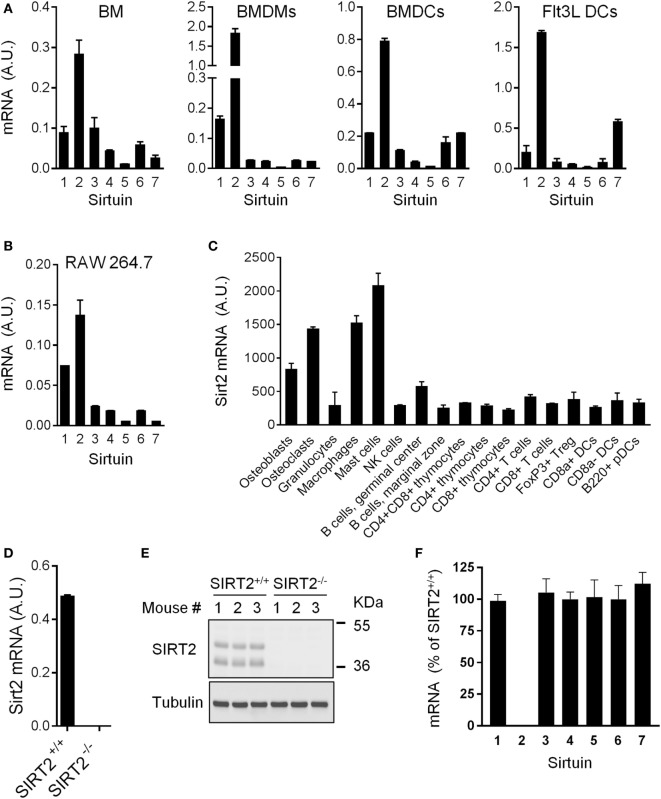
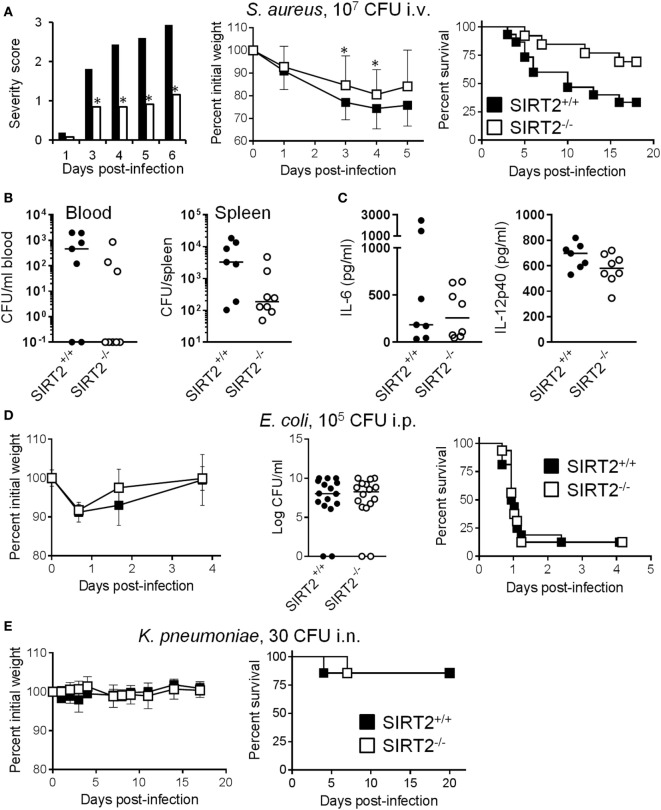
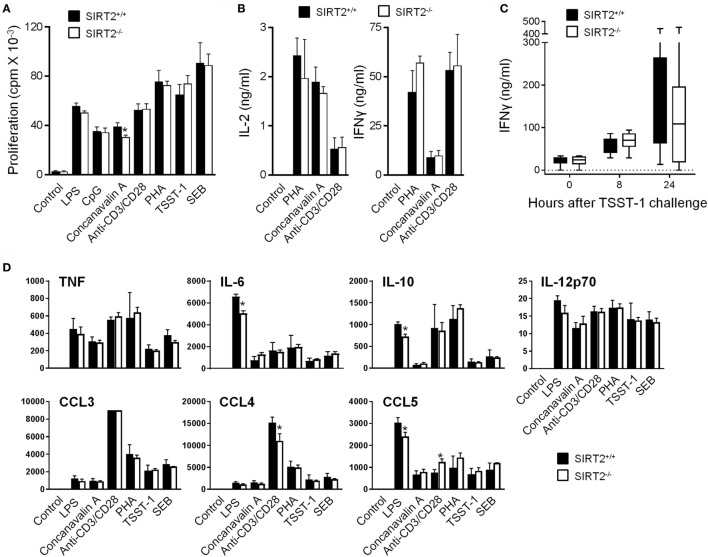
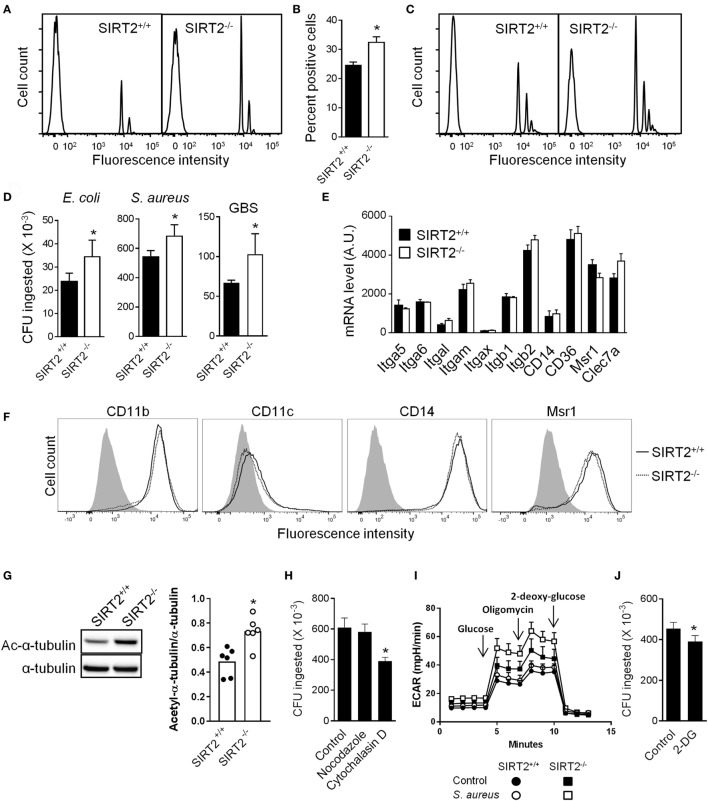
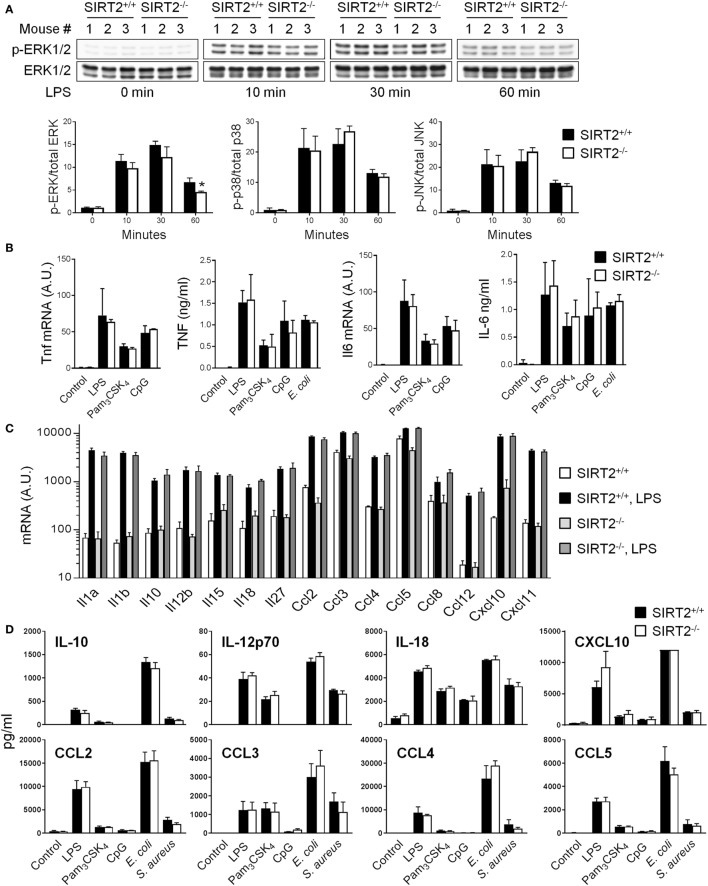
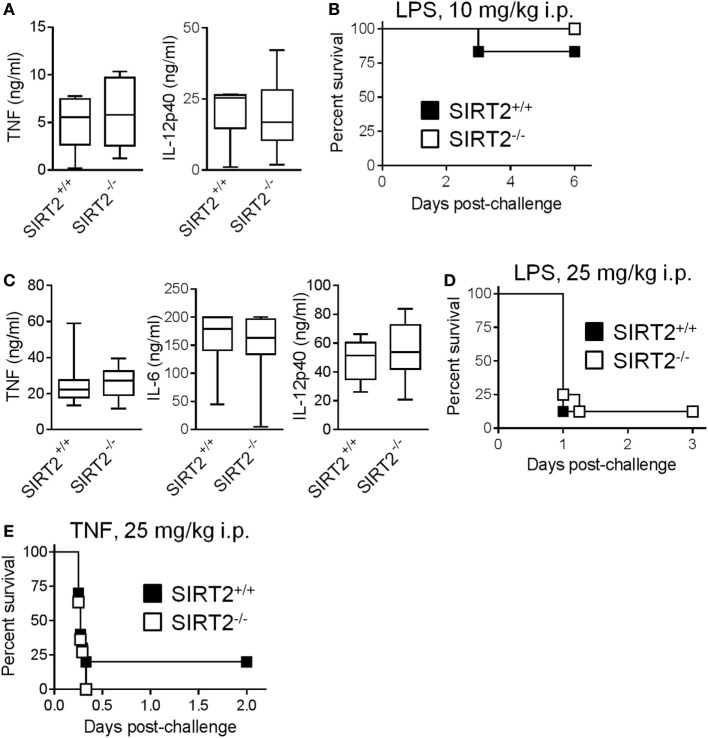
Sirtuin 2 (SIRT2) is one of the seven members of the family of NAD-dependent histone deacetylases. Sirtuins target histones and non-histone proteins according to their subcellular localization, influencing various biological processes. SIRT2 resides mainly in the cytoplasm and regulates cytoskeleton dynamics, cell cycle, and metabolic pathways. As such, SIRT2 has been implicated in the pathogenesis of neurodegenerative, metabolic, oncologic, and chronic inflammatory disorders. This motivated the development of SIRT2-directed therapies for clinical purposes. However, the impact of SIRT2 on antimicrobial host defense is largely unknown. Here, we address this question using SIRT2 knockout mice. We show that SIRT2 is the most highly expressed sirtuin in myeloid cells, especially macrophages. SIRT2 deficiency does not affect immune cell development and marginally impacts on intracellular signaling and cytokine production by splenocytes and macrophages. However, SIRT2 deficiency enhances bacterial phagocytosis by macrophages. In line with these observations, in preclinical models, SIRT2 deficiency increases survival of mice with chronic staphylococcal infection, while having no effect on the course of toxic shock syndrome toxin-1, LPS or TNF-induced shock, fulminant peritonitis, sub-lethal pneumonia, and chronic candidiasis. Altogether, these data support the safety profile of SIRT2 inhibitors under clinical development in terms of susceptibility to infections.
沉默调节蛋白2(SIRT2)是烟酰胺腺嘌呤二核苷酸(NAD)依赖性组蛋白脱乙酰酶家族的七个成员之一。沉默调节蛋白根据其亚细胞定位作用于组蛋白和非组蛋白,影响各种生物学过程。SIRT2主要位于细胞质中,调节细胞骨架动力学、细胞周期和代谢途径。因此,SIRT2与神经退行性、代谢、肿瘤和慢性炎症性疾病的发病机制有关。这促使人们开发用于临床目的的靶向SIRT2的疗法。然而,SIRT2对抗菌宿主防御的影响在很大程度上尚不清楚。在这里,我们使用SIRT2基因敲除小鼠来解决这个问题。我们发现SIRT2是髓系细胞尤其是巨噬细胞中表达最高的沉默调节蛋白。SIRT2缺乏并不影响免疫细胞的发育,对脾细胞和巨噬细胞的细胞内信号传导和细胞因子产生的影响微乎其微。然而,SIRT2缺乏会增强巨噬细胞的细菌吞噬作用。与这些观察结果一致,在临床前模型中,SIRT2缺乏可提高慢性葡萄球菌感染小鼠的存活率,而对中毒性休克综合征毒素-1、脂多糖(LPS)或肿瘤坏死因子(TNF)诱导的休克、暴发性腹膜炎、亚致死性肺炎和慢性念珠菌病的病程没有影响。总之,这些数据支持了正在临床开发的SIRT2抑制剂在感染易感性方面的安全性。