Department of Medicine, University of Pennsylvania, Philadelphia, Pennsylvania.
Department of Chemistry, University of Pennsylvania, Philadelphia, Pennsylvania.
Cancer Discov. 2017 Nov;7(11):1266-1283. doi: 10.1158/2159-8290.CD-17-0741. Epub 2017 Sep 12.
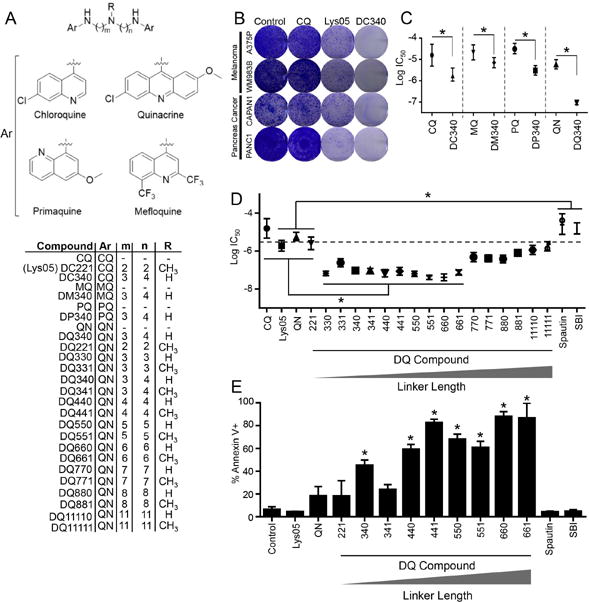
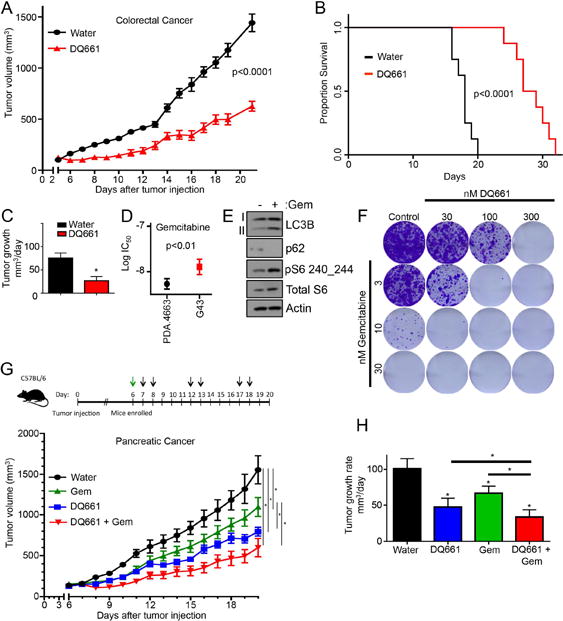
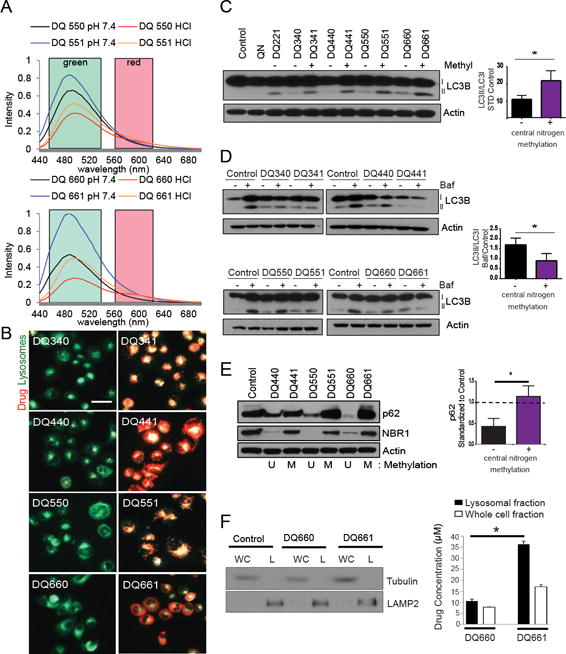
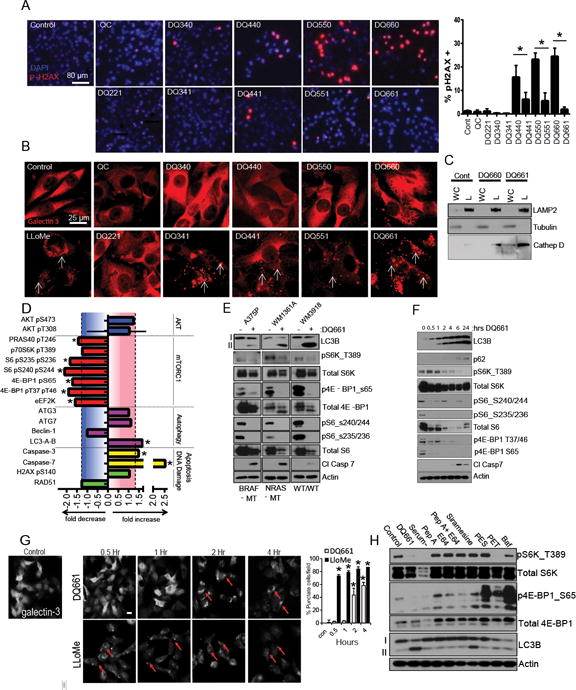
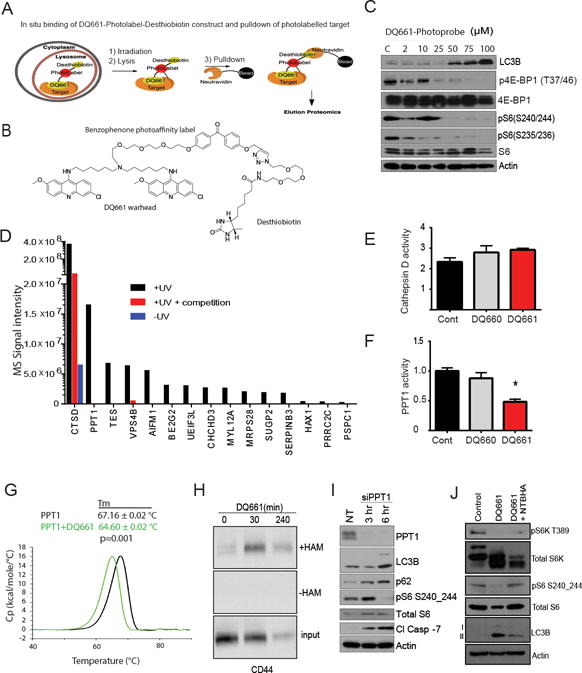
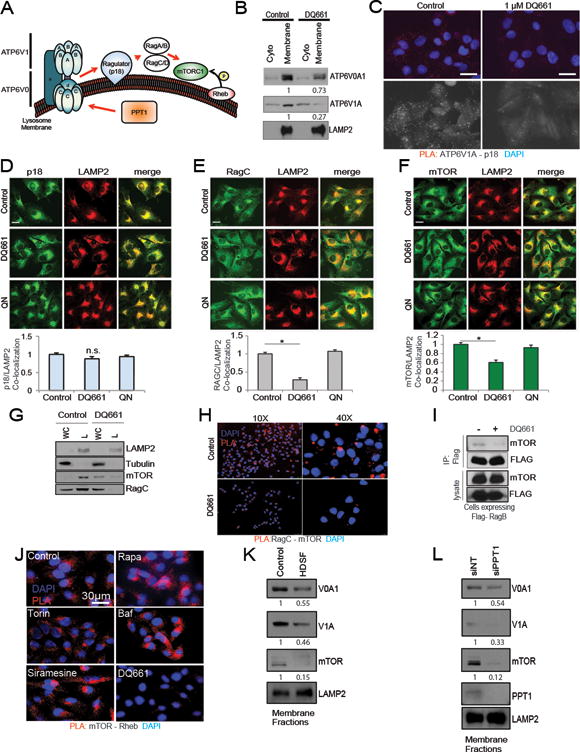
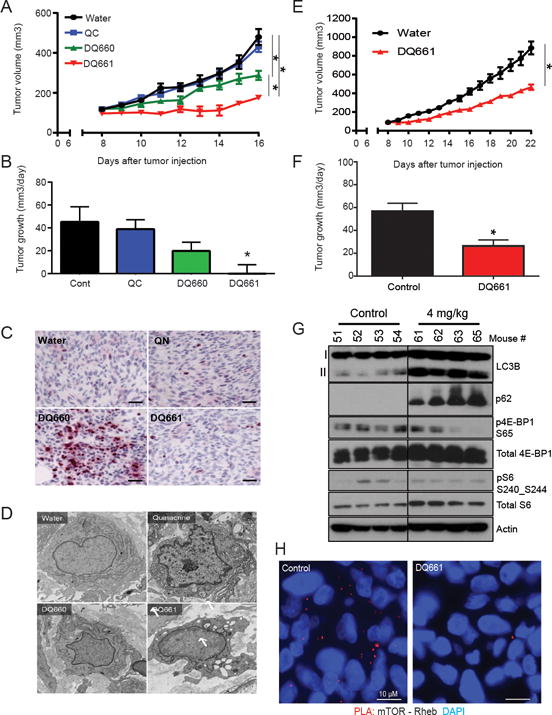
Lysosomes serve dual roles in cancer metabolism, executing catabolic programs (i.e., autophagy and macropinocytosis) while promoting mTORC1-dependent anabolism. Antimalarial compounds such as chloroquine or quinacrine have been used as lysosomal inhibitors, but fail to inhibit mTOR signaling. Further, the molecular target of these agents has not been identified. We report a screen of novel dimeric antimalarials that identifies dimeric quinacrines (DQ) as potent anticancer compounds, which concurrently inhibit mTOR and autophagy. Central nitrogen methylation of the DQ linker enhances lysosomal localization and potency. An photoaffinity pulldown identified palmitoyl-protein thioesterase 1 (PPT1) as the molecular target of DQ661. PPT1 inhibition concurrently impairs mTOR and lysosomal catabolism through the rapid accumulation of palmitoylated proteins. DQ661 inhibits the tumor growth of melanoma, pancreatic cancer, and colorectal cancer mouse models and can be safely combined with chemotherapy. Thus, lysosome-directed PPT1 inhibitors represent a new approach to concurrently targeting mTORC1 and lysosomal catabolism in cancer. This study identifies chemical features of dimeric compounds that increase their lysosomal specificity, and a new molecular target for these compounds, reclassifying these compounds as targeted therapies. Targeting PPT1 blocks mTOR signaling in a manner distinct from catalytic inhibitors, while concurrently inhibiting autophagy, thereby providing a new strategy for cancer therapy. .
溶酶体在癌症代谢中具有双重作用,执行分解代谢程序(即自噬和巨胞饮作用),同时促进 mTORC1 依赖性合成代谢。抗疟化合物,如氯喹或奎宁,已被用作溶酶体抑制剂,但不能抑制 mTOR 信号。此外,这些药物的分子靶点尚未确定。我们报告了一种新型二聚体抗疟药物的筛选,该筛选发现二聚体奎宁(DQ)是一种有效的抗癌化合物,同时抑制 mTOR 和自噬。DQ 连接子的中央氮甲基化增强了溶酶体定位和效力。光亲和下拉实验确定棕榈酰蛋白硫酯酶 1(PPT1)是 DQ661 的分子靶标。PPT1 抑制通过棕榈酰化蛋白的快速积累同时损害 mTOR 和溶酶体分解代谢。DQ661 抑制黑色素瘤、胰腺癌和结直肠癌小鼠模型的肿瘤生长,并且可以与化疗安全联合使用。因此,溶酶体定向的 PPT1 抑制剂代表了一种同时靶向癌症中 mTORC1 和溶酶体分解代谢的新方法。本研究确定了增加二聚体化合物溶酶体特异性的化学特征,以及这些化合物的新分子靶标,将这些化合物重新归类为靶向治疗药物。靶向 PPT1 以与催化抑制剂不同的方式阻断 mTOR 信号,同时抑制自噬,从而为癌症治疗提供了一种新策略。