Hopwood Centre for Neurobiology, Lifelong Health Theme, South Australian Health and Medical Research Institute (SAHMRI), PO Box 11060, Adelaide 5001, South Australia, Australia.
Biosci Rep. 2020 Apr 30;40(4). doi: 10.1042/BSR20200905.
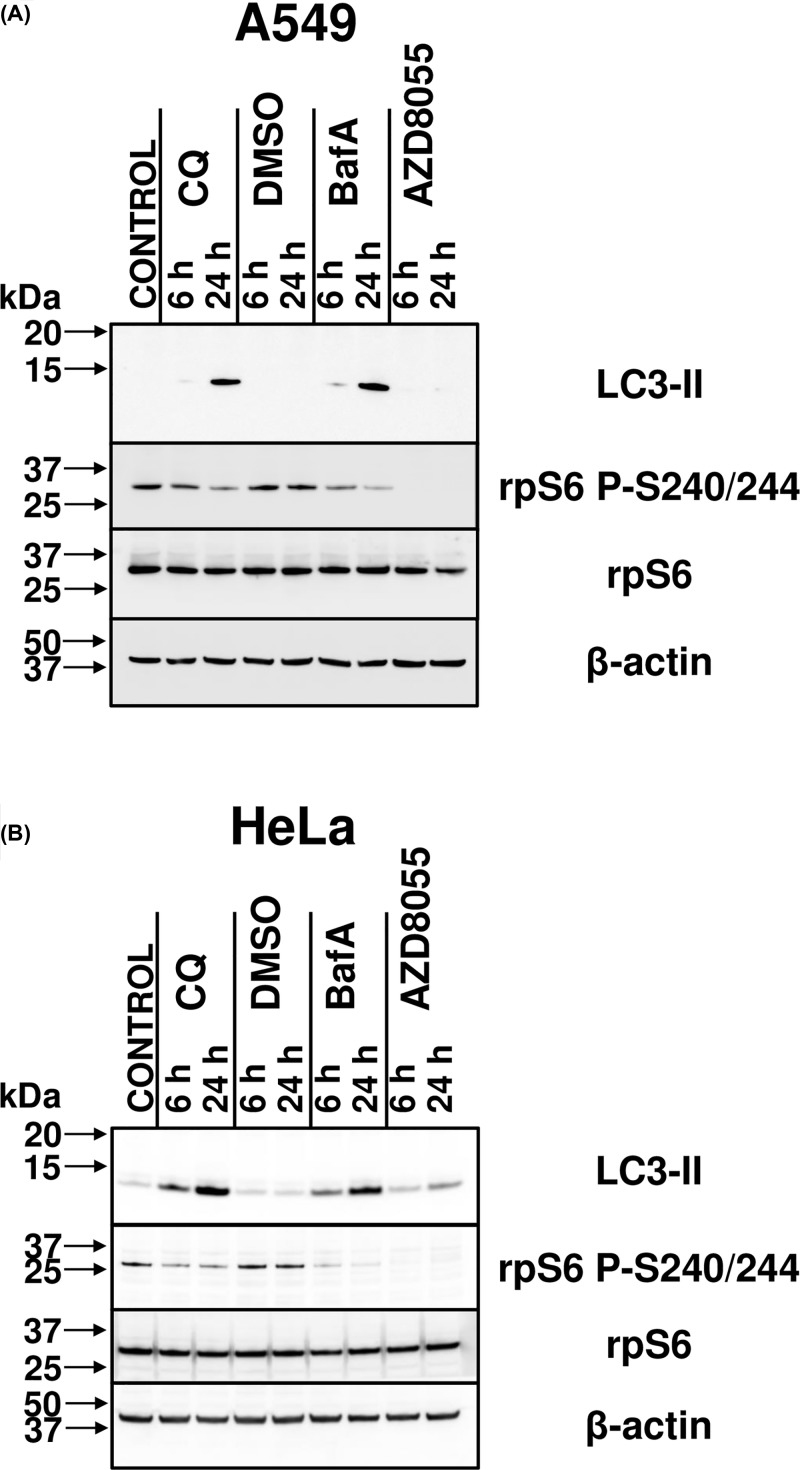
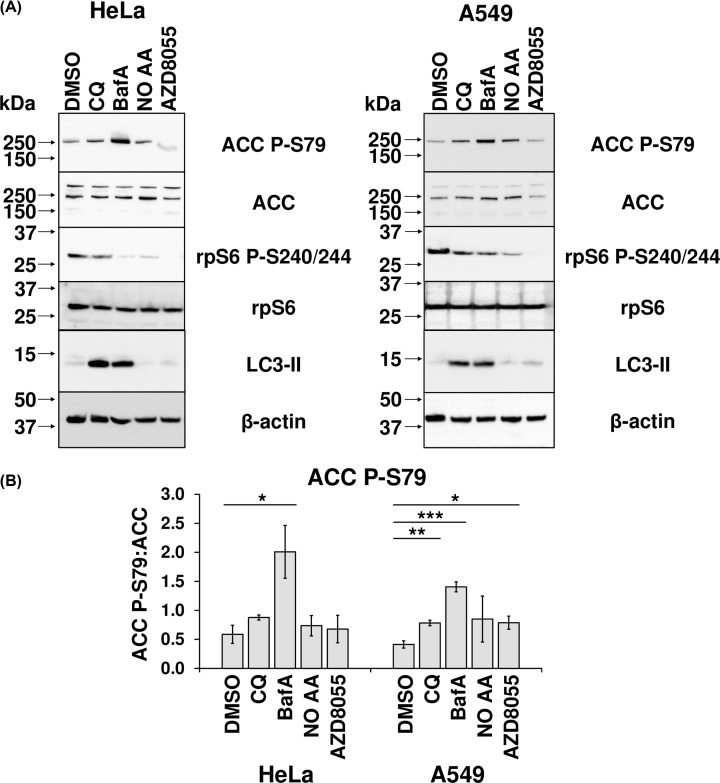
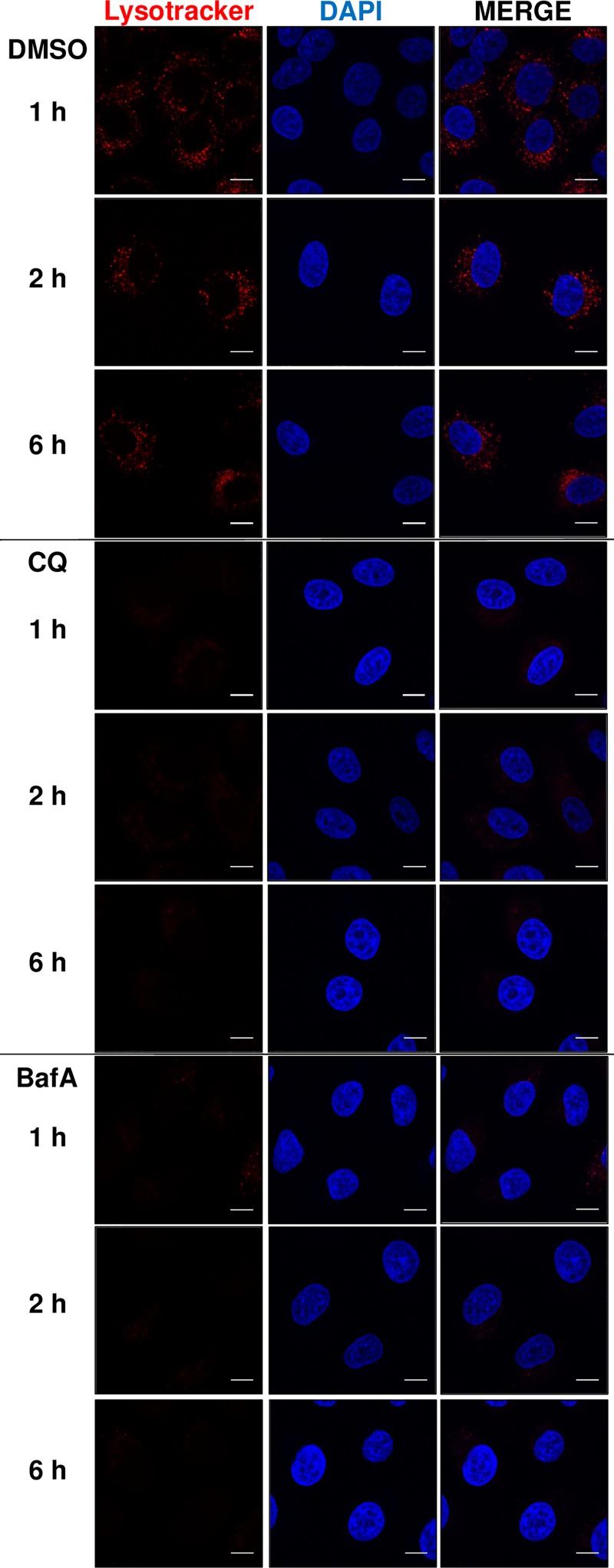
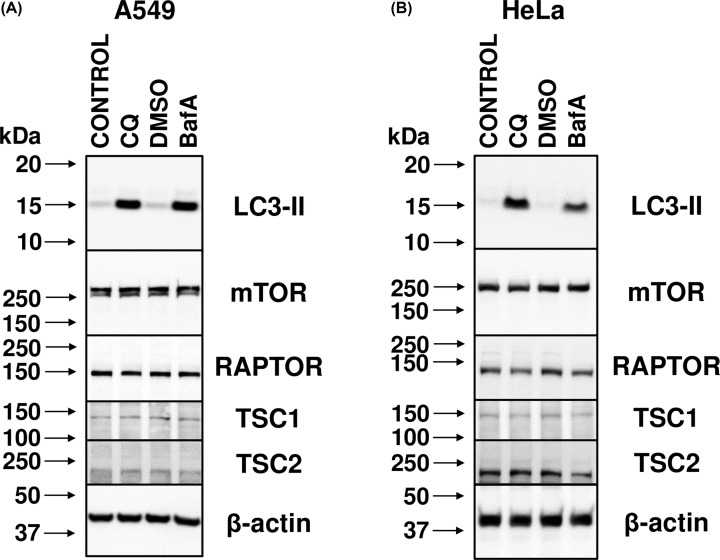
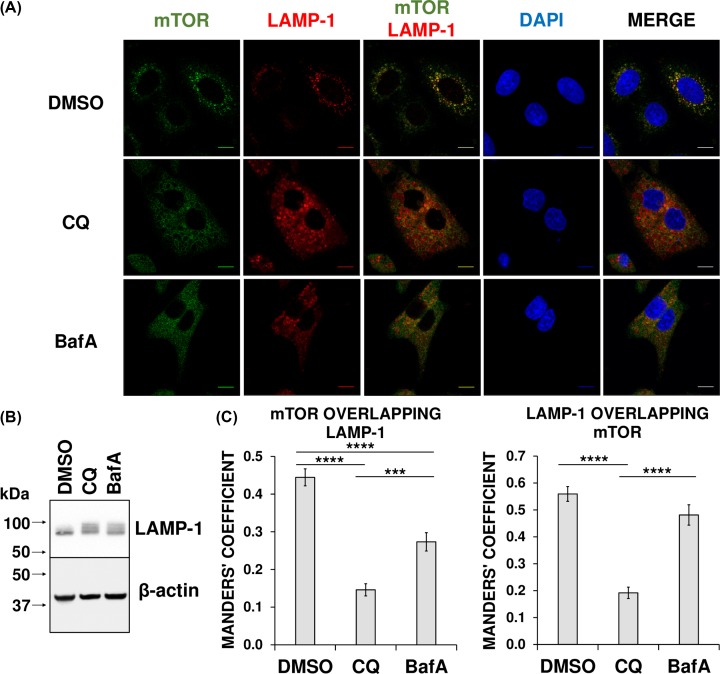
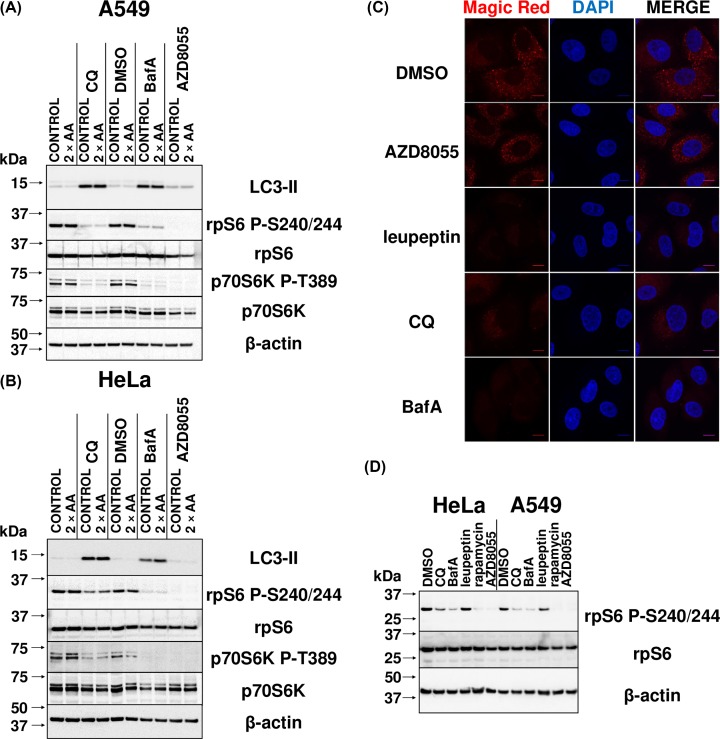
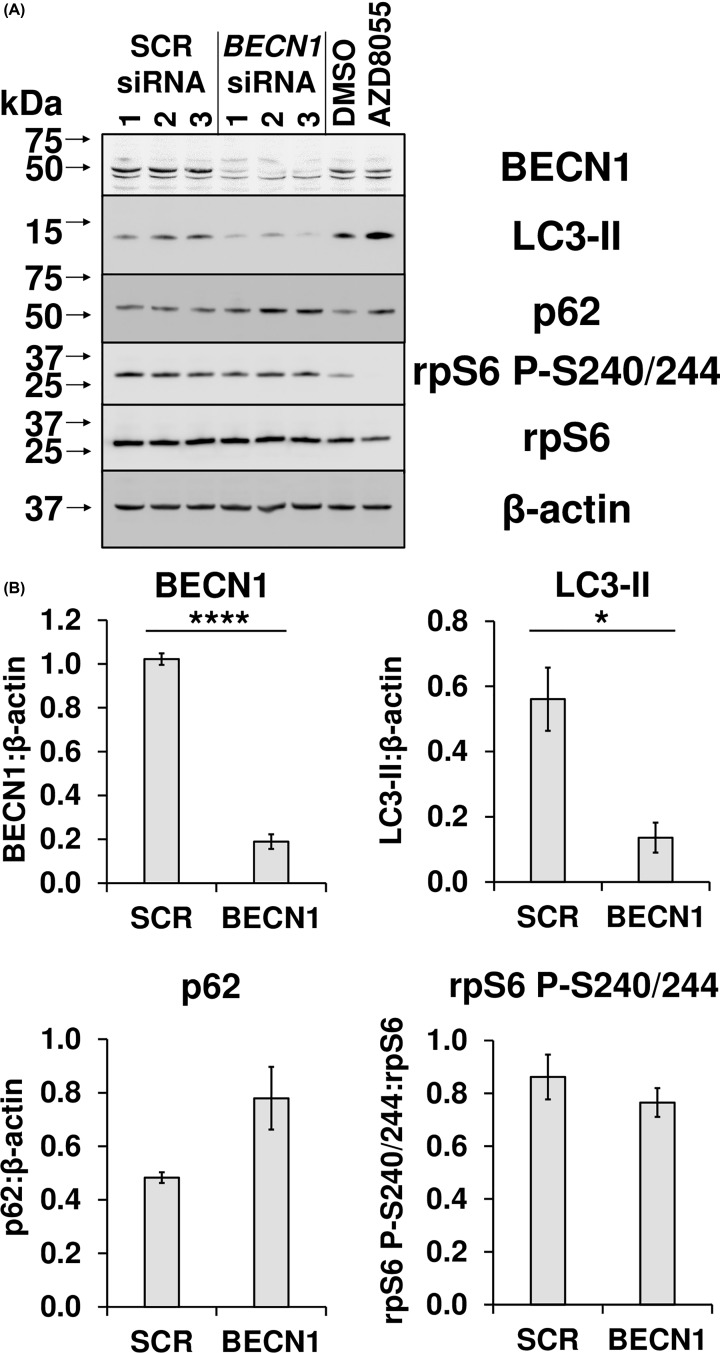
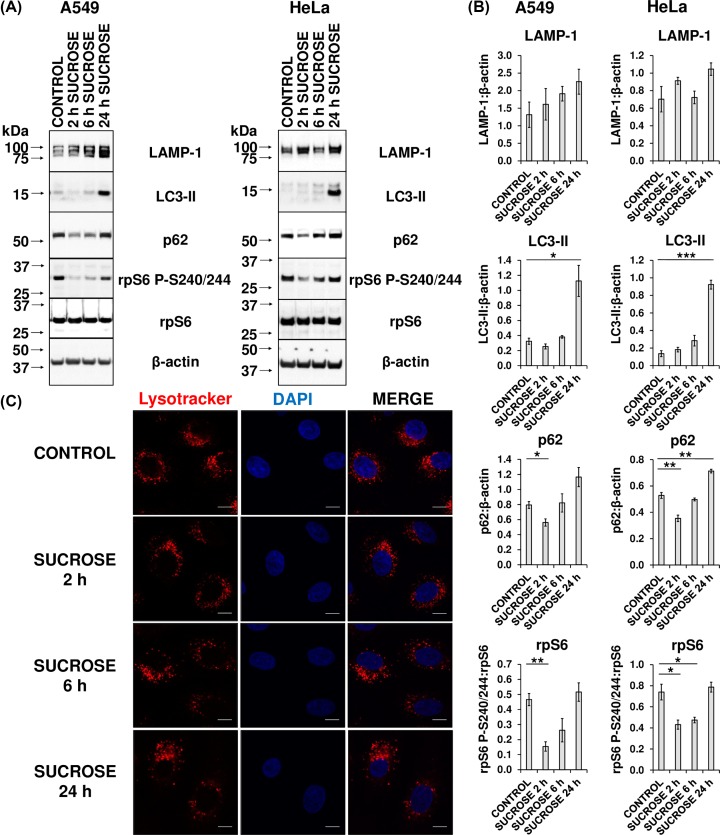
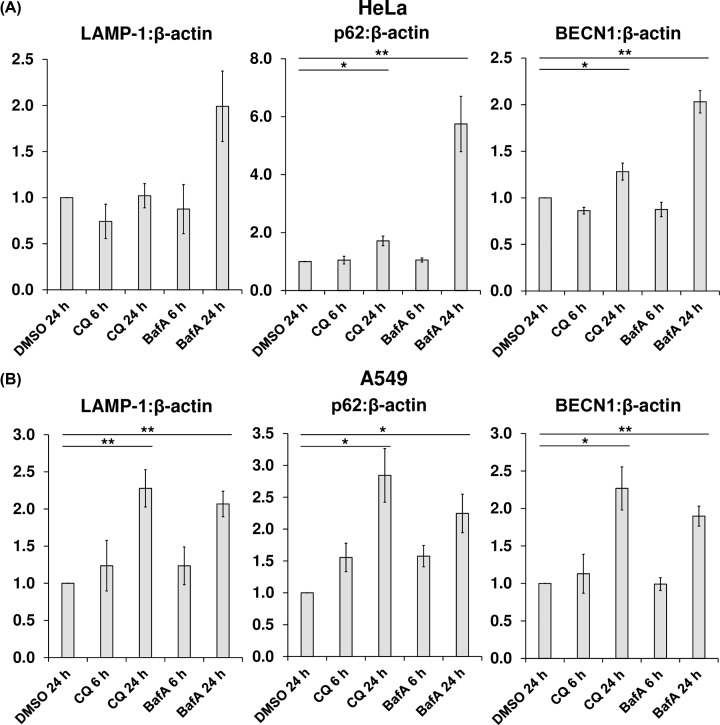
Autophagy is dependent upon lysosomes, which fuse with the autophagosome to complete the autophagic process and whose acidic interior permits the activity of their intraluminal degradative enzymes. Chloroquine (CQ) and bafilomycin A1 (BafA) each cause alkalinisation of the lumen and thus impair lysosomal function, although by distinct mechanisms. CQ diffuses into lysosomes and undergoes protonation, while BafA inhibits the ability of the vacuolar type H+-ATPase (v-ATPase) to transfer protons into the lysosome. In the present study, we examine the impact of CQ and BafA on the activity of mammalian target of rapamycin complex 1 (mTORC1), inhibition of which is an early step in promoting autophagy. We find each compound inhibits mTORC1 signalling, without affecting levels of protein components of the mTORC1 signalling pathway. Furthermore, these effects are not related to these agents' capacity to inhibit autophagy or the reduction in amino acid supply from lysosomal proteolysis. Instead, our data indicate that the reduction in mTORC1 signalling appears to be due to the accumulation of lysosomal storage material. However, there are differences in responses to these agents, for instance, in their abilities to up-regulate direct targets of transcription factor EB (TFEB), a substrate of mTORC1 that drives transcription of many lysosomal and autophagy-related genes. Nonetheless, our data imply that widely used agents that alkalinise intralysosomal pH are mimetics of acute lysosomal storage disorders (LSDs) and emphasise the importance of considering the result of CQ and BafA on mTORC1 signalling when interpreting the effects of these agents on cellular physiology.
自噬依赖于溶酶体,溶酶体与自噬体融合完成自噬过程,其酸性内部允许腔内降解酶的活性。氯喹(CQ)和巴弗洛霉素 A1(BafA)都导致腔内碱化,从而损害溶酶体功能,尽管作用机制不同。CQ 扩散到溶酶体并发生质子化,而 BafA 抑制液泡型 H+-ATP 酶(v-ATPase)将质子转移到溶酶体的能力。在本研究中,我们研究了 CQ 和 BafA 对哺乳动物雷帕霉素靶蛋白复合物 1(mTORC1)活性的影响,mTORC1 的抑制是促进自噬的早期步骤。我们发现这两种化合物都抑制了 mTORC1 信号通路,而不影响 mTORC1 信号通路的蛋白质成分的水平。此外,这些效应与这些药物抑制自噬的能力或溶酶体蛋白水解减少氨基酸供应无关。相反,我们的数据表明,mTORC1 信号的减少似乎是由于溶酶体储存物质的积累。然而,这些药物的反应存在差异,例如,它们上调转录因子 EB(TFEB)的直接靶标的能力不同,TFEB 是 mTORC1 的底物,可驱动许多溶酶体和自噬相关基因的转录。尽管如此,我们的数据表明,广泛使用的使腔内 pH 碱化的药物模拟急性溶酶体储存障碍(LSD),并强调在解释这些药物对细胞生理学的影响时,考虑 CQ 和 BafA 对 mTORC1 信号的影响的重要性。