Neugebauer Edmund A M, Rath Ana, Antoine Sunya-Lee, Eikermann Michaela, Seidel Doerthe, Koenen Carsten, Jacobs Esther, Pieper Dawid, Laville Martine, Pitel Séverine, Martinho Cecilia, Djurisic Snezana, Demotes-Mainard Jacques, Kubiak Christine, Bertele Vittorio, Jakobsen Janus C, Garattini Silvio, Gluud Christian
Brandenburg Medical School Theodor Fontane & Health Services Research Witten/Herdecke University, Campus Neuruppin, Neuruppin, Germany.
Orphanet, Institut National de la Santé et de la Recherche Médicale (INSERM), Paris, France.
Trials. 2017 Sep 13;18(1):427. doi: 10.1186/s13063-017-2168-0.
Medical devices play an important role in the diagnosis, prevention, treatment and care of diseases. However, compared to pharmaceuticals, there is no rigorous formal regulation for demonstration of benefits and exclusion of harms to patients. The medical device industry argues that the classical evidence hierarchy cannot be applied for medical devices, as randomised clinical trials are impossible to perform. This article aims to identify the barriers for randomised clinical trials on medical devices.
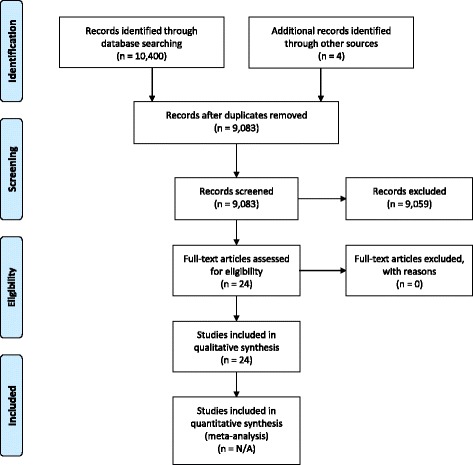
Systematic literature searches without meta-analysis and internal European Clinical Research Infrastructure Network (ECRIN) communications taking place during face-to-face meetings and telephone conferences from 2013 to 2017 within the context of the ECRIN Integrating Activity (ECRIN-IA) project.
In addition to the barriers that exist for all trials, we identified three major barriers for randomised clinical trials on medical devices, namely: (1) randomisation, including timing of assessment, acceptability, blinding, choice of the comparator group and considerations on the learning curve; (2) difficulties in determining appropriate outcomes; and (3) the lack of scientific advice, regulations and transparency.
The present review offers potential solutions to break down the barriers identified, and argues for applying the randomised clinical trial design when assessing the benefits and harms of medical devices.
医疗设备在疾病的诊断、预防、治疗和护理中发挥着重要作用。然而,与药品相比,对于向患者证明益处和排除危害,尚无严格的正式监管。医疗设备行业认为,由于无法进行随机临床试验,经典的证据等级体系不适用于医疗设备。本文旨在确定医疗设备随机临床试验的障碍。
在欧洲临床研究基础设施网络(ECRIN)整合活动(ECRIN-IA)项目的背景下,于2013年至2017年期间通过面对面会议和电话会议进行了无荟萃分析的系统文献检索以及ECRIN内部沟通。
除了所有试验都存在的障碍外,我们还确定了医疗设备随机临床试验的三个主要障碍,即:(1)随机化,包括评估时间、可接受性、盲法、对照对照组的选择以及对学习曲线的考虑;(2)确定适当结局的困难;(3)缺乏科学建议、法规和透明度。
本综述提供了打破已确定障碍的潜在解决方案,并主张在评估医疗设备的益处和危害时应用随机临床试验设计。