Department of Critical Care, University Hospital of Larissa, University of Thessaly Medical School, Larissa, Thessaly, Greece.
Oxid Med Cell Longev. 2017;2017:5985209. doi: 10.1155/2017/5985209. Epub 2017 Aug 20.
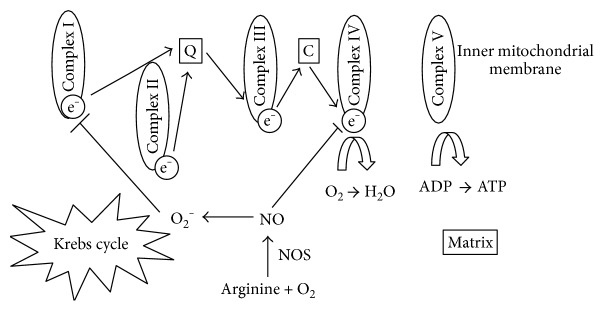
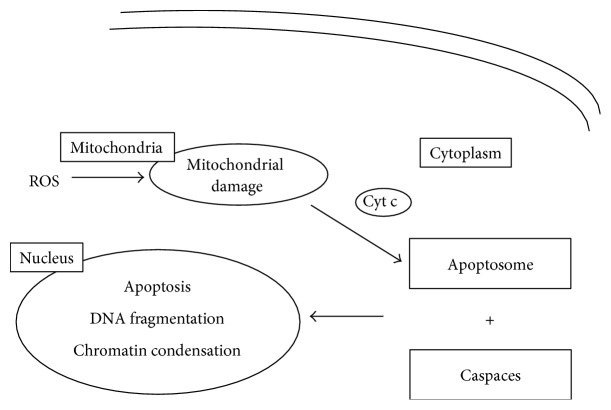
Sepsis is one of the most important causes of death in intensive care units. Despite the fact that sepsis pathogenesis remains obscure, there is increasing evidence that oxidants and antioxidants play a key role. The imbalance of the abovementioned substances in favor of oxidants is called oxidative stress, and it contributes to sepsis process. The most important consequences are vascular permeability impairment, decreased cardiac performance, and mitochondrial malfunction leading to impaired respiration. Nitric oxide is perhaps the most important and well-studied oxidant. Selenium, vitamin C, and 3N-acetylcysteine among others are potential therapies for the restoration of redox balance in sepsis. Results from recent studies are promising, but there is a need for more human studies in a clinical setting for safety and efficiency evaluation.
脓毒症是重症监护病房中最重要的死亡原因之一。尽管脓毒症的发病机制仍然不清楚,但越来越多的证据表明氧化剂和抗氧化剂起着关键作用。上述物质向氧化剂倾斜的不平衡称为氧化应激,它导致了脓毒症的发生。最重要的后果是血管通透性受损、心功能下降和线粒体功能障碍导致呼吸受损。一氧化氮可能是最重要和研究最多的氧化剂。硒、维生素 C 和 3N-乙酰半胱氨酸等是恢复脓毒症氧化还原平衡的潜在治疗方法。最近的研究结果很有希望,但仍需要在临床环境中进行更多的人体研究,以评估安全性和效率。