Hatgis Jesse, Granville Michelle, Jacobson Robert E
Pain Management, Phoenix Neurological and Pain Institute.
Miami Neurosurgical Center, University of Miami Hospital.
Cureus. 2017 Jul 9;9(7):e1449. doi: 10.7759/cureus.1449.
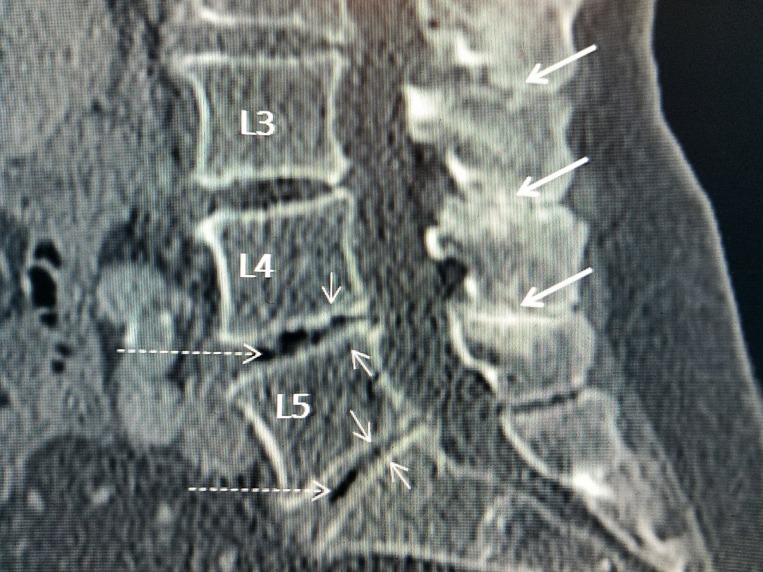
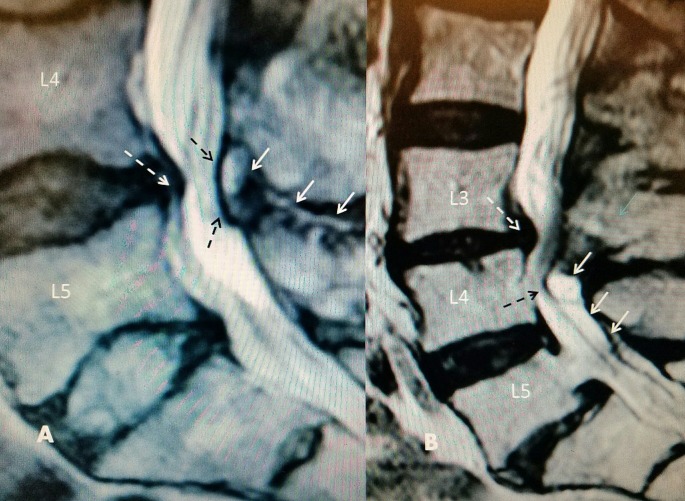
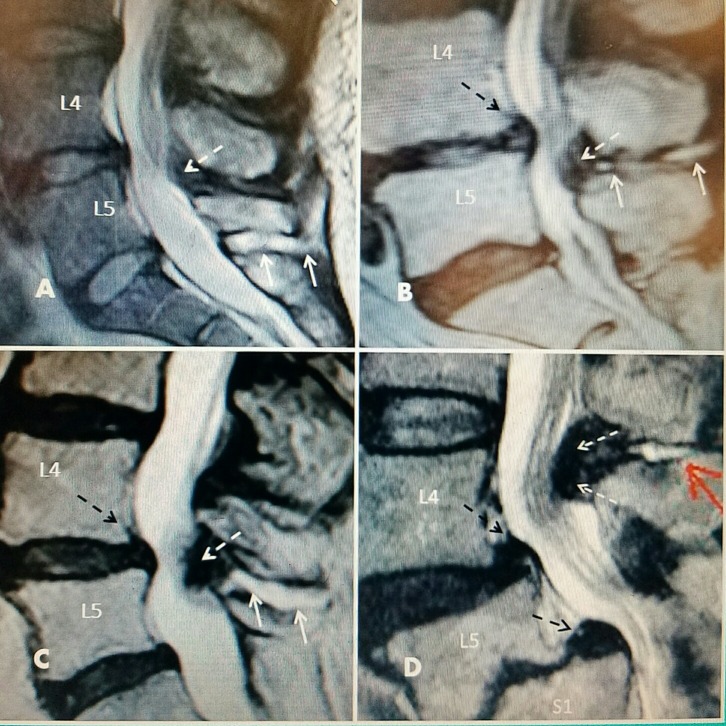
Baastrup's disease or "kissing spines syndrome" was first described as a cause of lumbar pain before computerized tomography (CT) and magnetic resonance imaging (MRI) scanning existed. The diagnosis was based on x-ray studies, which showed that the spinous processes, especially in the lower lumbar spine, became approximated to each other and this was a generator of positional back pain. Biomechanically, the interspinous and supraspinous ligaments that are degenerated in Baastrup's disease normally contribute significantly to sagittal alignment. Ligamentous stenosis and anterolisthesis would be the expected pathology with deterioration of these ligaments and were initially described on CT and MRI in patients with symptoms similar to Baastrup's disease as isolated individual case reports. This review will highlight the relationship between the various clinical presentations, biomechanics, and overlap of Baastrup's disease with interspinous bursitis, segmental stenosis, and instability, presenting them as a disease continuum rather than as separate disease processes.
巴斯楚普氏病或“亲吻棘突综合征”在计算机断层扫描(CT)和磁共振成像(MRI)扫描出现之前,就首次被描述为腰痛的一个病因。诊断基于X线研究,该研究显示棘突,尤其是下腰椎的棘突,相互靠近,这是位置性背痛的一个起因。从生物力学角度来看,在巴斯楚普氏病中发生退变的棘间韧带和棘上韧带通常对矢状位排列有显著作用。随着这些韧带退变,韧带狭窄和椎体前滑脱将是预期的病理表现,最初在CT和MRI上,有症状与巴斯楚普氏病相似的患者中作为孤立的个案报道。本综述将强调巴斯楚普氏病的各种临床表现、生物力学以及与棘间滑囊炎、节段性狭窄和不稳定之间的重叠关系,将它们呈现为一个疾病连续体,而非单独的疾病过程。