U.S. Department of Agriculture, Agricultural Research Service, Western Regional Research Center, Produce Safety and Microbiology Unit, Albany, CA 94710, USA.
Arrayit Corporation, Sunnyvale, CA 94085, USA.
Sensors (Basel). 2017 Sep 20;17(9):2157. doi: 10.3390/s17092157.
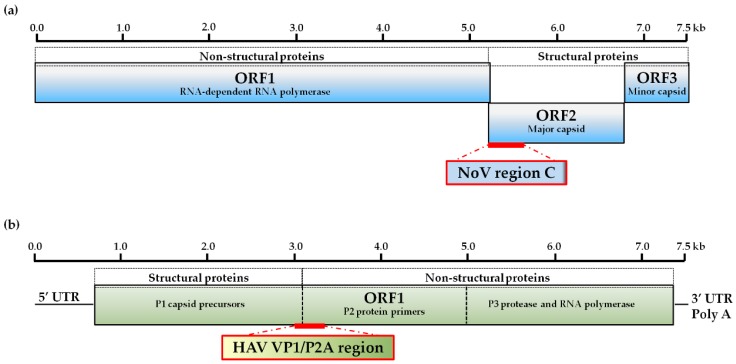
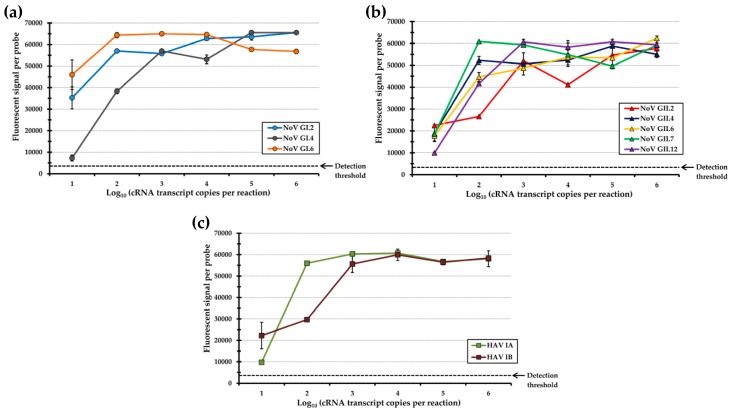
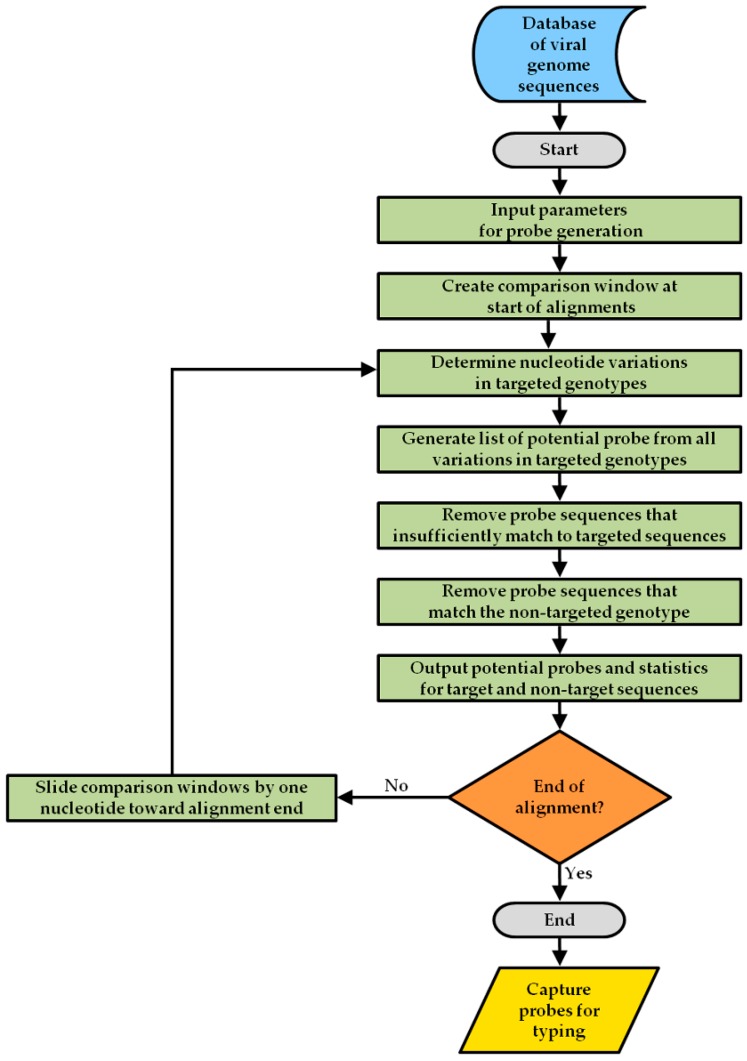
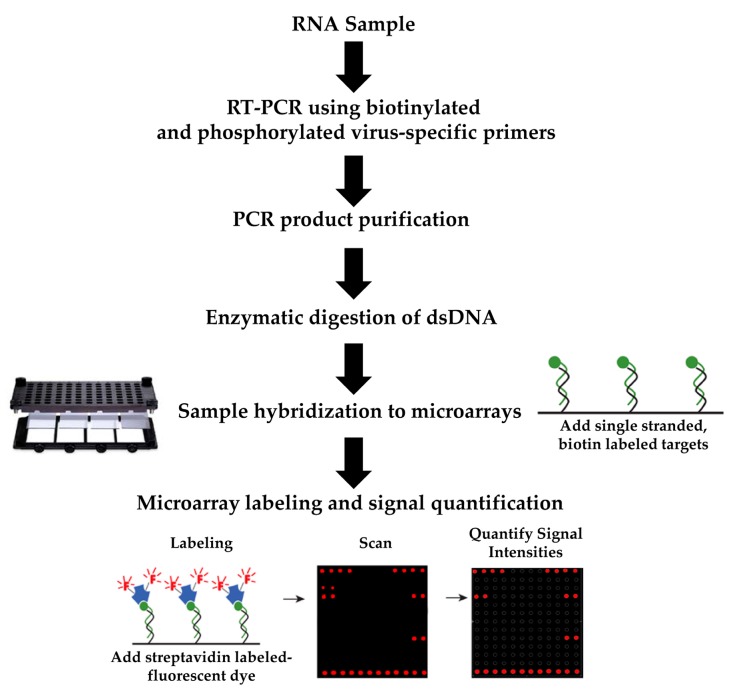
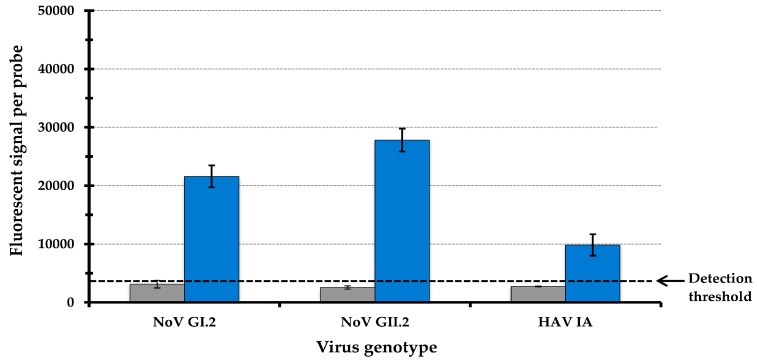
Human noroviruses (NoV) are the leading cause of human gastroenteritis in populations of all ages and are linked to most of the foodborne outbreaks worldwide. Hepatitis A virus (HAV) is another important foodborne enteric virus and is considered the most common agent causing acute liver disease worldwide. In the present study, a focused, low-density DNA microarray was developed and validated for the simultaneous identification of foodborne-associated genotypes of NoV and HAV. By employing a novel algorithm, capture probes were designed to target variable genomic regions commonly used for typing these foodborne viruses. Validation results showed that probe signals, specific for the tested NoV or HAV genotypes, were on average 200-times or 38-times higher than those detected for non-targeted genotypes, respectively. To improve the analytical sensitivity of this method, a 12-mer oligonucleotide spacer sequence was added to the capture probes and resulted in a detection threshold of less than 10 cRNA transcripts. These findings have indicated that this array-based typing sensor has the accuracy and sensitivity for identifying NoV and HAV genotypic profiles predominantly linked to food poisoning. The implementation of this typing sensor would thus provide highly relevant and valuable information for use in surveillance and outbreak attribution.
人类诺如病毒(NoV)是各年龄段人群中引起人类胃肠炎的主要原因,也是与世界范围内大多数食源性暴发相关的主要病原体。甲型肝炎病毒(HAV)是另一种重要的食源性肠道病毒,被认为是导致全球急性肝病的最常见病原体。本研究开发并验证了一种针对 NoV 和 HAV 食源性相关基因型的聚焦、低密度 DNA 微阵列。通过采用一种新颖的算法,设计了捕获探针以靶向常用于这些食源性病毒分型的可变基因组区域。验证结果表明,针对测试的 NoV 或 HAV 基因型的探针信号平均比非靶向基因型高 200 倍或 38 倍。为了提高该方法的分析灵敏度,在捕获探针中添加了 12 个碱基的寡核苷酸间隔序列,检测阈值低于 10 个 cRNA 转录本。这些发现表明,这种基于阵列的分型传感器具有识别主要与食物中毒相关的 NoV 和 HAV 基因型谱的准确性和灵敏度。因此,该分型传感器的实施将为监测和暴发归因提供高度相关和有价值的信息。