Balconi Michela, Crivelli Davide, Vanutelli Maria Elide
Research Unit in Affective and Social Neuroscience, Catholic University of the Sacred Heart, Milan, Italy.
Department of Psychology, Catholic University of the Sacred Heart, Largo Gemelli 1, 20123, Milan, Italy.
BMC Neurosci. 2017 Sep 20;18(1):68. doi: 10.1186/s12868-017-0386-8.
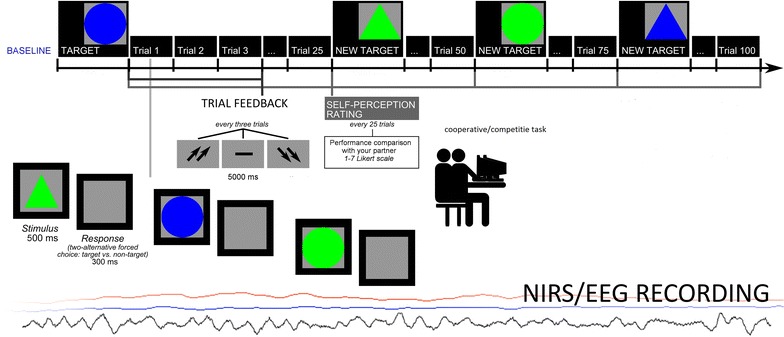
Cooperation and competition were compared in the present study. Brain correlates (electroencephalography, EEG frequency band, delta, theta, alpha, and beta) and hemodynamic measure of functional near-infrared spectroscopy (fNIRS, O2Hb) were acquired during a joined cooperative (Experiment 1) or competitive (Experiment 2) task. Subjects were required to match each other's cognitive performance (cooperation) or to make better than others (competition) in terms of accuracy (error rate, ER) and response time (RT). In addition, a personality trait measure (behavioral activation system, BAS) was used to distinguish subjects based on their rewarding attitude. Self-perception of social ranking and real performance were considered in response to subjects' performance (that was artificially manipulated to show an increasing or decreasing profile during the task).
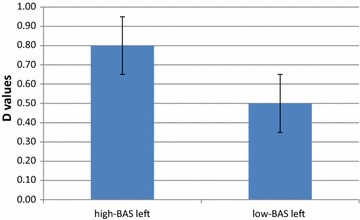
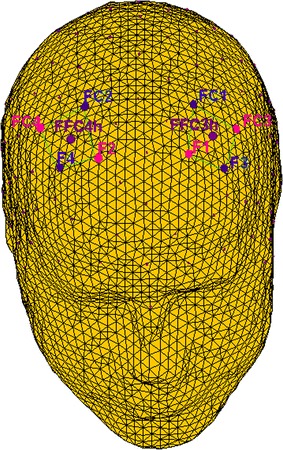
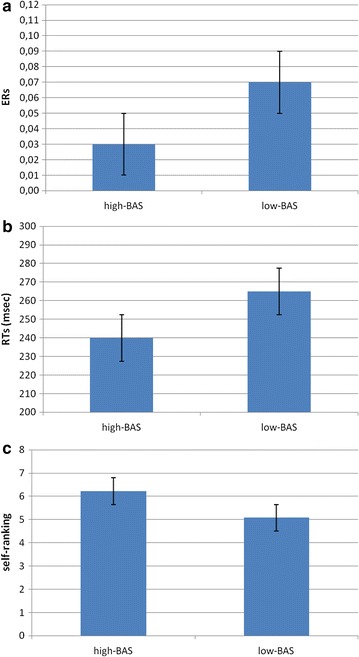
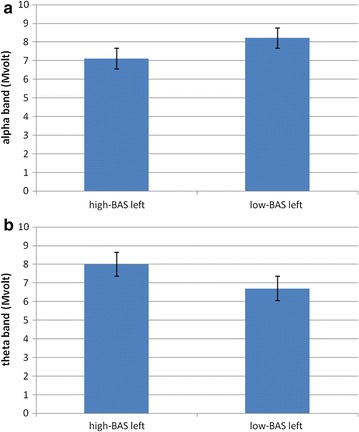
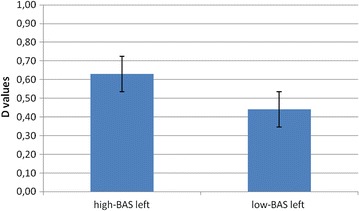
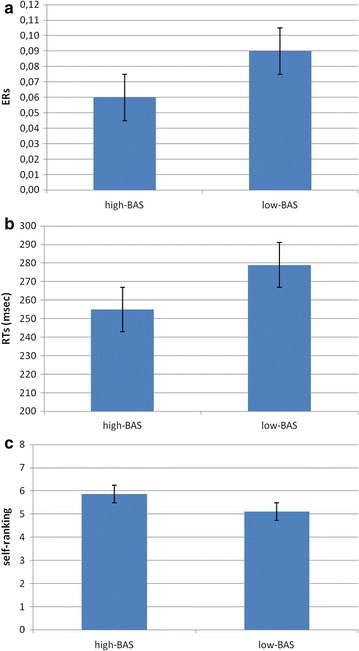
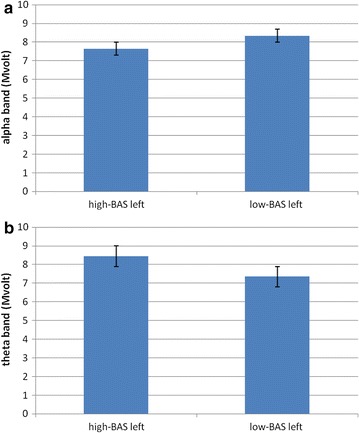
An increased left prefrontal cortical (PFC) responsiveness was found for subjects who had higher BAS rating in case of both cooperation and competition conditions. Moreover, subjects with higher BAS ratings showed greater frontal left activity during the cooperative task. These subjects also concomitantly perceived an increasing in social ranking and improved their performance.
Present results demonstrated that some trait components (BAS) and cooperative condition induce a positive self-representation in term of ranking and a best way to perform the task, as underlined by self-perception and cognitive outcomes. Indeed the higher BAS trait proved to be related with the representation of higher social ranking and with the perception of improved cognitive outcomes, with also a significant increased left PFC activity in cooperative contexts.
本研究对合作与竞争进行了比较。在联合合作任务(实验1)或竞争任务(实验2)期间,获取了大脑相关性指标(脑电图、脑电频段、δ波、θ波、α波和β波)以及功能性近红外光谱(fNIRS,氧合血红蛋白,O2Hb)的血液动力学测量结果。要求受试者在准确性(错误率,ER)和反应时间(RT)方面相互匹配认知表现(合作)或比其他人表现更好(竞争)。此外,使用一种人格特质测量方法(行为激活系统,BAS)根据受试者的奖励态度对其进行区分。根据受试者的表现(在任务期间人为操纵以显示上升或下降趋势)考虑社会排名的自我认知和实际表现。
在合作和竞争条件下,发现BAS评分较高的受试者左前额叶皮质(PFC)反应性增强。此外,BAS评分较高的受试者在合作任务期间额叶左侧活动更强。这些受试者同时也感觉到社会排名上升并提高了他们的表现。
目前的结果表明,一些特质成分(BAS)和合作条件会在排名方面引发积极的自我表征以及执行任务的最佳方式,自我认知和认知结果也强调了这一点。事实上,较高的BAS特质被证明与更高的社会排名表征以及对改善的认知结果的感知相关,在合作情境中左前额叶皮质活动也显著增加。