1 Department of Neurology, Zhujiang Hospital Southern Medical University, Guangzhou, Guangdong, China.
4 Department of Neurology, First Affiliated Hospital of Kunming Medical University, Kunming, Yunnan, China.
Cell Transplant. 2017 Jul;26(7):1262-1275. doi: 10.1177/0963689717715168.
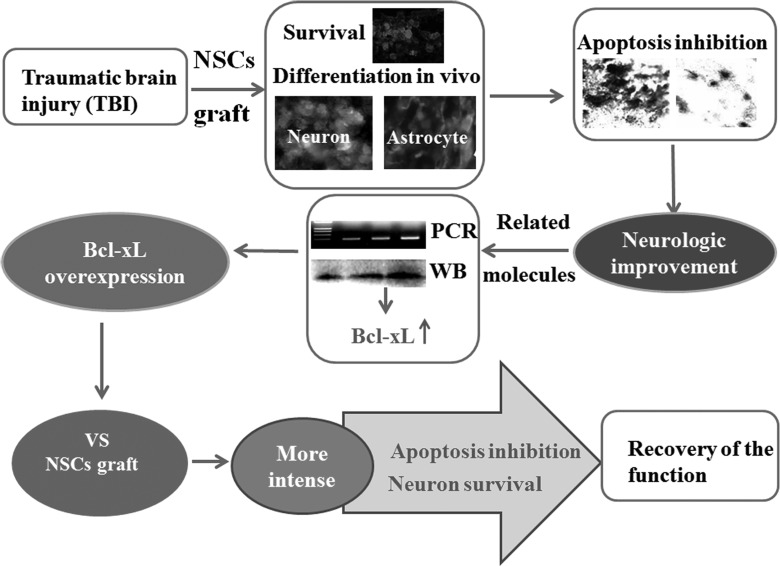
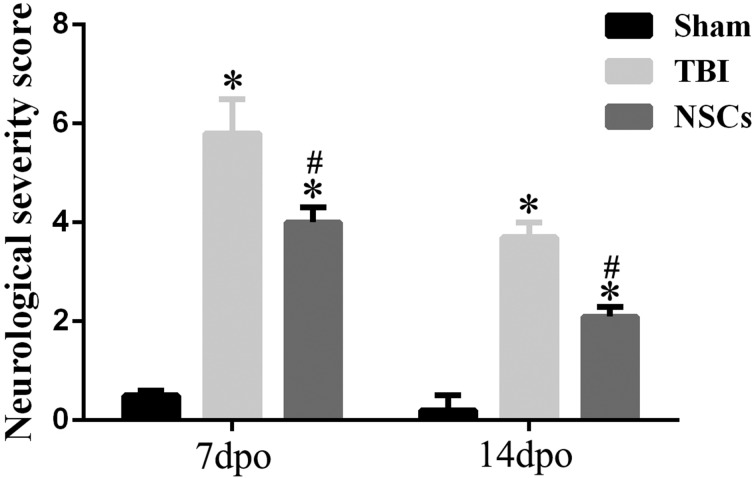
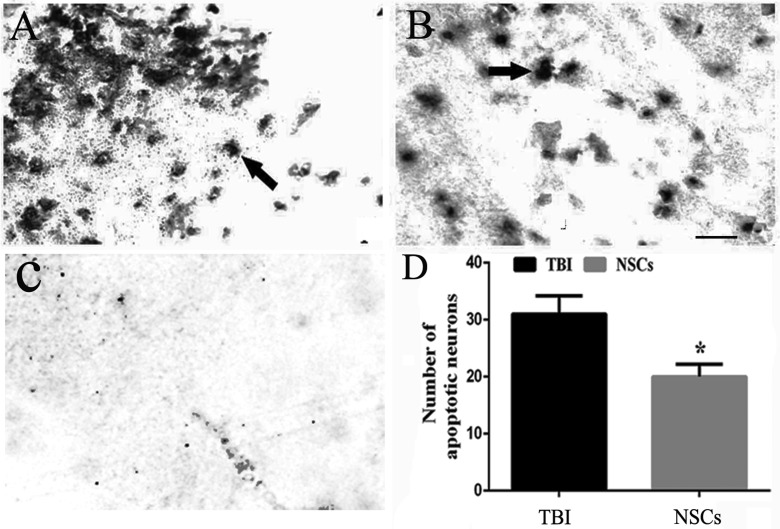
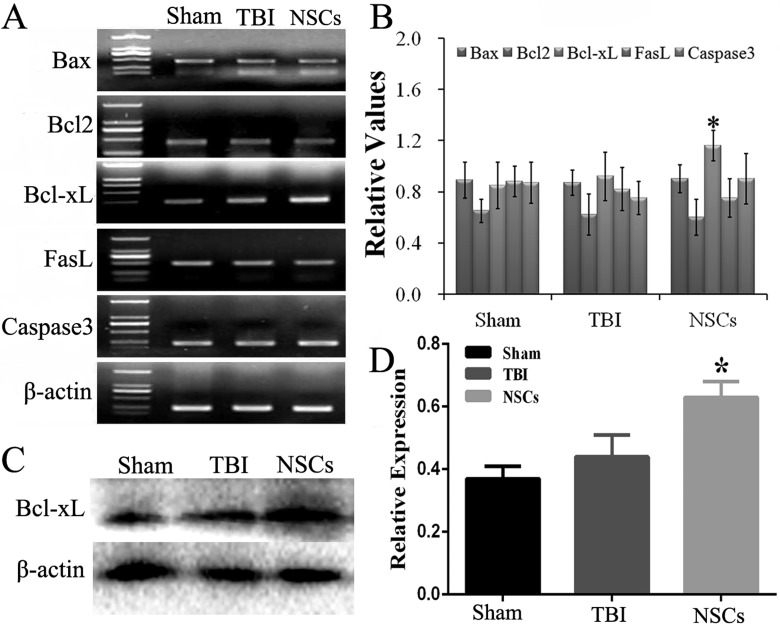
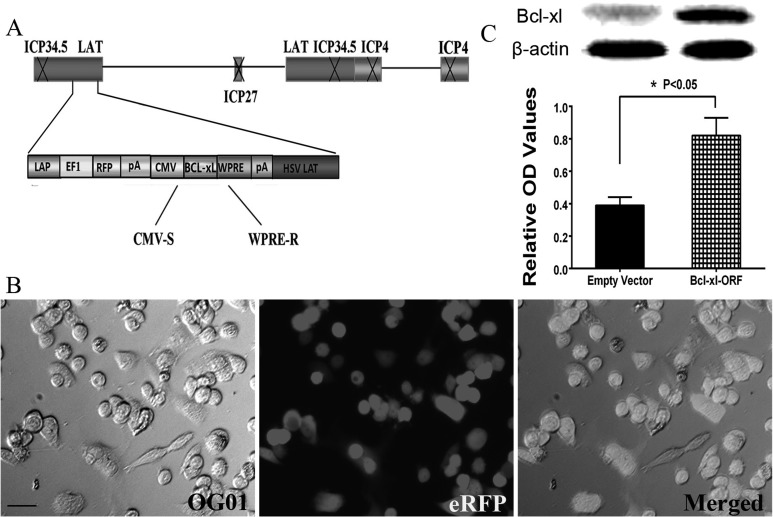
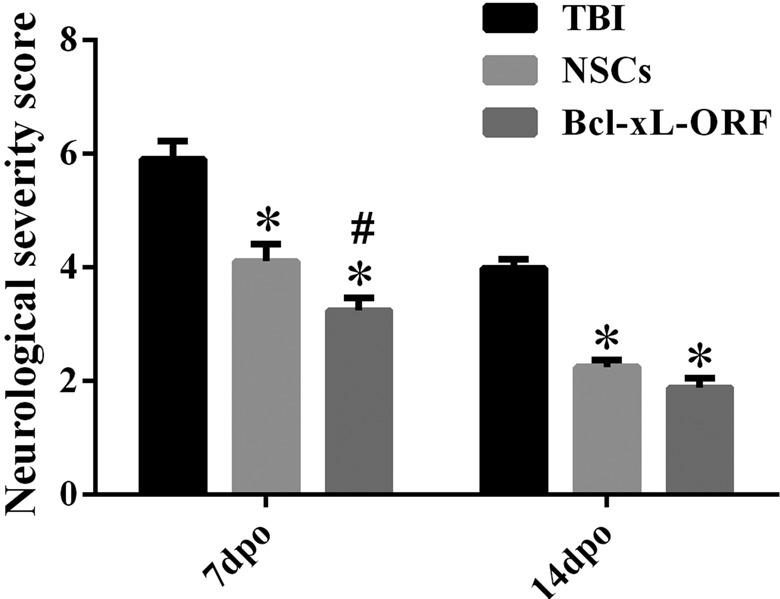
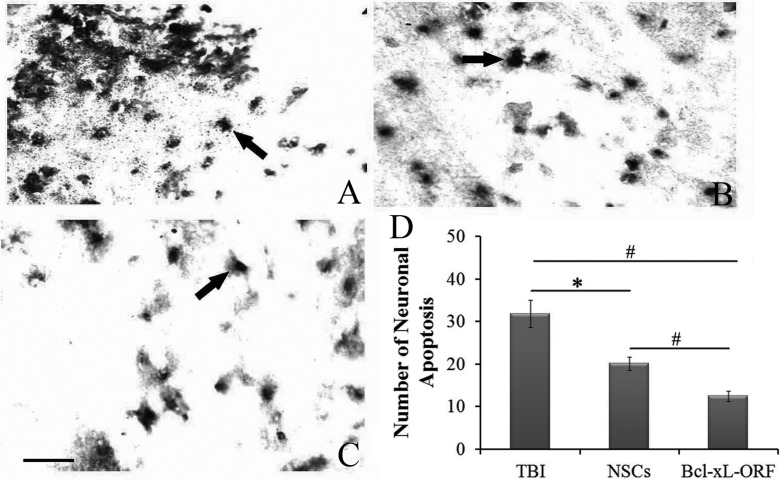
Traumatic brain injury (TBI) is a common disease that usually causes severe neurological damage, and current treatment is far from satisfactory. The neuroprotective effects of neural stem cell (NSC) transplantation in the injured nervous system have largely been known, but the underlying mechanisms remain unclear, and their limited sources impede their clinical application. Here, we established a rat model of TBI by dropping a weight onto the cortical motor area of the brain and explored the effect of engrafted NSCs (passage 3, derived from the hippocampus of embryonic 12- to 14-d green fluorescent protein transgenic mice) on TBI rats. Moreover, RT-PCR and Western blotting were employed to investigate the possible mechanism associated with NSC grafts. We found rats with TBI exhibited a severe motor and equilibrium dysfunction, while NSC transplantation could partly improve the motor function and significantly reduce cell apoptosis and increase B-cell lymphoma-extra large (Bcl-xL) expression at 7 d postoperation. However, other genes including Bax, B-cell lymphoma 2, Fas ligand, and caspase3 did not exhibit significant differences in expression. Moreover, to test whether Bcl-xL could be used as a therapeutic target, herpes simplex virus (HSV) 1 carrying Bcl-xL recombinant was constructed and injected into the pericontusional cortices. Bcl-xL overexpression not only resulted in a significant improvement in neurological function but also inhibits cell apoptosis, as compared with the TBI rats, and exhibits the same effects as the administration of NSC. The present study therefore indicated that NSC transplantation could promote the recovery of TBI rats in a manner similar to that of Bcl-xL overexpression. Therefore, Bcl-xL overexpression, to some extent, could be considered as a useful strategy to replace NSC grafting in the treatment of TBI in future clinical practices.
创伤性脑损伤(TBI)是一种常见疾病,通常会导致严重的神经损伤,目前的治疗方法远非令人满意。神经干细胞(NSC)移植在受损神经系统中的神经保护作用已广为人知,但潜在机制仍不清楚,其有限的来源阻碍了其临床应用。在这里,我们通过将重物滴落在大脑皮质运动区来建立大鼠 TBI 模型,并探讨了移植的 NSCs(第 3 代,源自胚胎 12-14 天 GFP 转基因小鼠的海马)对 TBI 大鼠的影响。此外,我们还采用 RT-PCR 和 Western blot 来研究与 NSC 移植相关的可能机制。我们发现 TBI 大鼠表现出严重的运动和平衡功能障碍,而 NSC 移植可以部分改善运动功能,并显著减少术后 7 天的细胞凋亡和增加 B 细胞淋巴瘤-extra large(Bcl-xL)的表达。然而,其他基因如 Bax、B 细胞淋巴瘤 2、Fas 配体和 caspase3 的表达没有显著差异。此外,为了测试 Bcl-xL 是否可以作为治疗靶点,我们构建了携带 Bcl-xL 重组的单纯疱疹病毒(HSV)1,并将其注入脑损伤周围皮质。与 TBI 大鼠相比,Bcl-xL 的过表达不仅导致神经功能的显著改善,还抑制了细胞凋亡,与 NSC 给药具有相同的效果。因此,本研究表明 NSC 移植可以通过类似于 Bcl-xL 过表达的方式促进 TBI 大鼠的恢复。因此,在未来的临床实践中,Bcl-xL 的过表达在一定程度上可以被认为是替代 NSC 移植治疗 TBI 的一种有用策略。