State Key Laboratory of Quality Research in Chinese Medicine, Institute of Chinese Medical Sciences, University of Macau, Macao, China.
Sci Rep. 2017 Sep 25;7(1):12230. doi: 10.1038/s41598-017-12061-8.
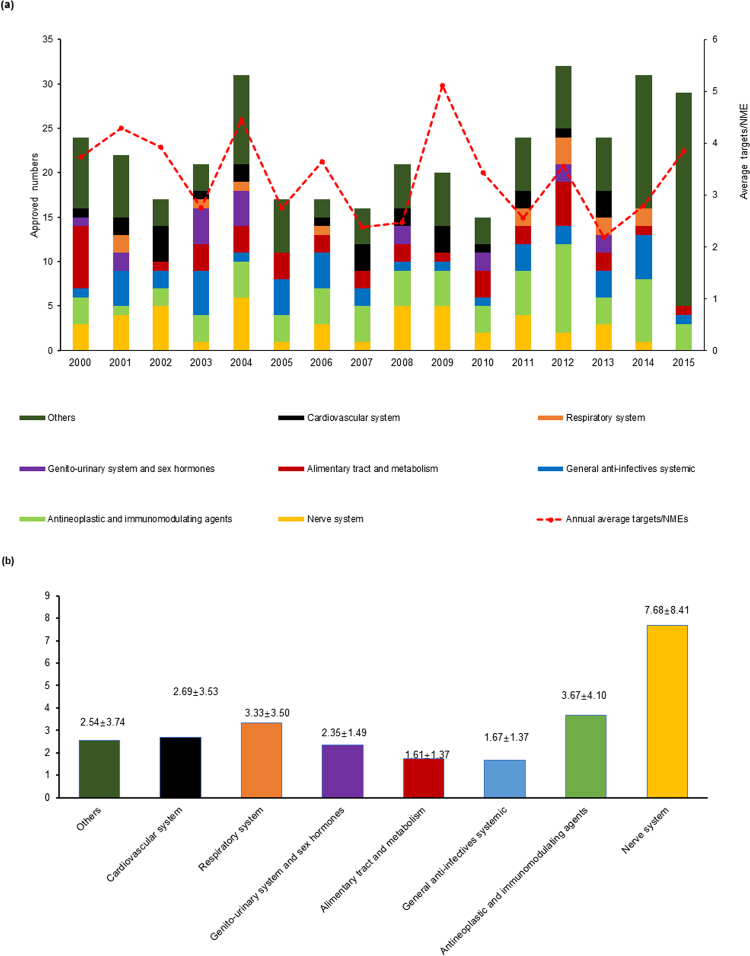
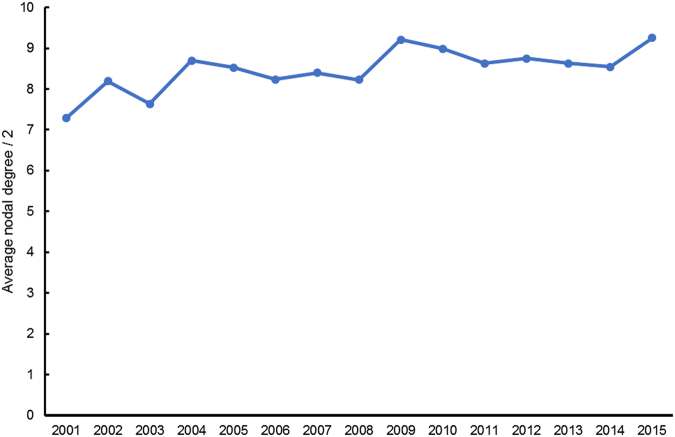
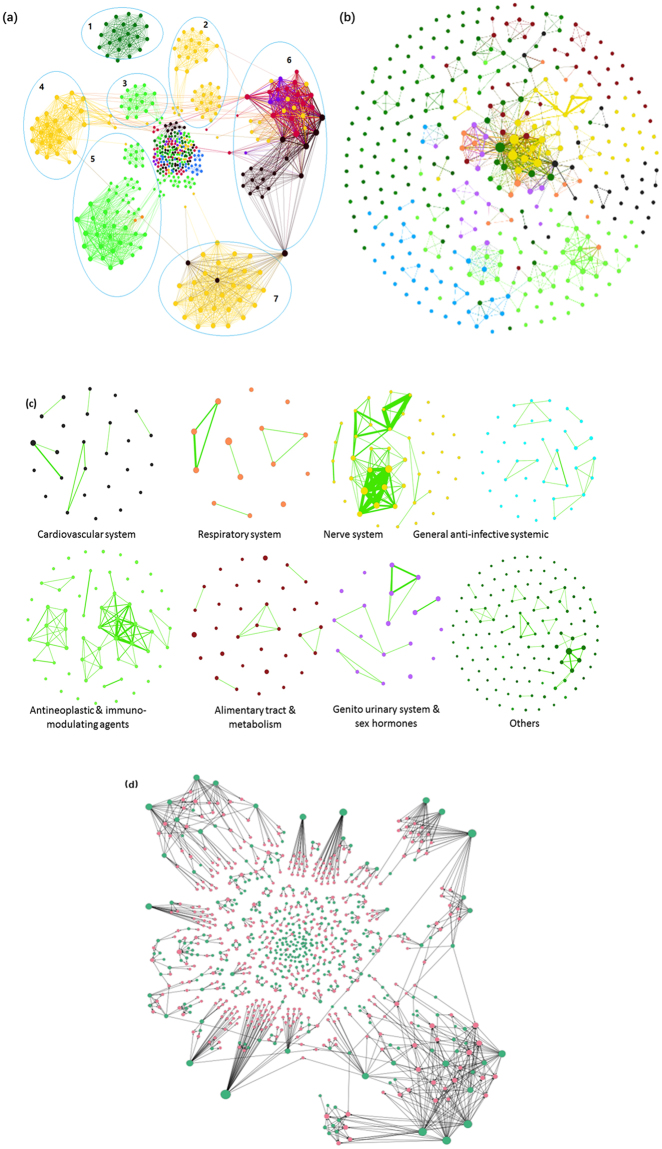
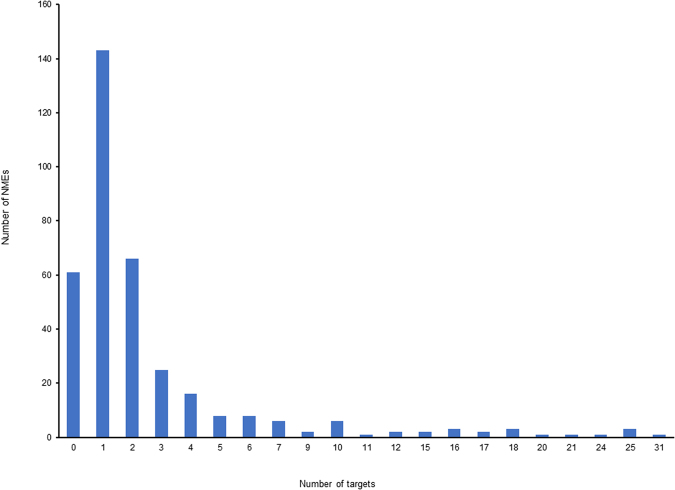
The U.S. Food and Drug Administration (FDA) approves new drugs every year. Drug targets are some of the most important interactive molecules for drugs, as they have a significant impact on the therapeutic effects of drugs. In this work, we thoroughly analyzed the data of small molecule drugs approved by the U.S. FDA between 2000 and 2015. Specifically, we focused on seven classes of new molecular entity (NME) classified by the anatomic therapeutic chemical (ATC) classification system. They were NMEs and their corresponding targets for the cardiovascular system, respiratory system, nerve system, general anti-infective systemic, genito-urinary system and sex hormones, alimentary tract and metabolisms, and antineoplastic and immunomodulating agents. To study the drug-target interaction on the systems level, we employed network topological analysis and multipartite network projections. As a result, the drug-target relations of different kinds of drugs were comprehensively characterized and global pictures of drug-target, drug-drug, and target-target interactions were visualized and analyzed from the perspective of network models.
美国食品和药物管理局(FDA)每年都会批准新的药物。药物靶点是药物中最重要的一些相互作用分子之一,因为它们对药物的治疗效果有重大影响。在这项工作中,我们彻底分析了美国 FDA 在 2000 年至 2015 年期间批准的小分子药物的数据。具体来说,我们专注于解剖治疗化学(ATC)分类系统分类的七类新的分子实体(NME)。它们是心血管系统、呼吸系统、神经系统、全身性抗感染药、生殖泌尿系统和性激素、消化道和代谢物以及抗肿瘤和免疫调节剂的 NME 及其相应的靶标。为了在系统水平上研究药物-靶标相互作用,我们采用了网络拓扑分析和多部分网络投影。结果,全面描述了不同类型药物的药物-靶标关系,并从网络模型的角度可视化和分析了药物-药物、药物-靶标和靶标-靶标相互作用的全局图。