Bechshøft Cecilie Leidesdorff, Schjerling Peter, Bornø Andreas, Holm Lars
Institute of Sports Medicine, Department of Orthopedic Surgery M, Bispebjerg Hospital and Center of Healthy Aging, Faculty of Health and Medical Sciences, University of Copenhagen, Copenhagen, Denmark.
Clinical Metabolomics Core Facility, Department of Clinical Biochemistry, Rigshospitalet, Copenhagen, Denmark.
PLoS One. 2017 Sep 28;12(9):e0185605. doi: 10.1371/journal.pone.0185605. eCollection 2017.
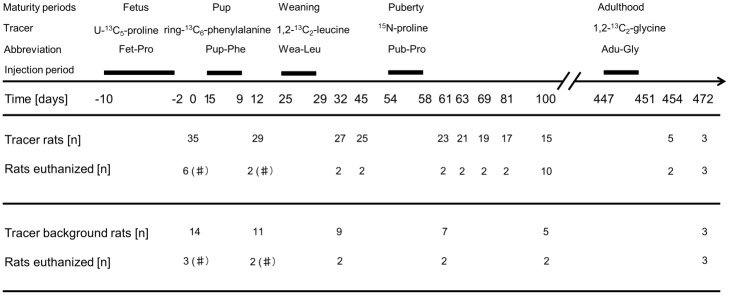
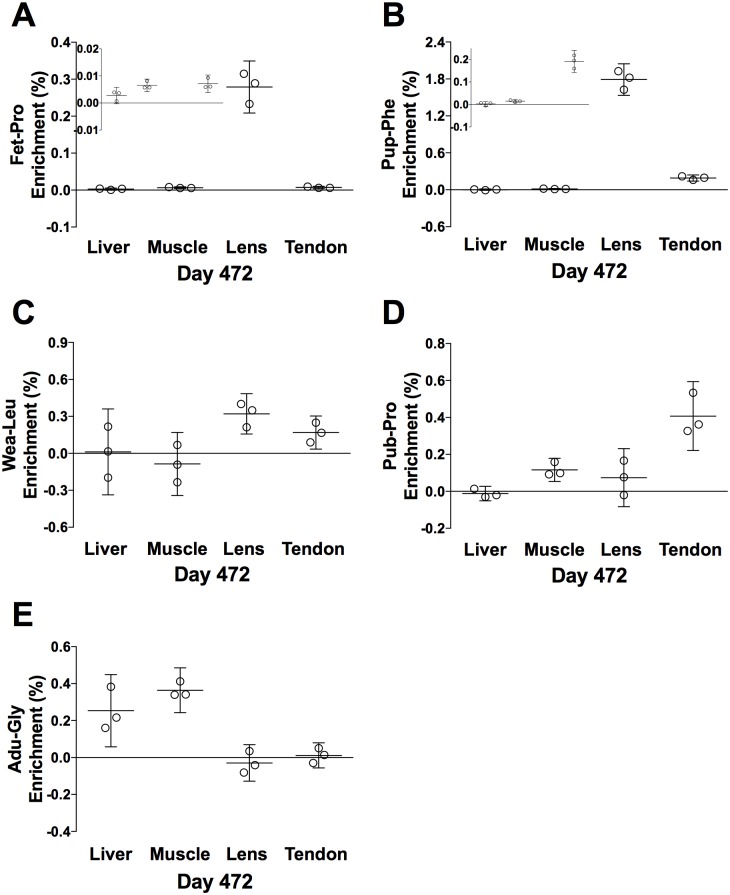
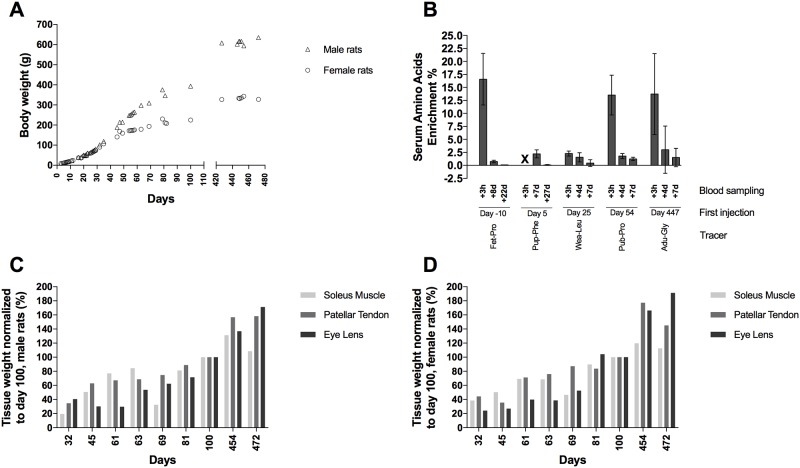
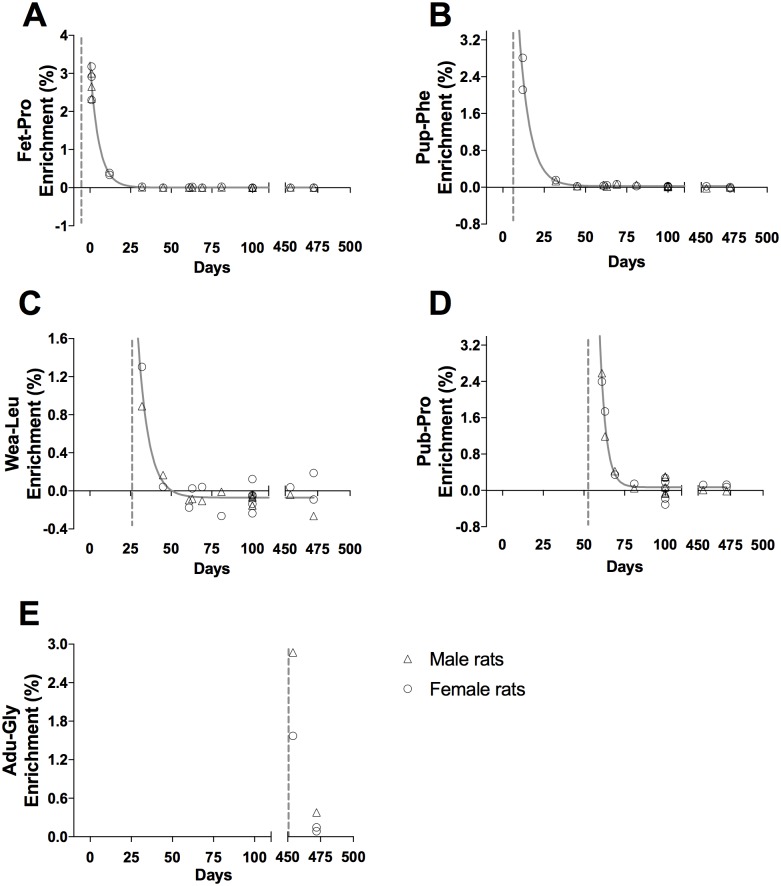
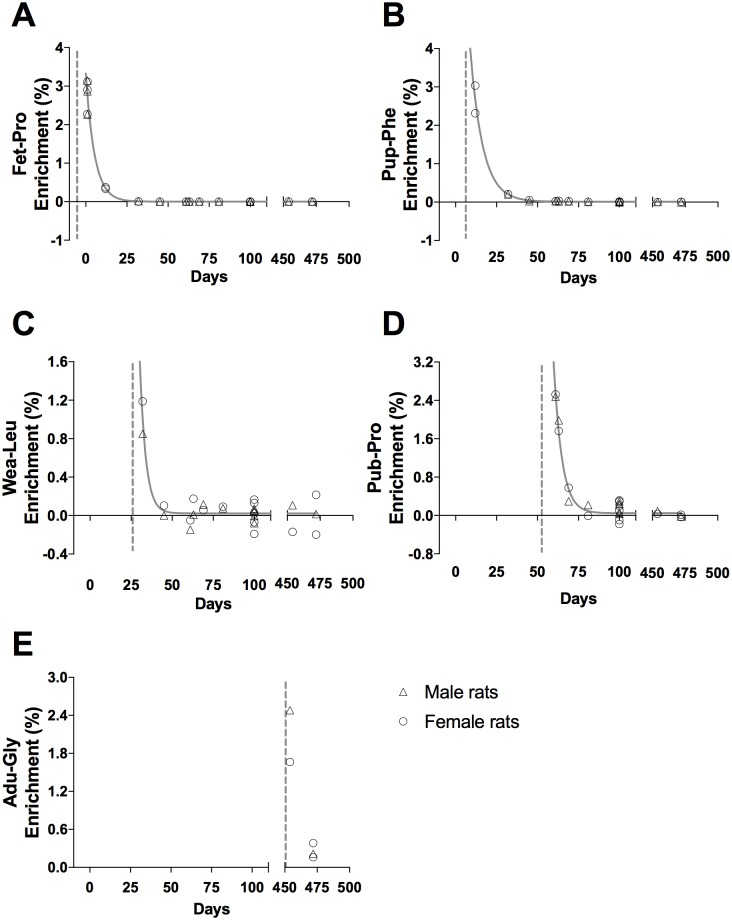
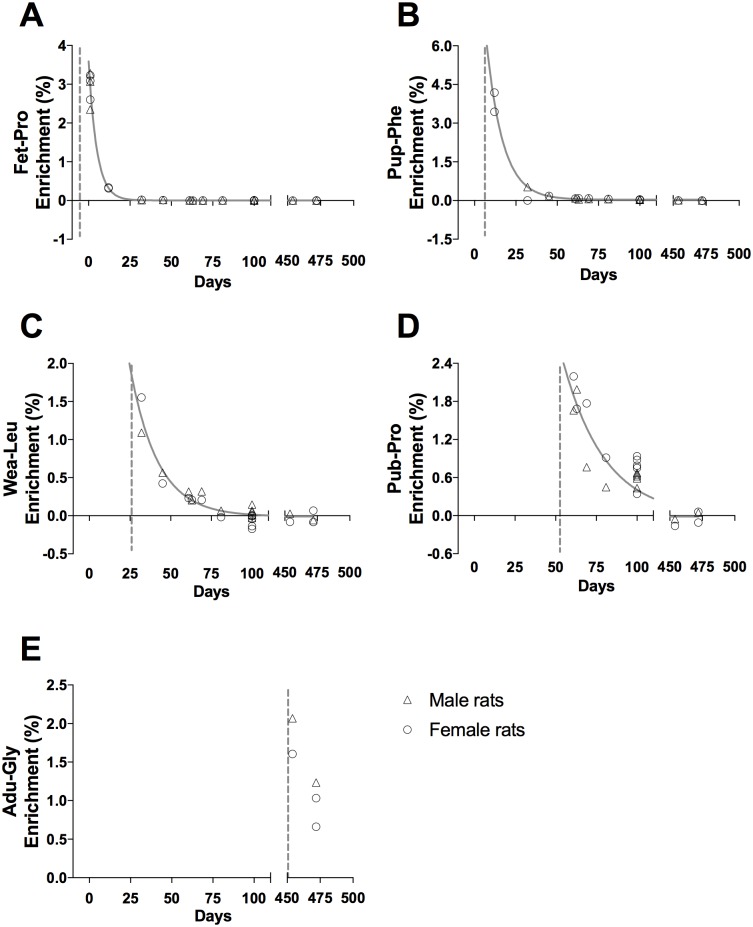
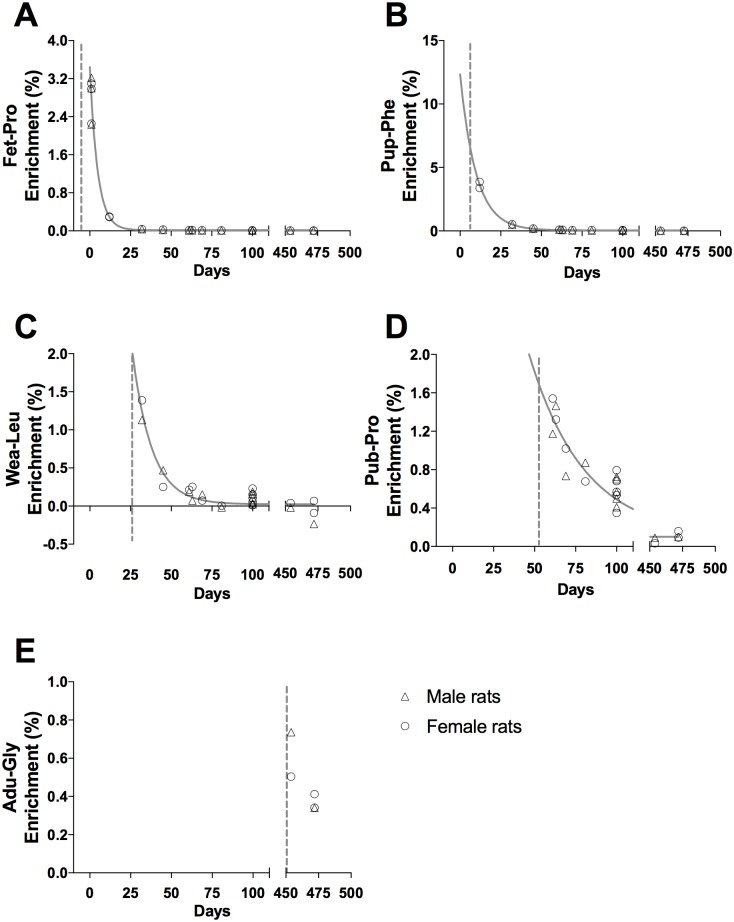
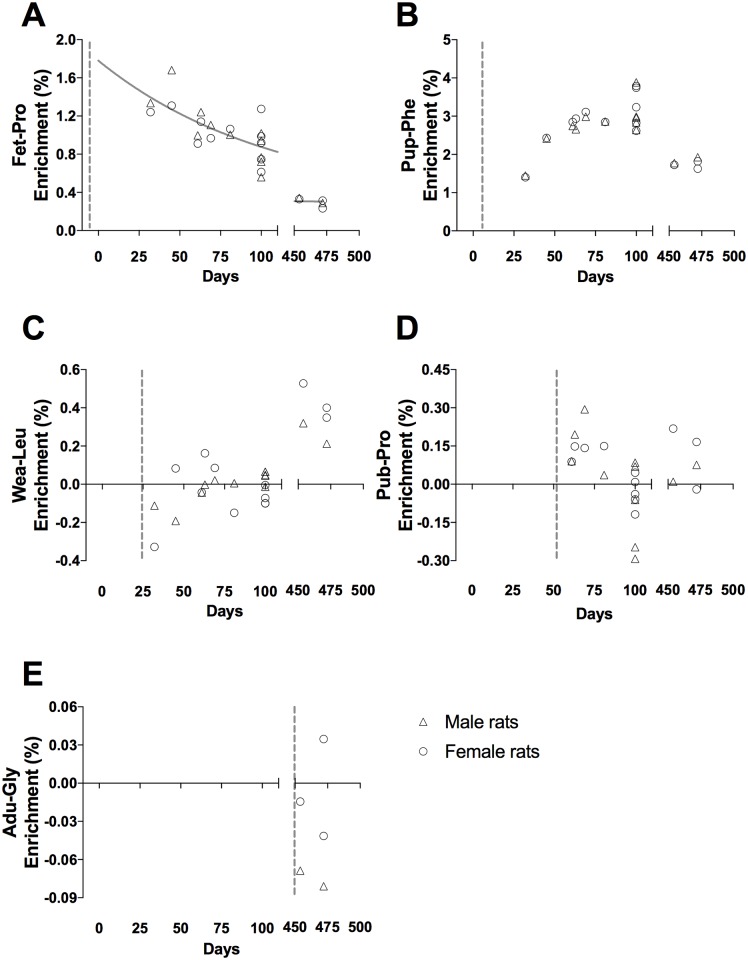
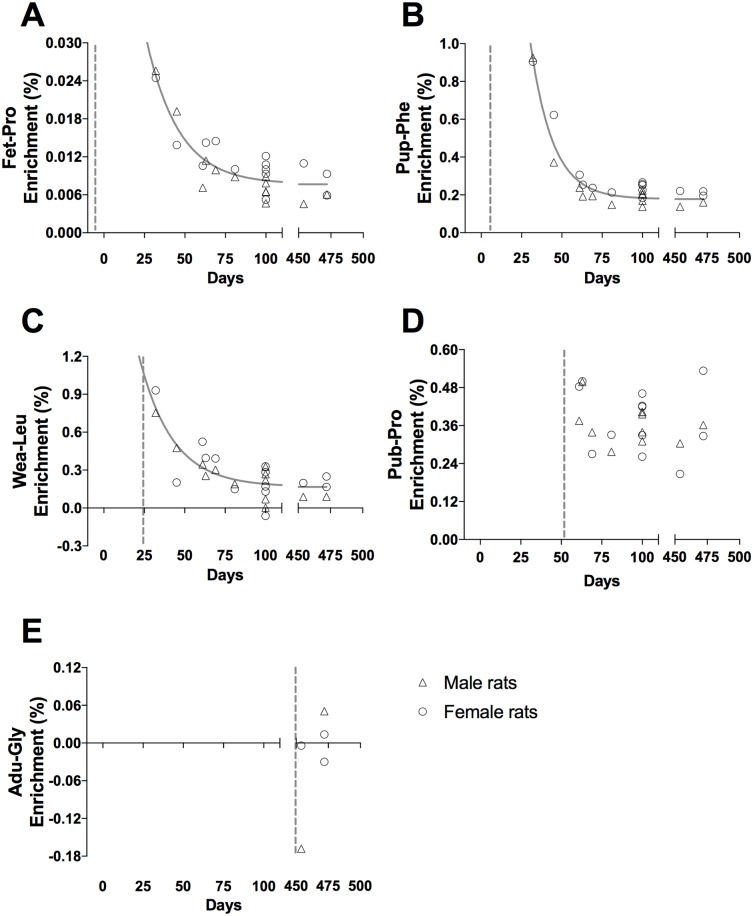
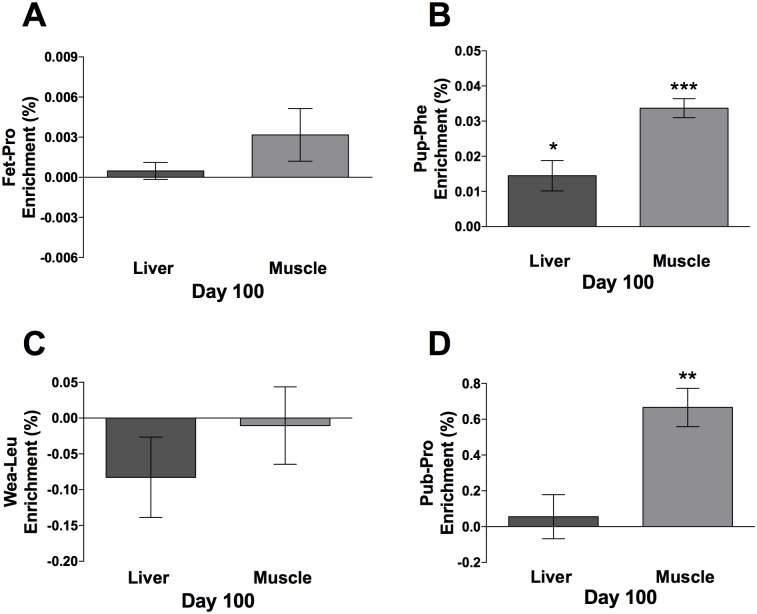
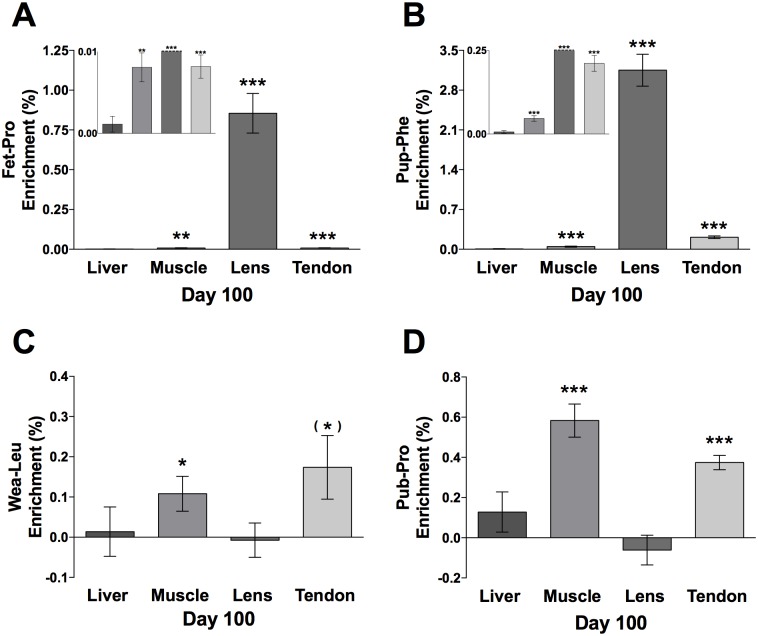
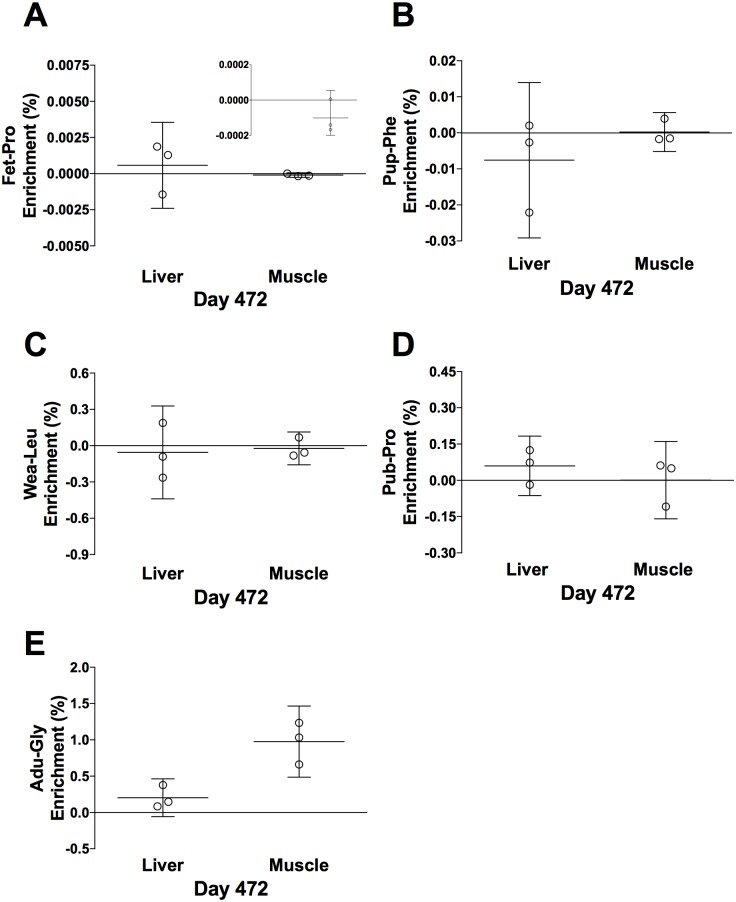
In vivo turnover rates of proteins covering the processes of protein synthesis and breakdown rates have been measured in many tissues and protein pools using various techniques. Connective tissue and collagen protein turnover is of specific interest since existing results are rather diverging. The aim of this study is to investigate whether we can verify the presence of protein pools within the same tissue with very distinct turnover rates over the life-span of rats with special focus on connective tissue. Male and female Lewis rats (n = 35) were injected with five different isotopically labeled amino acids tracers. The tracers were injected during fetal development (Day -10 to -2), after birth (Day 5-9), at weaning (Day 25-32) at puberty (Day 54-58) and at adulthood (Day 447-445). Subgroups of rats were euthanized three days after every injection period, at different time point between injection periods and lastly at day 472. Tissue (liver, muscle, eye lens and patellar tendon) and blood samples were collected after euthanization. The enrichment of the labeled amino acids in the tissue or blood samples was measured using GC-MS-MS. In muscle and liver we demonstrated a rapid decrease of tracer enrichments throughout the rat's life, indicating that myofibrillar and cytoskeleton proteins have a high turnover. In contrast, the connective tissue protein in the eye lens and patellar tendon of the mature rat showed detainment of tracer enrichment injected during fetal development and first living days, indicating very slow turnover. The data support the hypothesis that some proteins synthesized during the early development and growth still exist much later in life of animals and hence has a very slow turnover rate.
利用各种技术,已经在许多组织和蛋白质库中测量了涵盖蛋白质合成和分解速率过程的蛋白质的体内周转率。结缔组织和胶原蛋白的周转特别受关注,因为现有结果差异较大。本研究的目的是调查我们是否能够验证在大鼠的整个生命周期内,同一组织中是否存在周转率截然不同的蛋白质库,特别关注结缔组织。对雄性和雌性Lewis大鼠(n = 35)注射五种不同的同位素标记氨基酸示踪剂。在胎儿发育期间(第-10至-2天)、出生后(第5-9天)、断奶时(第25-32天)、青春期(第54-58天)和成年期(第447-445天)注射示踪剂。在每个注射期后三天、注射期之间的不同时间点以及最后在第472天,对大鼠亚组实施安乐死。安乐死后收集组织(肝脏、肌肉、晶状体和髌腱)和血液样本。使用气相色谱-串联质谱法测量组织或血液样本中标记氨基酸的富集情况。在肌肉和肝脏中,我们证明在大鼠的整个生命过程中示踪剂富集迅速下降,这表明肌原纤维和细胞骨架蛋白的周转率很高。相比之下,成熟大鼠晶状体和髌腱中的结缔组织蛋白显示,在胎儿发育和出生后的最初几天注射的示踪剂富集被滞留,这表明周转率非常缓慢。这些数据支持了这样的假设,即一些在早期发育和生长过程中合成的蛋白质在动物生命后期仍然存在,因此周转率非常缓慢。