Laloy Julie, Lozano Omar, Alpan Lütfiye, Mejia Jorge, Toussaint Olivier, Masereel Bernard, Dogné Jean-Michel, Lucas Stéphane
Namur Nanosafety Centre (NNC), NAmur Research Institute for LIfe Sciences (NARILIS), University of Namur (FUNDP), Rue de Bruxelles 61, B-5000 Namur, Belgium.
Department of Pharmacy, Namur Medicine Drug Innovation Center (NAMEDIC), Belgium.
Toxicol Rep. 2014 May 12;1:172-187. doi: 10.1016/j.toxrep.2014.03.004. eCollection 2014.
Titanium carbide (TiC) is used for ceramic metal composites in several industries and is regarded as a nanomaterial for catalyst and battery applications. However, there are very few studies in regard to the toxicological potential of TiC nanoparticles (NPs).
To study the toxicodynamics and toxicokinetics of TiC NPs in Sprague Dawley rats in acute (24 h) and subacute (28 days) oral administrations. The acute doses were 0.5, 5, 50, 300 and 1000 mg kg; the subacute doses were 0.5 and 50 mg kg.
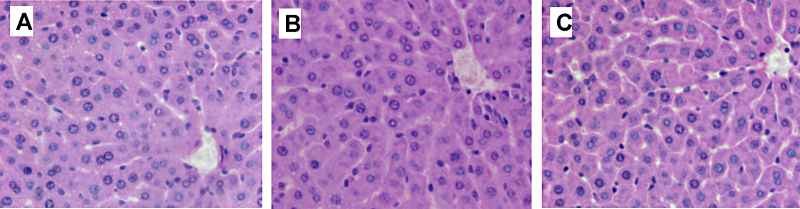
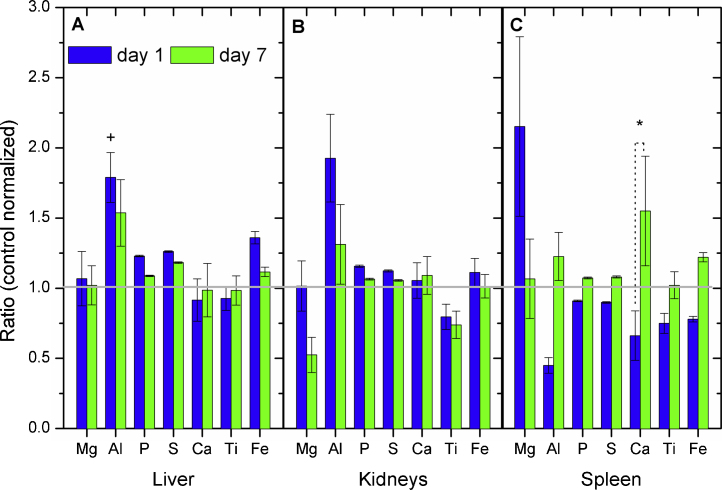
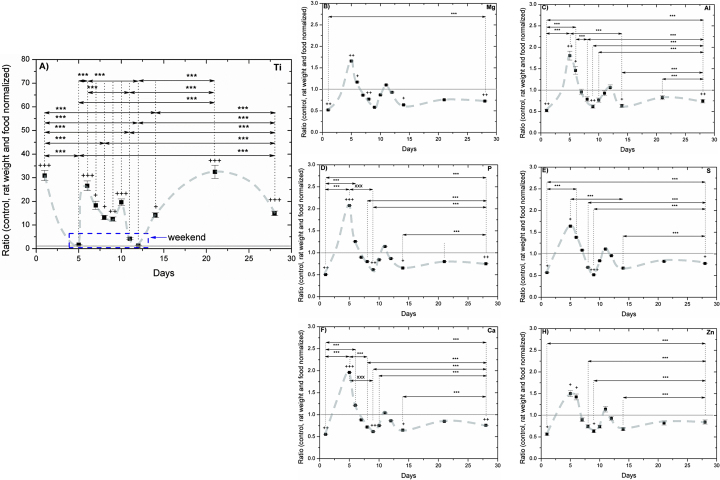
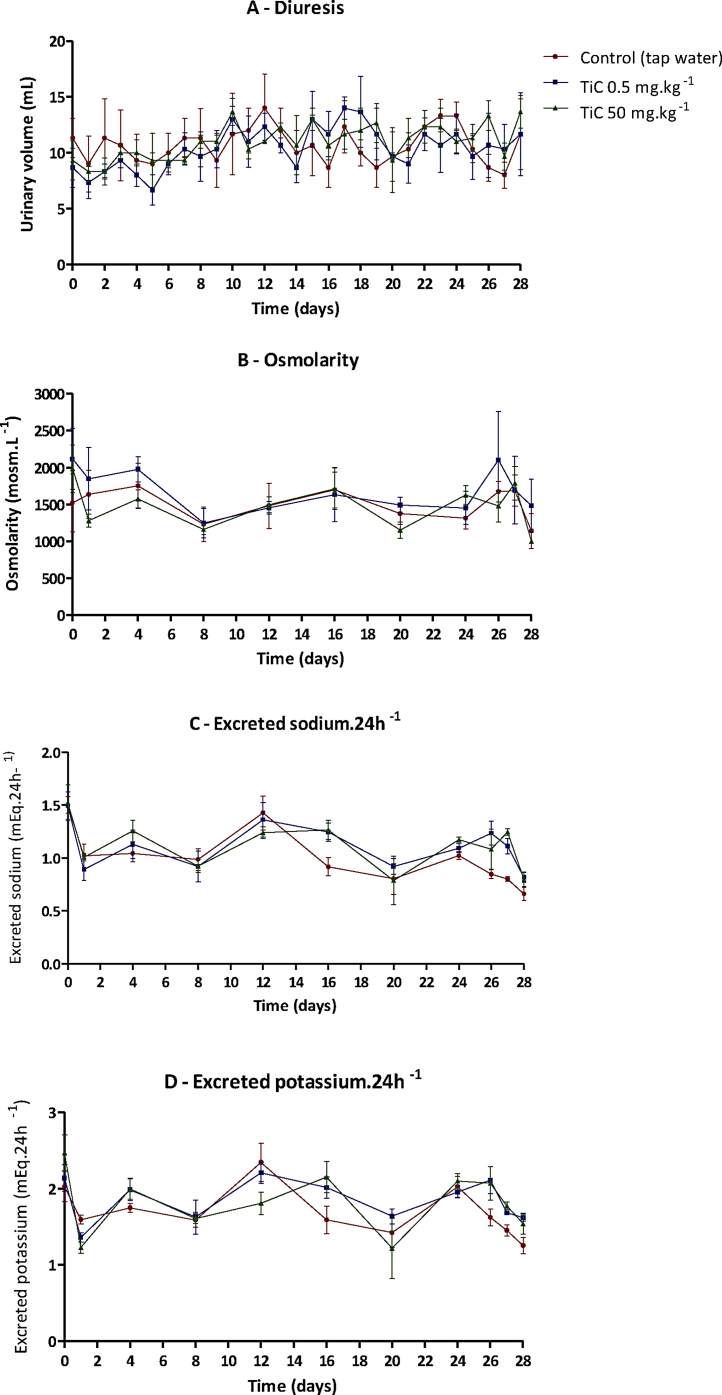
Organ histopathological examination (esophagus, stomach, intestines, spleen, liver, and kidneys) indicates the absence of damage at all applied doses, in both assessments. In the acute administration, alkaline phosphatases increased (5, 300 and 1000 mg kg), ASAT increased (1000 mg kg) and bile salts decreased (0.5 mg kg). No alterations in urine parameters (sodium, potassium, osmolarity) were found. Acute administration of TiC caused mineral changes in organs (liver, spleen, kidneys). TiC was mostly cleared by feces excretion 24 h after administration, in subacute administration causing variations in mineral absorption (Mg, Al, P, S, Ca, Zn). TiC could pass the intestinal barrier as TiC traces were detected in urine.
No sign of toxicity was found after oral administration. TiC was excreted mostly in feces producing mineral absorption alterations. Low traces were retrieved in urine, indicating that TiC can cross the intestinal barrier.
碳化钛(TiC)用于多个行业的陶瓷金属复合材料,被视为用于催化剂和电池应用的纳米材料。然而,关于TiC纳米颗粒(NPs)的毒理学潜力的研究非常少。
研究TiC NPs在急性(24小时)和亚急性(28天)口服给药的Sprague Dawley大鼠中的毒效动力学和毒代动力学。急性剂量为0.5、5、50、300和1000毫克/千克;亚急性剂量为0.5和50毫克/千克。
器官组织病理学检查(食管、胃、肠、脾、肝和肾)表明,在两种评估中,所有应用剂量下均未发现损伤。在急性给药中,碱性磷酸酶升高(5、300和1000毫克/千克),谷草转氨酶升高(1000毫克/千克),胆盐降低(0.5毫克/千克)。未发现尿液参数(钠、钾、渗透压)有变化。急性给予TiC导致器官(肝、脾、肾)中的矿物质变化。给药后24小时,TiC大多通过粪便排泄清除,在亚急性给药中导致矿物质吸收(镁、铝、磷、硫、钙、锌)发生变化。由于在尿液中检测到TiC痕迹,TiC可以穿过肠道屏障。
口服给药后未发现毒性迹象。TiC大多通过粪便排泄,导致矿物质吸收改变。在尿液中检测到少量痕迹,表明TiC可以穿过肠道屏障。