
喀麦隆一种香料的自由基淬灭潜力、对氧化介导的离子毒性的保护特性及高效液相色谱酚类图谱
Free radicals quenching potential, protective properties against oxidative mediated ion toxicity and HPLC phenolic profile of a Cameroonian spice: .
作者信息
Moukette Moukette Bruno, Constant Anatole Pieme, Nya Biapa Cabral Prosper, Njimou Jacques Romain, Ngogang Jeanne Yonkeu
机构信息
Laboratory of Biochemistry, Department of Biochemistry and Physiological Sciences, Faculty of Medicine & Biomedical Sciences, University of Yaoundé I, P.O. Box 1364, Yaoundé, Cameroon.
Laboratory of Medicinal Plant Biochemistry, Food Science and Nutrition, Department of Biochemistry, Faculty of Science, University of Dschang, P.O. Box 67, Dschang, Cameroon.
出版信息
Toxicol Rep. 2015 Feb 17;2:792-805. doi: 10.1016/j.toxrep.2015.02.007. eCollection 2015.
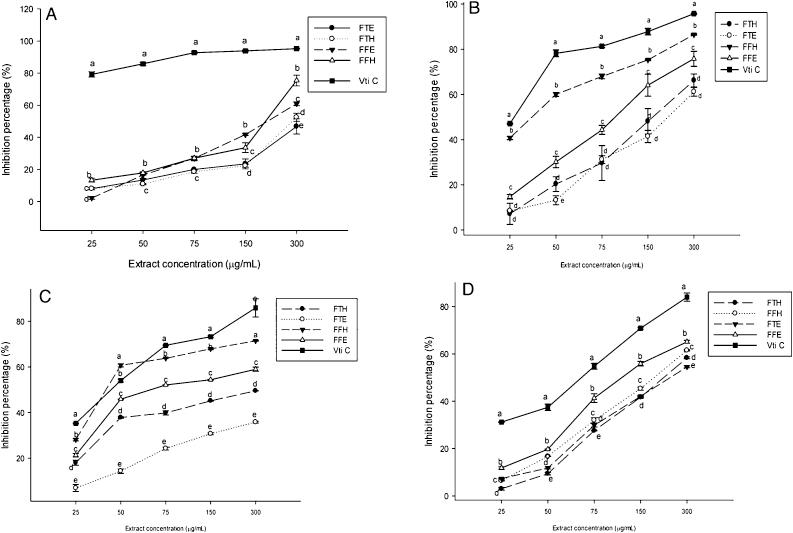
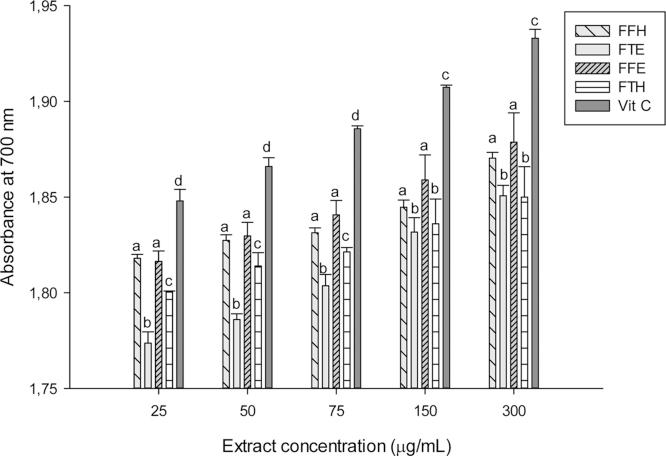
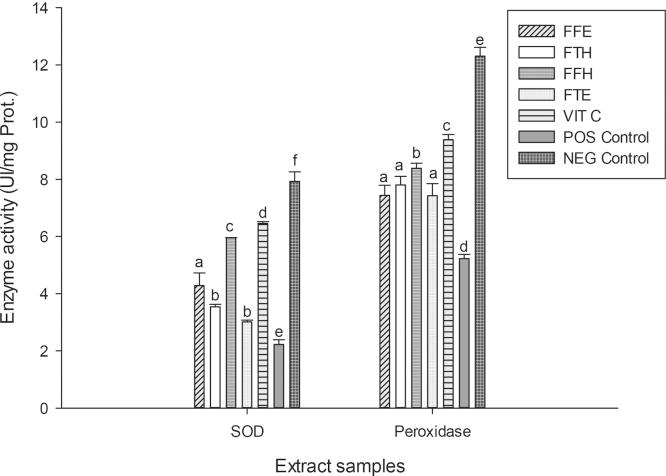
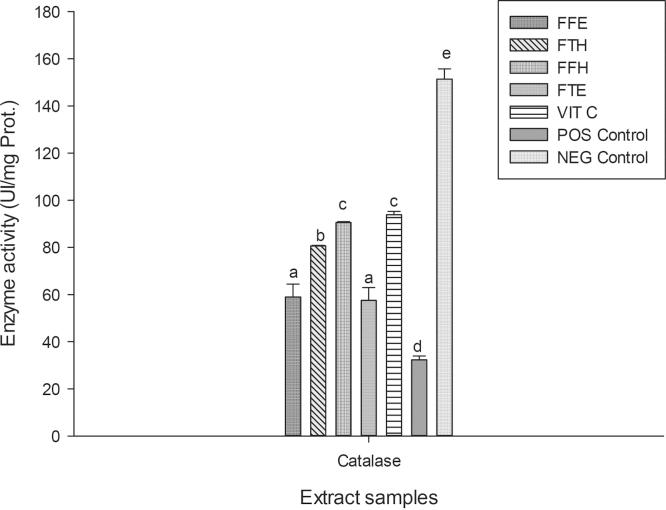
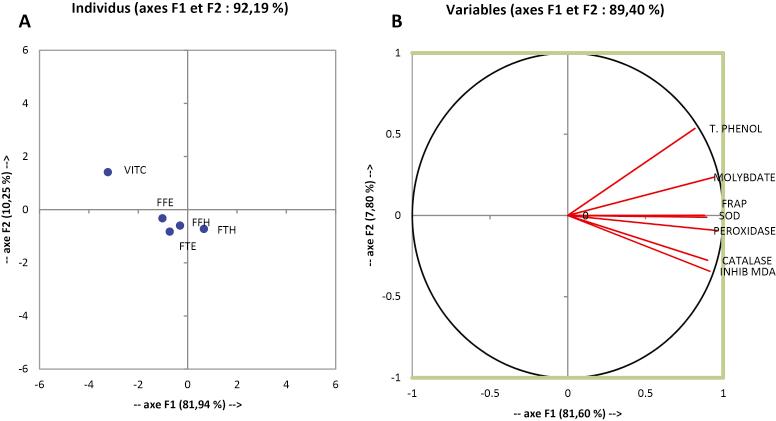
Considerations on antioxidants derived from plants have continuously increased during this decade because of their beneficial effects on human health. In the present study we investigated the free radical scavenging properties of extracts from () and their inhibitory potentials against oxidative mediated ion toxicity. The free radical quenching properties of the extracts against [1,1-diphenyl-2-picrylhydrazyl (DPPH•), 2,2'-azino-bis(3-ethylbenzthiazoline-6-sulphonic acid) (ABTS•), hydroxyl radical (HO•), nitric oxide (NO•)] radical and their antioxidant potentials by FRAP and phosphomolybdenum were determined as well as their protective properties on liver enzymes. The phenolic profile was also investigated by HPLC. The results obtained, revealed that the extracts significantly inhibited the DPPH, NO, HO and ABTS radicals in a concentration depending manner. They also showed a significant ferrous ion chelating ability through FRAP and phosphomolybdenum antioxidant potential. Their polyphenol contents varied depending on the type of extracts and the solvent used. The hydroethanolic extracts (FFH) and the ethanolic extracts (FFE) of leaves showed the higher level of phenolic compounds respectively of 21.62 ± 0.06 mg caffeic acid/g dried extract (CAE/g DE) and 19.01 ± 0.03 CAE/g DE. The HPLC phenolic compounds profile revealed a higher quantity of Eugenol, quercetin, rutin and catechin in the stem than in the leaves. The presence of these molecules could be responsible of the protective potentials of extracts against lipid peroxidation and SOD, catalase and peroxidase. In conclusion, extracts demonstrated significant antioxidant property and may be used as a prospective protector against metal related toxicity.
由于植物来源的抗氧化剂对人类健康有益,在过去十年中,对其的研究持续增加。在本研究中,我们调查了()提取物的自由基清除特性及其对氧化介导的离子毒性的抑制潜力。测定了提取物对[1,1-二苯基-2-苦基肼自由基(DPPH•)、2,2'-偶氮双(3-乙基苯并噻唑啉-6-磺酸)自由基(ABTS•)、羟基自由基(HO•)、一氧化氮自由基(NO•)]的自由基猝灭特性及其通过铁还原抗氧化能力(FRAP)和磷钼酸法测定的抗氧化潜力,以及它们对肝脏酶的保护特性。还通过高效液相色谱法(HPLC)研究了酚类成分。所得结果表明,提取物以浓度依赖的方式显著抑制DPPH、NO、HO和ABTS自由基。它们还通过FRAP和磷钼酸抗氧化潜力显示出显著的亚铁离子螯合能力。其多酚含量因提取物类型和所用溶剂而异。()叶的水乙醇提取物(FFH)和乙醇提取物(FFE)分别显示出较高水平的酚类化合物,分别为21.62±0.06毫克咖啡酸/克干提取物(CAE/克DE)和19.01±0.03 CAE/克DE。HPLC酚类化合物谱显示,茎中的丁香酚、槲皮素、芦丁和儿茶素含量高于叶。这些分子的存在可能是()提取物对脂质过氧化以及超氧化物歧化酶(SOD)、过氧化氢酶和过氧化物酶具有保护潜力的原因。总之,()提取物表现出显著的抗氧化特性,可作为预防金属相关毒性的潜在保护剂。




 Zotero 插件