Nutrition Department, High Institute of Public Health, Alexandria University, 165 El-Horreya Ave. El-Hadara, Alexandria, Egypt.
Central Laboratories, High Institute of Public Health, Alexandria University, Alexandria, Egypt.
Sci Rep. 2023 Sep 16;13(1):15359. doi: 10.1038/s41598-023-42084-3.
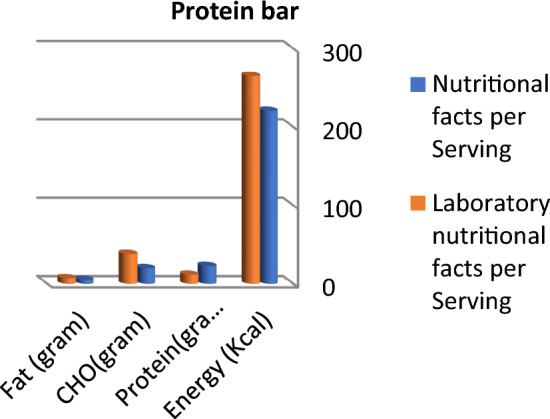
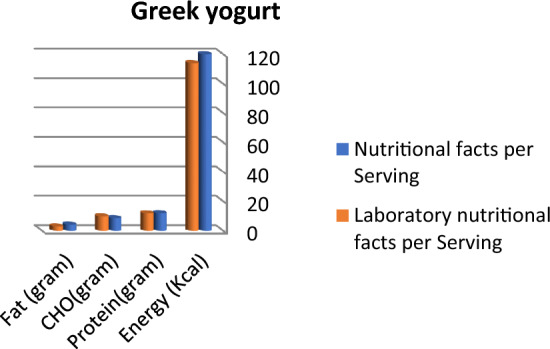
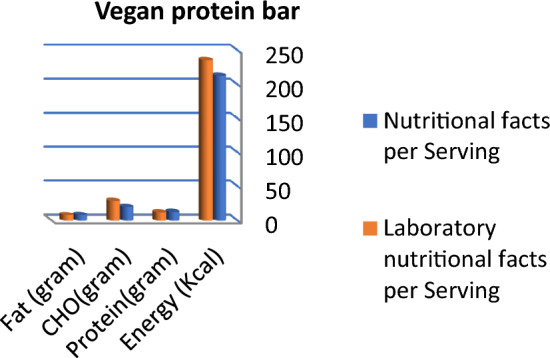
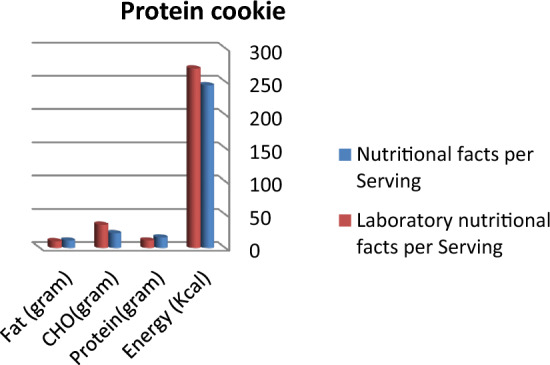
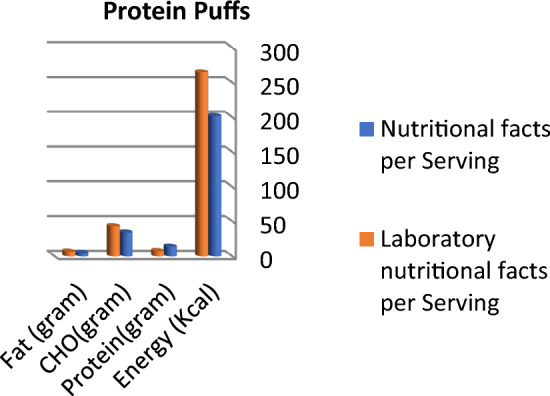
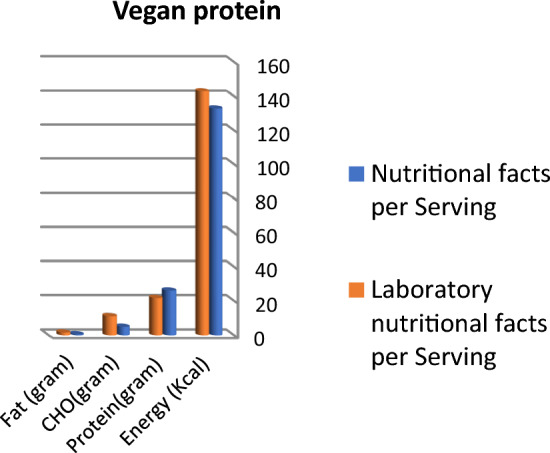
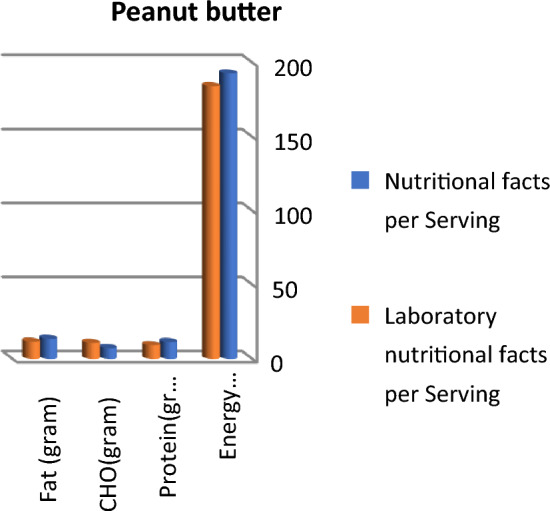
The popularity of high-protein sports food items among athletes and the bodybuilding community has risen dramatically. This study aimed to authenticate the reported per serving food label content of protein, fat, carbohydrate, and total energy in commercially available high-protein sports foods available in Egyptian markets. A cross-sectional study was performed on a total of forty-five samples of nine products that included protein bars, cookies, vegan bars, puffs, whey protein, protein drinks, peanut butter, pancake mix, and Greek yogurt. Protein and fat analysis were done according to Kheldahl and Folich methods, respectively, while carbohydrate was calculated by difference. Total energy was calculated according to their content. A significant (p < 0.001) difference was found between the laboratory-assessed content and the reported food label values in protein, carbohydrate, and energy. Protein sport food products had significantly lower protein content (11.6 ± 4.67) obtained from laboratory measurement than the label reported value (17.17 ± 7.22). The fat content in vegan protein was 149.3% higher than the label values (1.67 vs. 0.67 g/serving). The mean fat content per serving of 30 out of 45 samples was significantly higher than the food label values in the bar (37.8%), puffs (32.7%), vegan protein (149.3%), and protein drinks (28.6%). These differences may result in compromised performance and undesired fat gain, as opposed to a desired increase in muscle mass, which could compromise the desired impact of the consumed sports foods.
高蛋白运动食品在运动员和健身群体中的受欢迎程度急剧上升。本研究旨在验证市售高蛋白运动食品在商业上的每一份食品标签所报告的蛋白质、脂肪、碳水化合物和总能量的实际含量。对包括蛋白棒、饼干、素食棒、泡芙、乳清蛋白粉、蛋白饮料、花生酱、薄饼混合料和希腊酸奶在内的 9 种产品的 45 个样本进行了横断面研究。蛋白质和脂肪分析分别按照凯氏定氮法和 Folich 法进行,而碳水化合物则通过差值计算。总能量根据其含量计算。实验室评估的含量与报告的食品标签值在蛋白质、碳水化合物和能量方面存在显著差异(p<0.001)。与标签报告值(17.17±7.22)相比,蛋白质运动食品产品的实验室测量值的蛋白质含量(11.6±4.67)显著较低。素食蛋白中的脂肪含量比标签值高 149.3%(1.67 比 0.67 g/份)。45 个样本中有 30 个样本的每份脂肪含量明显高于标签值,包括棒(37.8%)、泡芙(32.7%)、素食蛋白(149.3%)和蛋白饮料(28.6%)。这些差异可能导致运动表现下降和不必要的脂肪增加,而不是理想的肌肉质量增加,从而影响所消耗运动食品的预期效果。