Department of Pharmacology, Therapeutics and Toxicology, College of Medicine, University of Lagos, Lagos, Nigeria.
Department of Pharmacology and Toxicology, Faculty of Pharmaceutical Sciences, University of Jos, Jos, Nigeria.
Pharmacol Res Perspect. 2017 Oct;5(5). doi: 10.1002/prp2.360.
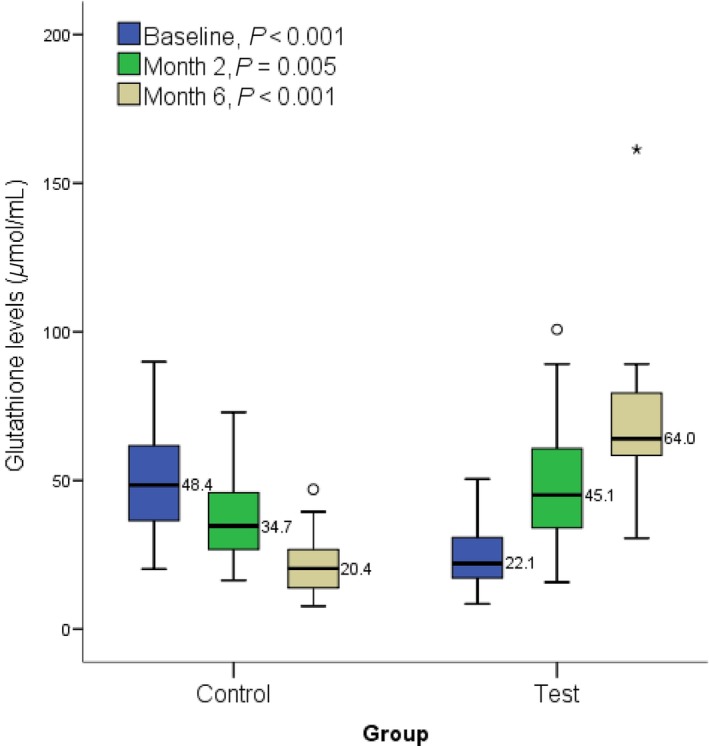
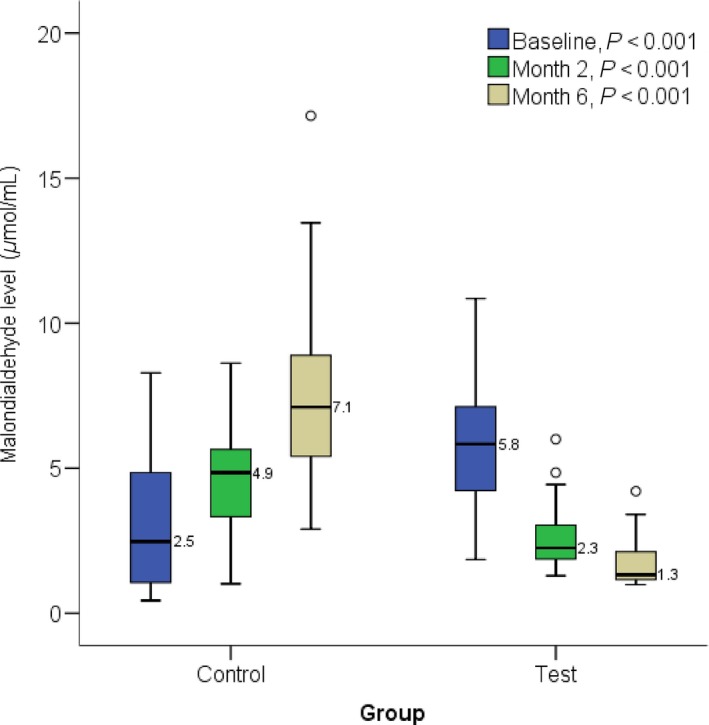
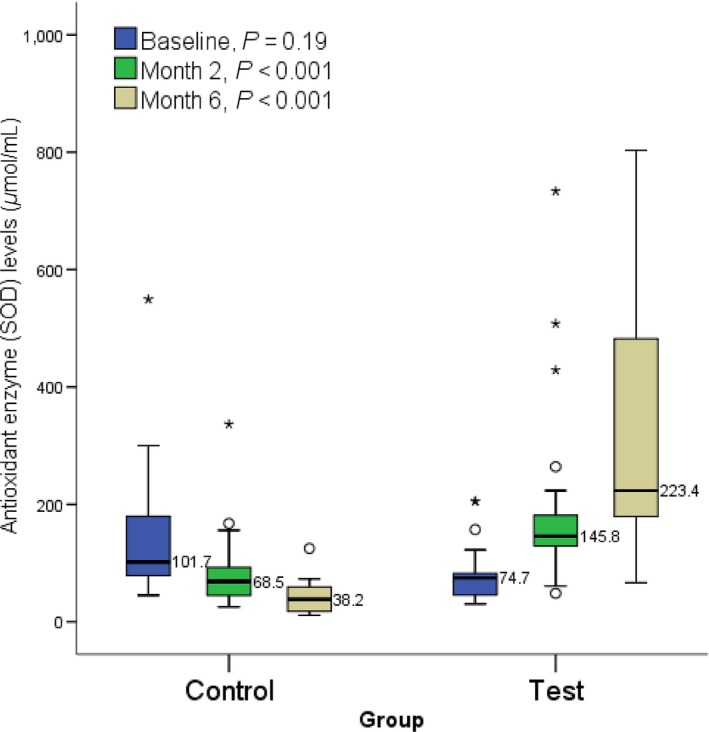
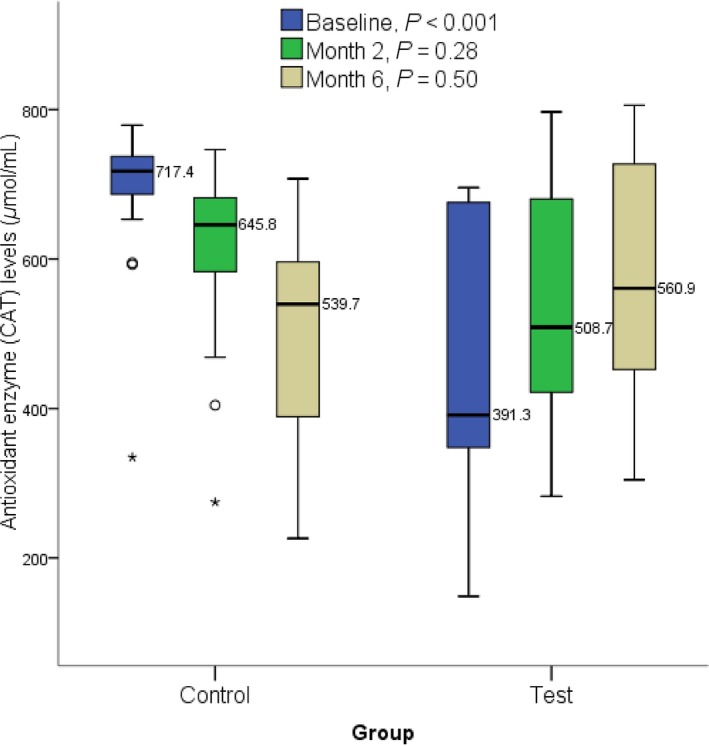
Tuberculosis therapy utilizes drugs that while effective cause treatment-related toxicity. Modulation of antitubercular drugs-induced toxicity by methionine and vitamin B-complex in patients was evaluated. 285 treatment-naïve tuberculosis patients at the Chest Clinics of Infectious Diseases Hospital, Yaba and General Hospital, Lagos in Lagos, Nigeria was prospectively recruited and allotted into test (antitubercular medicines, methionine and vitamin B-complex) and control groups (antitubercular medicines). Data on adverse drug reactions and blood samples were collected at initiation, 2 months and 6 months, and then analyzed. Red blood cells and packed cell volume were significantly higher (P < 0.05) in the test group compared to control at 6 months of therapy. At the end of 2 months, results showed a significant decrease (P < 0.001) in aspartate aminotransferase, alkaline phosphatase, alanine aminotransferase, urea, creatinine and total bilirubin in the test group compared to control. Reduced glutathione and superoxide dismutase were significantly increased (P < 0.001) and malondialdehyde significantly decreased (P < 0.001) in the test versus control groups at the end of 2 and 6 months. Adverse drug reactions were significantly lower (P < 0.001) in the test group (32.4%) compared to control group (56.2%), with 1 death. Hepatotoxicity was significantly higher (P = 0.026) in control (6.9%), compared to test group (0%). Alcohol and cigarette smoking were significantly (P = 0.019 and P = 0.027) associated with the occurrence of adverse drug reactions. Methionine and vitamin B-complex modulated hepatic, renal, hematological, antioxidant indices and adverse effects in patients administered antitubercular medicines. Such interventions can enhance compliance and better treatment outcomes in tuberculosis patients.
结核病治疗采用的药物虽然有效,但会引起治疗相关的毒性。本研究评估了蛋氨酸和维生素 B 复合物对结核病患者抗结核药物诱导的毒性的调节作用。在尼日利亚拉各斯的雅巴传染病医院和拉各斯总医院的胸科诊所,前瞻性招募了 285 例初治结核病患者,并将其分配到试验组(抗结核药物、蛋氨酸和维生素 B 复合物)和对照组(抗结核药物)。在开始治疗、2 个月和 6 个月时收集药物不良反应和血液样本数据,然后进行分析。治疗 6 个月时,试验组的红细胞和红细胞压积明显高于对照组(P<0.05)。治疗 2 个月时,试验组的天冬氨酸氨基转移酶、碱性磷酸酶、丙氨酸氨基转移酶、尿素、肌酐和总胆红素显著降低(P<0.001),而对照组则无显著变化。与对照组相比,试验组在治疗 2 个月和 6 个月时,还原型谷胱甘肽和超氧化物歧化酶显著增加(P<0.001),丙二醛显著降低(P<0.001)。与对照组相比,试验组的药物不良反应发生率明显较低(P<0.001)(32.4%),而对照组则较高(56.2%),对照组有 1 例死亡。对照组(6.9%)的肝毒性显著高于试验组(0%)(P=0.026)。饮酒和吸烟与药物不良反应的发生显著相关(P=0.019 和 P=0.027)。蛋氨酸和维生素 B 复合物调节了接受抗结核药物治疗的患者的肝、肾、血液学、抗氧化指标和不良反应。这些干预措施可以提高结核病患者的依从性和治疗效果。