Zabek Adam, Paslawski Robert, Paslawska Urszula, Wojtowicz Wojciech, Drozdz Katarzyna, Polakof Sergio, Podhorska Marzena, Dziegiel Piotr, Mlynarz Piotr, Szuba Andrzej
Bioorganic Chemistry Group, Department of Chemistry, Wroclaw University of Technology, Wyb. Wspianskiego, Wroclaw, Poland.
WROVASC-Regional Specialist Hospital in Wroclaw, Research and Development Centre, Kamienskiego, Wroclaw, Poland.
PLoS One. 2017 Oct 9;12(10):e0184798. doi: 10.1371/journal.pone.0184798. eCollection 2017.
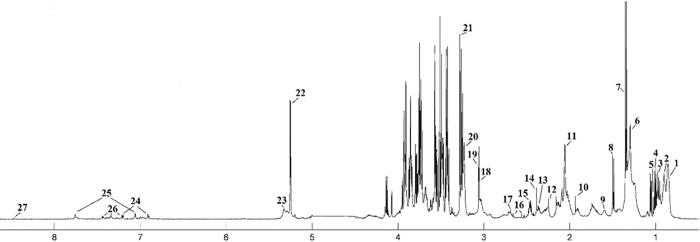
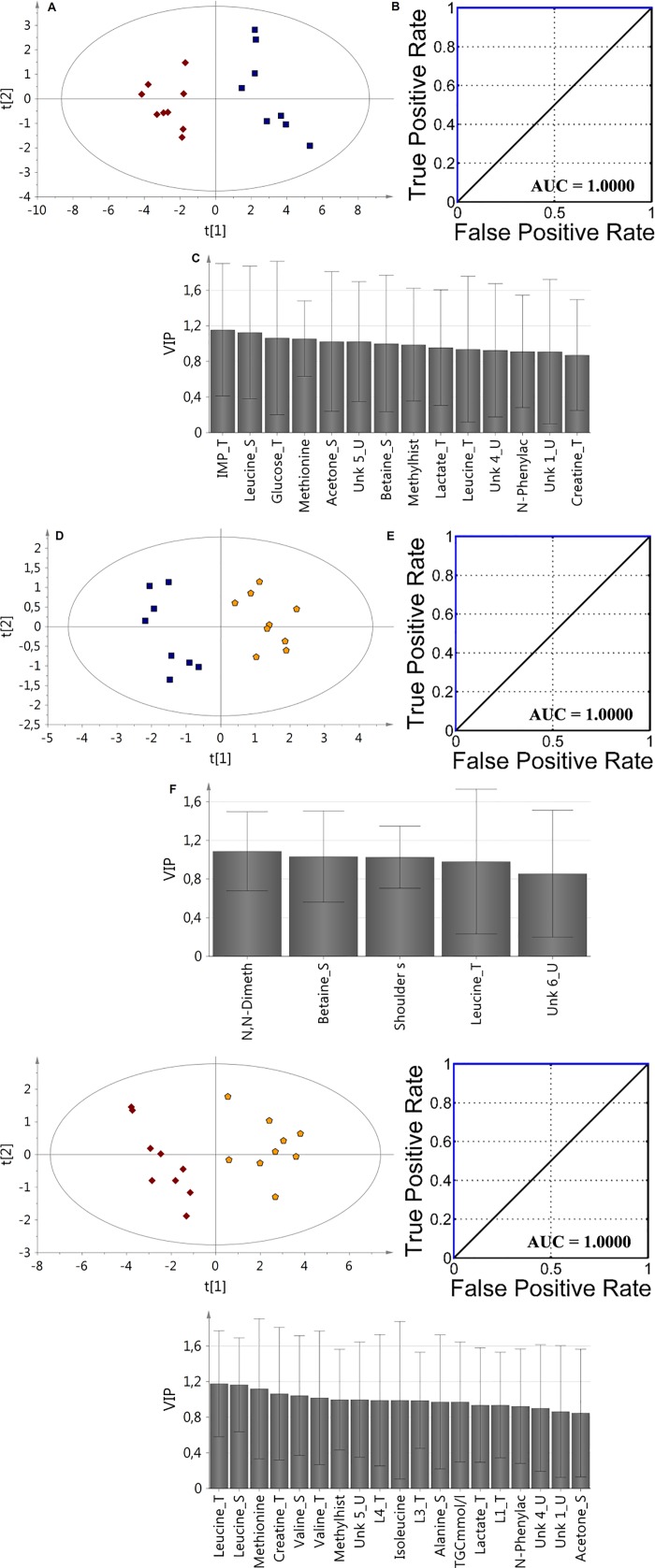
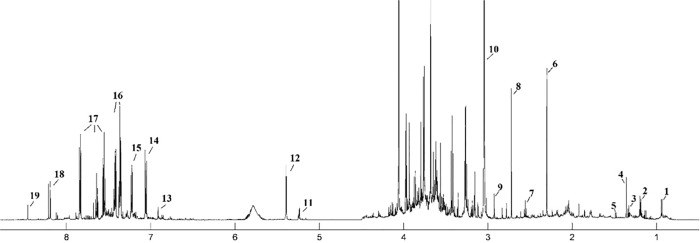
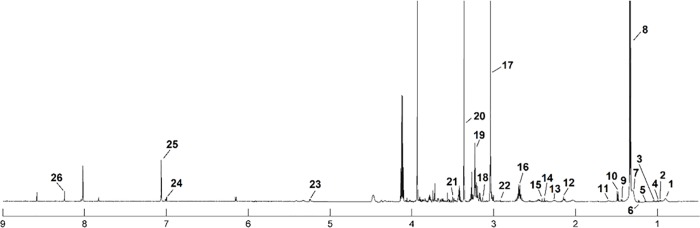
The global epidemic of cardiovascular diseases leads to increased morbidity and mortality caused mainly by myocardial infarction and stroke. Atherosclerosis is the major pathological process behind this epidemic. We designed a novel model of atherosclerosis in swine. Briefly, the first group (11 pigs) received normal pig feed (balanced diet group-BDG) for 12 months, the second group (9 pigs) was fed a Western high-calorie diet (unbalanced diet group-UDG) for 12 months, the third group (8 pigs) received a Western type high-calorie diet for 9 months later replaced by a normal diet for 3 months (regression group-RG). Clinical measurements included zoometric data, arterial blood pressure, heart rate and ultrasonographic evaluation of femoral arteries. Then, the animals were sacrificed and the blood serum, urine and skeletal muscle tissue were collected and 1H NMR based metabolomics studies with the application of fingerprinting PLS-DA and univariate analysis were done. Our results have shown that the molecular disturbances might overlap with other diseases such as onset of diabetes, sleep apnea and other obesity accompanied diseases. Moreover, we revealed that once initiated, molecular changes did not return to homeostatic equilibrium, at least for the duration of this experiment.
全球心血管疾病的流行导致发病率和死亡率上升,主要原因是心肌梗死和中风。动脉粥样硬化是这一流行背后的主要病理过程。我们设计了一种新型的猪动脉粥样硬化模型。简而言之,第一组(11头猪)接受正常猪饲料(均衡饮食组-BDG)12个月,第二组(9头猪)喂食西方高热量饮食(不均衡饮食组-UDG)12个月,第三组(8头猪)先接受西方高热量饮食9个月,后改为正常饮食3个月(回归组-RG)。临床测量包括动物测量数据、动脉血压、心率以及股动脉的超声评估。然后,处死动物并收集血清、尿液和骨骼肌组织,进行基于1H NMR的代谢组学研究,并应用指纹图谱PLS-DA和单变量分析。我们的结果表明,分子紊乱可能与其他疾病重叠,如糖尿病、睡眠呼吸暂停和其他肥胖相关疾病。此外,我们还发现,一旦开始,分子变化至少在本实验期间不会恢复到稳态平衡。