Veljović Katarina, Popović Nikola, Miljković Marija, Tolinački Maja, Terzić-Vidojević Amarela, Kojić Milan
Institute of Molecular Genetics and Genetic Engineering, University of Belgrade, Belgrade, Serbia.
Front Microbiol. 2017 Sep 26;8:1843. doi: 10.3389/fmicb.2017.01843. eCollection 2017.
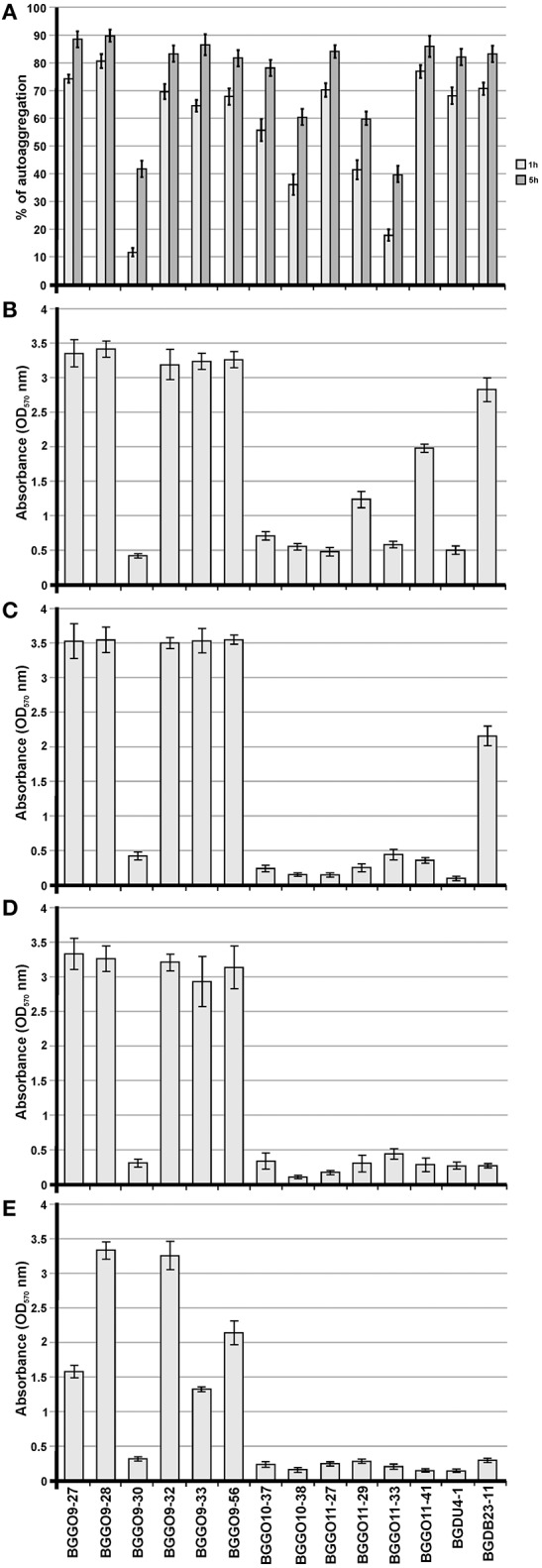
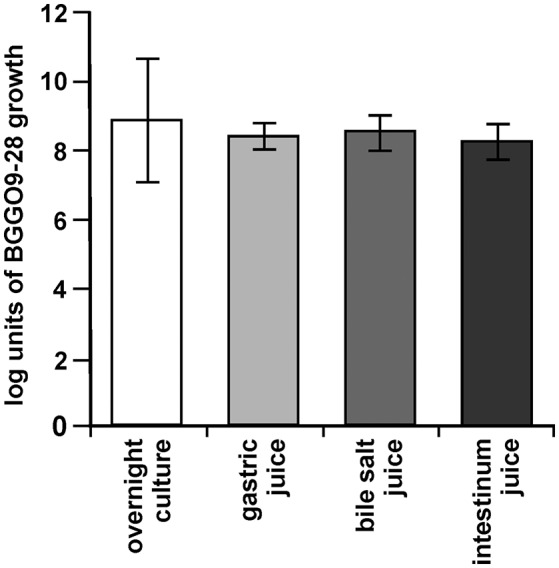
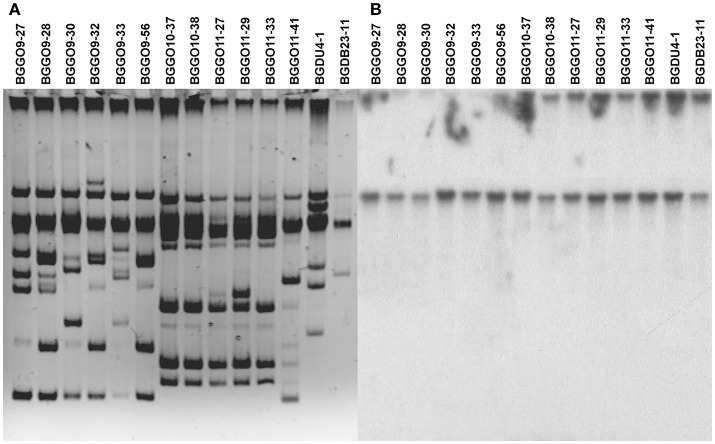
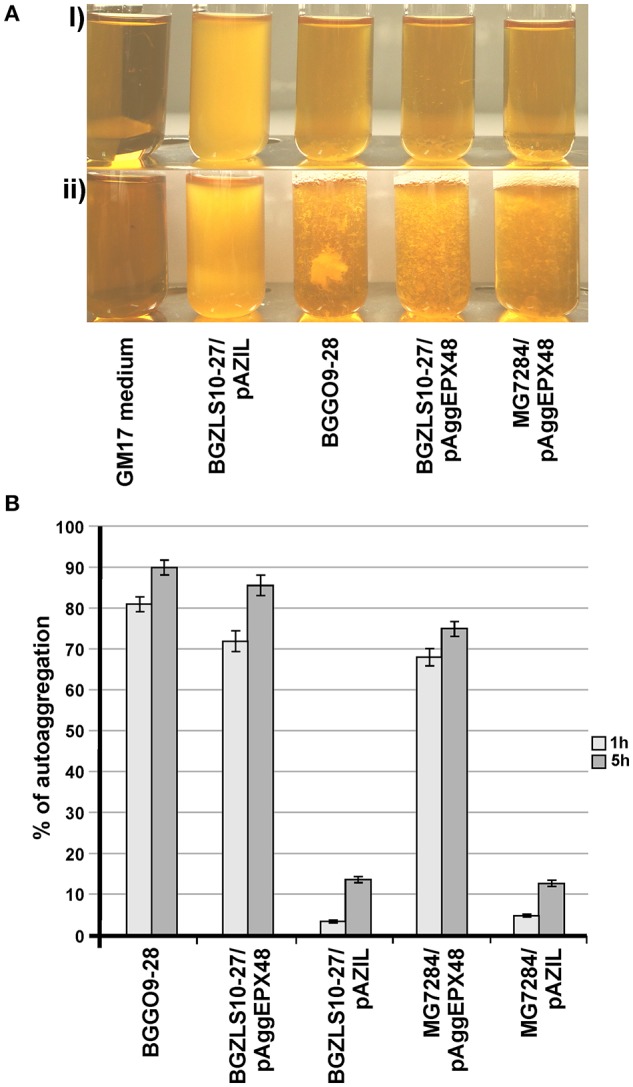
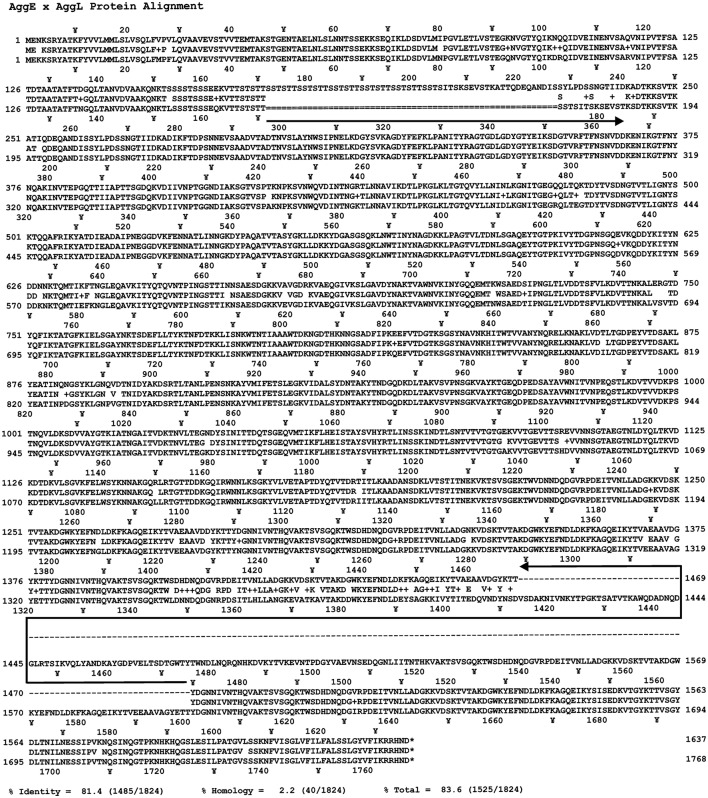
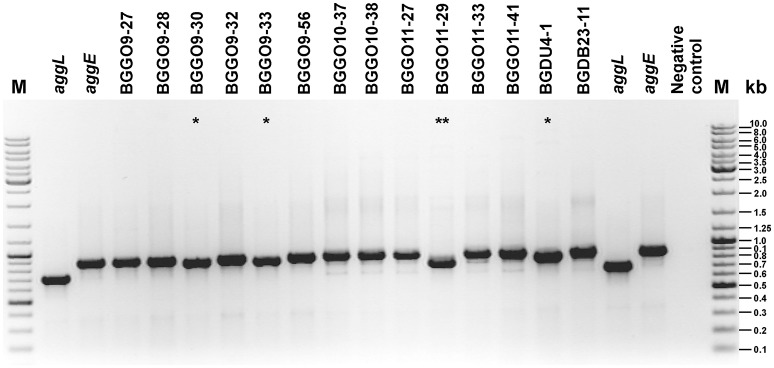
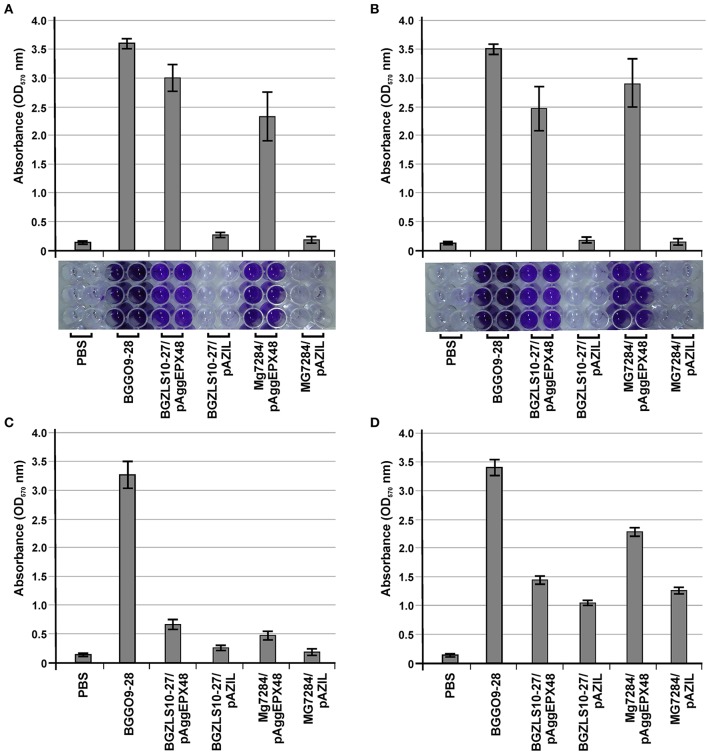
The understanding of mechanisms of interactions between various bacterial cell surface proteins and host receptors has become imperative for the study of the health promoting features of probiotic enterococci. This study, for the first time, describes a novel enterococcal aggregation protein, AggE, from BGGO9-28, selected from a laboratory collection of enterococcal isolates with auto-aggregation phenotypes. Among them, BGGO9-28 showed the strongest auto-aggregation, adhesion to components of ECM and biofilm formation. Novel aggregation promoting factor AggE, a protein of 178.1 kDa, belongs to the collagen-binding superfamily of proteins and shares similar architecture with previously discovered aggregation factors from lactic acid bacteria (LAB). Its expression in heterologous enterococcal and lactococcal hosts demonstrates that the gene is sufficient for cell aggregation. The derivatives carrying exhibited the ten times higher adhesion ability to collagen and fibronectin, possess about two times higher adhesion to mucin and contribute to the increase of biofilm formation, comparing to the control strains. Analysis for the presence of virulence factors (cytolysin and gelatinase production), antibiotic resistance (antibiotic susceptibility) and genes ( , and ) showed that BGGO9-28 was sensitive to all tested antibiotics, without hemolytic or gelatinase activity. This strain does not carry any of the tested genes encoding for known virulence factors. Results showed that BGGO9-28 was resistant to low pH and high concentrations of bile salts. Also, it adhered strongly to the Caco-2 human epithelial cell line. In conclusion, the results of this study indicate that the presence of AggE protein on the cell surface in enterococci is a desirable probiotic feature.
了解各种细菌细胞表面蛋白与宿主受体之间的相互作用机制,对于研究益生菌肠球菌的健康促进特性至关重要。本研究首次描述了一种来自BGGO9 - 28的新型肠球菌聚集蛋白AggE,该菌株是从具有自聚集表型的肠球菌分离株实验室菌株库中筛选出来的。其中,BGGO9 - 28表现出最强的自聚集、对细胞外基质成分的粘附和生物膜形成能力。新型聚集促进因子AggE是一种178.1 kDa的蛋白质,属于胶原蛋白结合蛋白超家族,与先前发现的乳酸菌(LAB)聚集因子具有相似的结构。它在异源肠球菌和乳球菌宿主中的表达表明该基因足以促进细胞聚集。与对照菌株相比,携带该基因的衍生物对胶原蛋白和纤连蛋白的粘附能力高十倍,对粘蛋白的粘附能力约高两倍,并有助于生物膜形成的增加。对毒力因子(细胞溶素和明胶酶产生)、抗生素抗性(抗生素敏感性)和基因( 、 和 )的分析表明,BGGO9 - 28对所有测试抗生素敏感,无溶血或明胶酶活性。该菌株不携带任何测试的已知毒力因子编码基因。结果表明,BGGO9 - 28对低pH和高浓度胆盐具有抗性。此外,它还能强烈粘附于Caco - 2人上皮细胞系。总之,本研究结果表明肠球菌细胞表面存在AggE蛋白是一种理想的益生菌特性。