Liu Yudong, Huang Wei, Xian Zhiqiang, Hu Nan, Lin Dongbo, Ren Hua, Chen Jingxuan, Su Deding, Li Zhengguo
School of Life Sciences, Chongqing University, Chongqing, China.
Front Plant Sci. 2017 Sep 26;8:1659. doi: 10.3389/fpls.2017.01659. eCollection 2017.
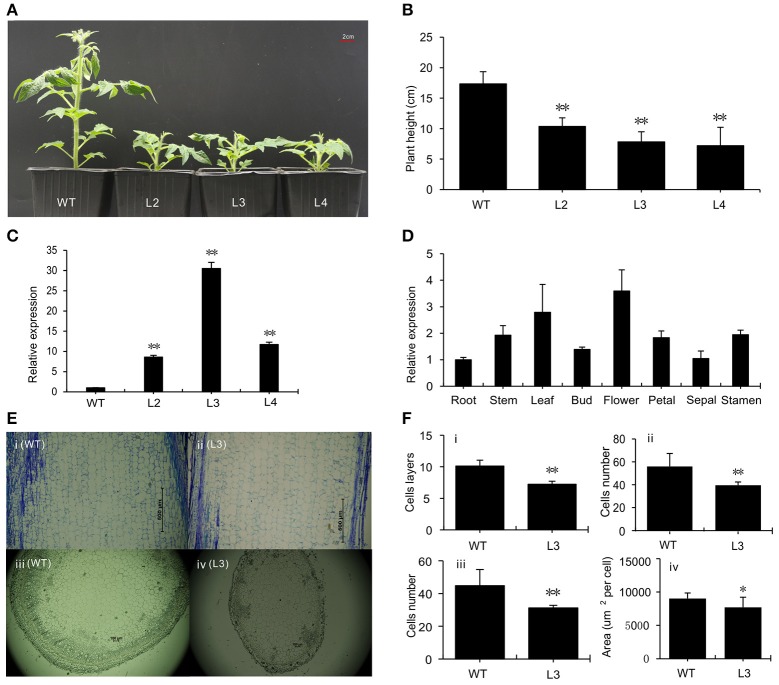
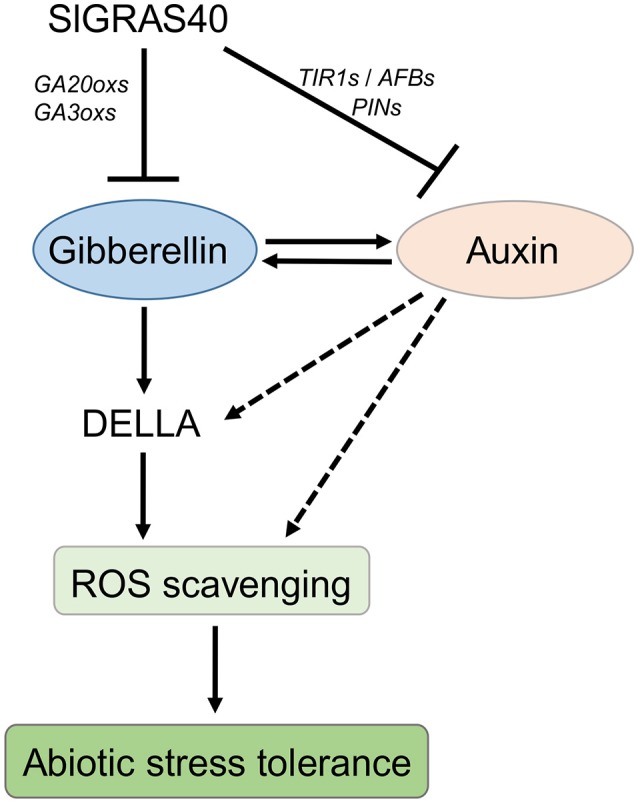
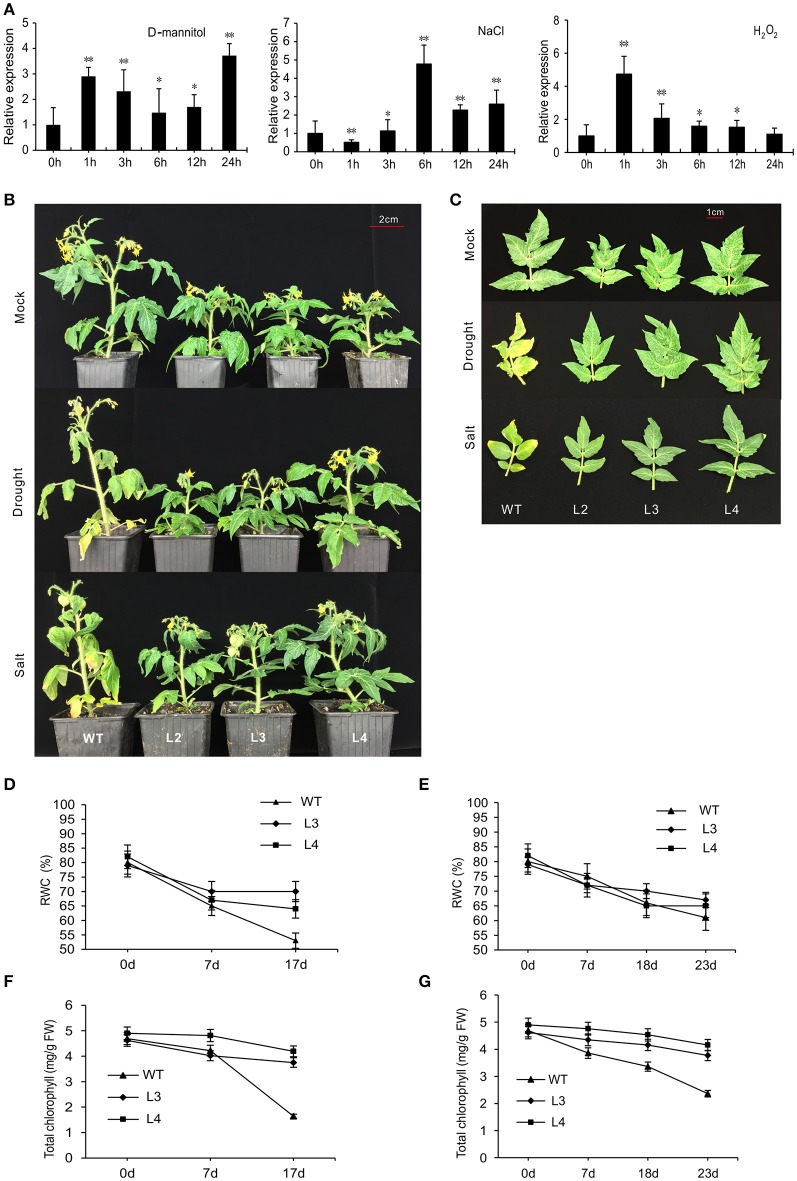
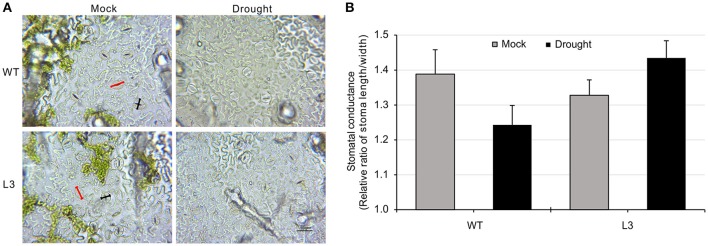
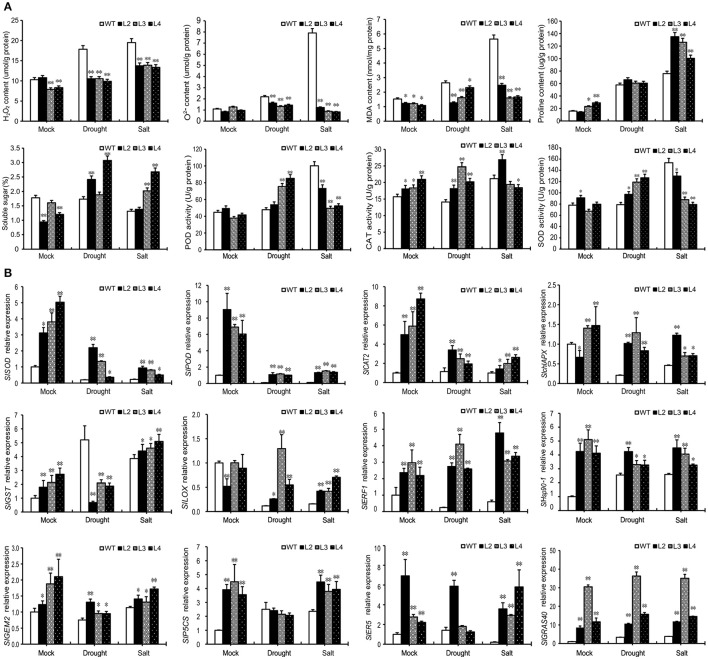
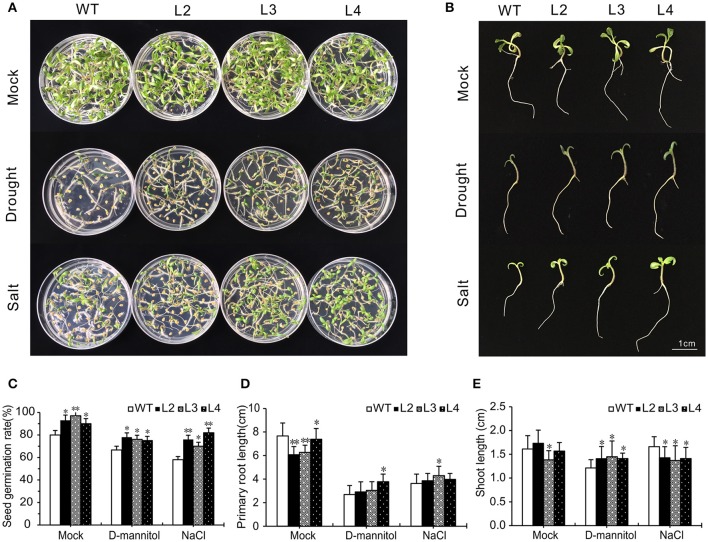
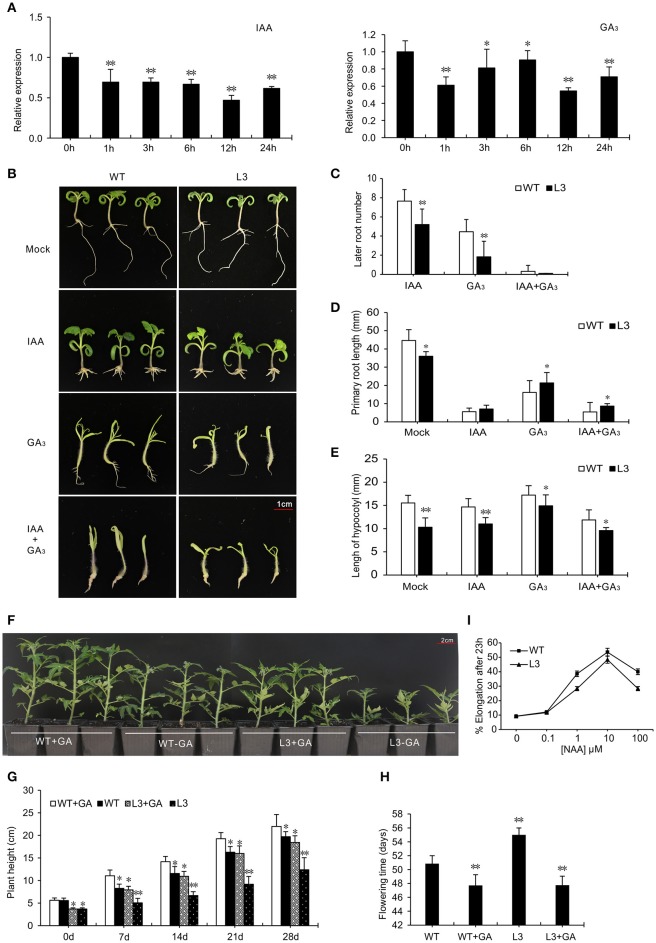
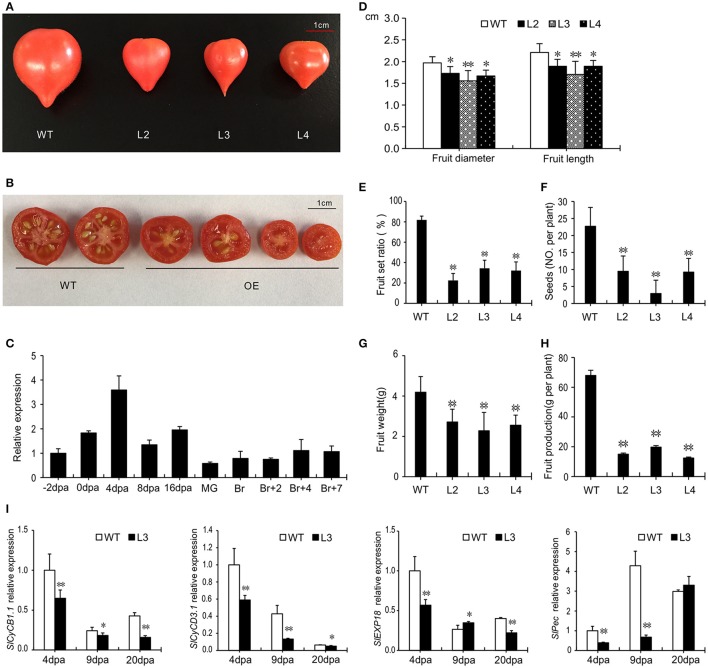
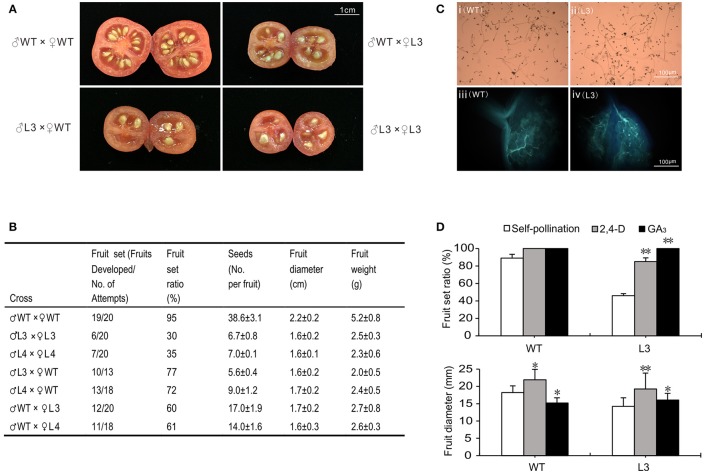
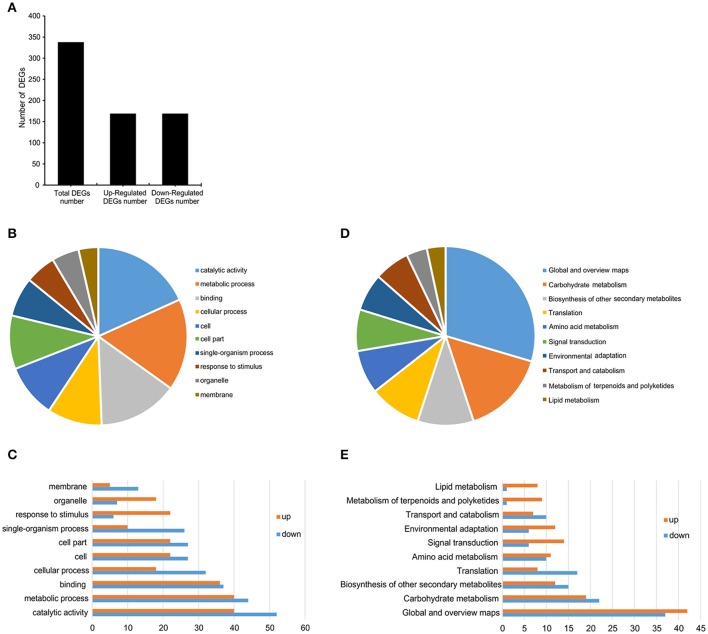
Abiotic stresses are major environmental factors that inhibit plant growth and development impacting crop productivity. GRAS transcription factors play critical and diverse roles in plant development and abiotic stress. In this study, , a member of the tomato () GRAS family, was functionally characterized. In wild-type (WT) tomato, was upregulated by abiotic stress induced by treatment with D-mannitol, NaCl, or HO. Transgenic tomato plants overexpressing (-OE) were more tolerant of drought and salt stress than WT. -OE plants displayed pleiotropic phenotypes reminiscent of those resulting from altered auxin and/or gibberellin signaling. A comparison of WT and -OE transcriptomes showed that the expression of a large number of genes involved in hormone signaling and stress responses were modified. Our study of protein provides evidence of how another GRAS plays roles in resisting abiotic stress and regulating auxin and gibberellin signaling during vegetative and reproductive growth in tomato.
非生物胁迫是抑制植物生长发育并影响作物生产力的主要环境因素。GRAS转录因子在植物发育和非生物胁迫中发挥着关键且多样的作用。在本研究中,对番茄()GRAS家族的一个成员进行了功能鉴定。在野生型(WT)番茄中,通过用D-甘露醇、NaCl或HO处理诱导的非生物胁迫可上调该基因的表达。过表达该基因的转基因番茄植株(-OE)比野生型更耐旱和耐盐胁迫。-OE植株表现出多效性表型,让人联想到生长素和/或赤霉素信号改变所产生的表型。野生型和-OE转录组的比较表明,大量参与激素信号传导和应激反应的基因表达发生了改变。我们对该蛋白的研究为另一种GRAS在番茄营养生长和生殖生长过程中抵抗非生物胁迫以及调节生长素和赤霉素信号传导方面发挥作用提供了证据。