Meyer Kevin Anthony, Davis Timothy W, Watson Susan B, Denef Vincent J, Berry Michelle A, Dick Gregory J
Cooperative Institute for Great Lakes Research (CIGLR), University of Michigan, Ann Arbor, MI, United States of America.
Department of Earth and Environmental Sciences, University of Michigan, Ann Arbor, MI, United States of America.
PLoS One. 2017 Oct 11;12(10):e0183859. doi: 10.1371/journal.pone.0183859. eCollection 2017.
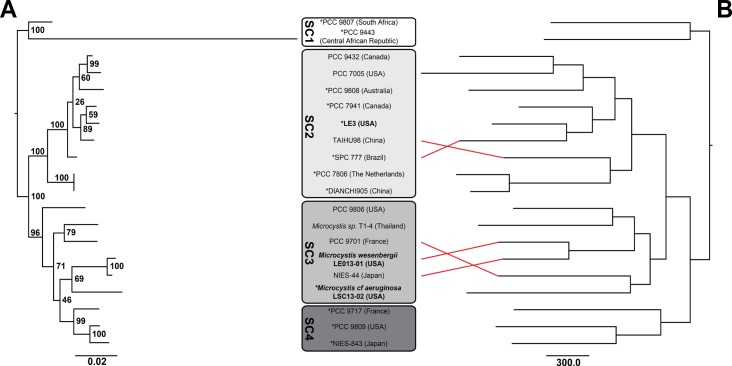
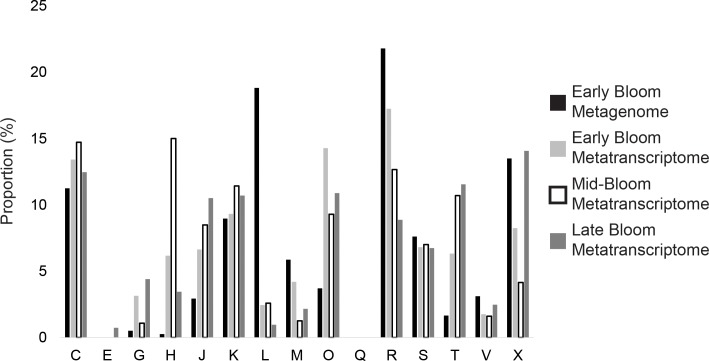
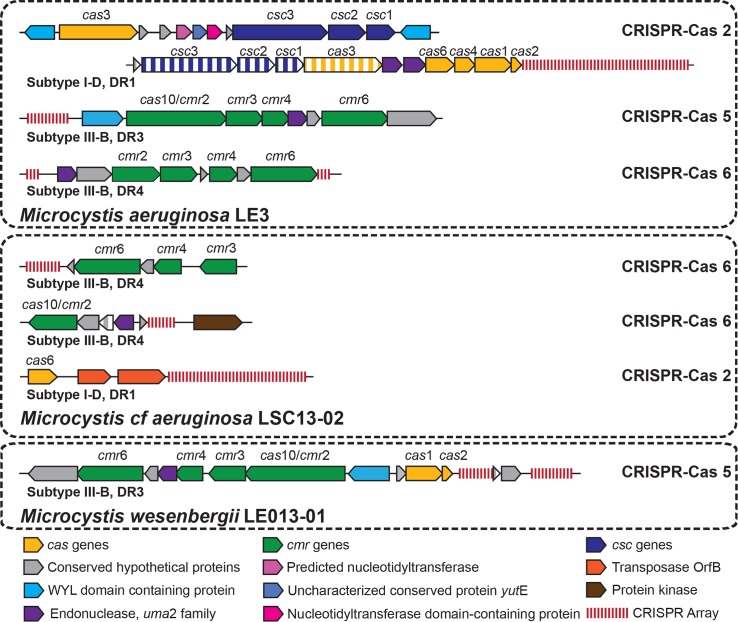
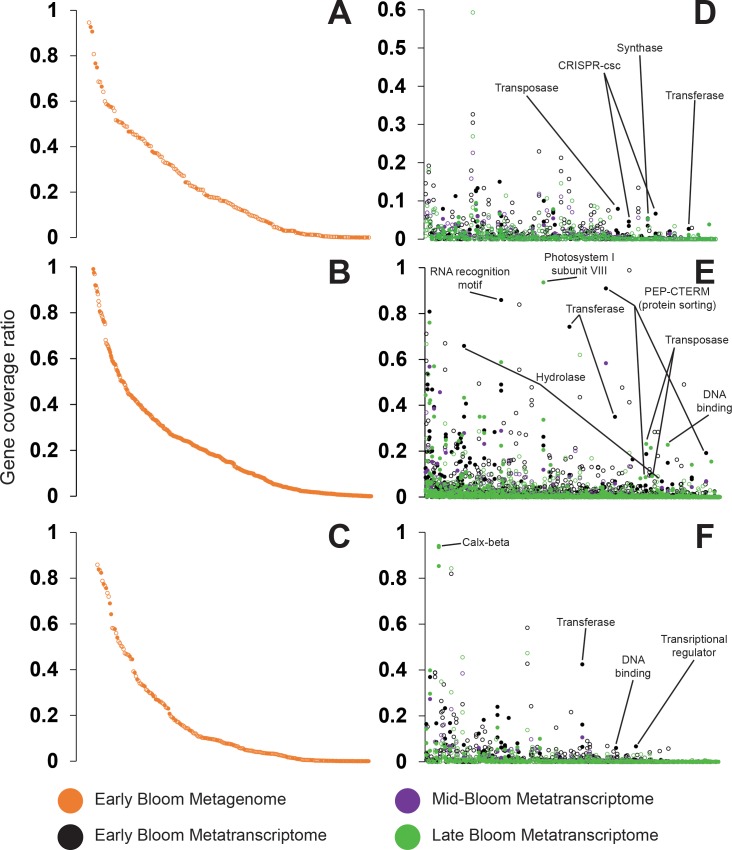
Blooms of the potentially toxic cyanobacterium Microcystis are increasing worldwide. In the Laurentian Great Lakes they pose major socioeconomic, ecological, and human health threats, particularly in western Lake Erie. However, the interpretation of "omics" data is constrained by the highly variable genome of Microcystis and the small number of reference genome sequences from strains isolated from the Great Lakes. To address this, we sequenced two Microcystis isolates from Lake Erie (Microcystis aeruginosa LE3 and M. wesenbergii LE013-01) and one from upstream Lake St. Clair (M. cf aeruginosa LSC13-02), and compared these data to the genomes of seventeen Microcystis spp. from across the globe as well as one metagenome and seven metatranscriptomes from a 2014 Lake Erie Microcystis bloom. For the publically available strains analyzed, the core genome is ~1900 genes, representing ~11% of total genes in the pan-genome and ~45% of each strain's genome. The flexible genome content was related to Microcystis subclades defined by phylogenetic analysis of both housekeeping genes and total core genes. To our knowledge this is the first evidence that the flexible genome is linked to the core genome of the Microcystis species complex. The majority of strain-specific genes were present and expressed in bloom communities in Lake Erie. Roughly 8% of these genes from the lower Great Lakes are involved in genome plasticity (rapid gain, loss, or rearrangement of genes) and resistance to foreign genetic elements (such as CRISPR-Cas systems). Intriguingly, strain-specific genes from Microcystis cultured from around the world were also present and expressed in the Lake Erie blooms, suggesting that the Microcystis pangenome is truly global. The presence and expression of flexible genes, including strain-specific genes, suggests that strain-level genomic diversity may be important in maintaining Microcystis abundance during bloom events.
具有潜在毒性的蓝藻微囊藻水华在全球范围内日益增多。在五大湖地区,它们对社会经济、生态和人类健康构成了重大威胁,尤其是在伊利湖西部。然而,“组学”数据的解读受到微囊藻高度可变基因组以及从五大湖分离出的菌株参考基因组序列数量较少的限制。为了解决这个问题,我们对来自伊利湖的两株微囊藻(铜绿微囊藻LE3和惠氏微囊藻LE013 - 01)以及来自上游圣克莱尔湖的一株微囊藻(铜绿微囊藻LSC13 - 02)进行了测序,并将这些数据与来自全球的17种微囊藻属物种的基因组以及2014年伊利湖微囊藻水华的一个宏基因组和7个宏转录组进行了比较。对于所分析的公开可用菌株,核心基因组约有1900个基因,占泛基因组中总基因的约11%,占每个菌株基因组的约45%。灵活基因组的内容与通过看家基因和总核心基因的系统发育分析所定义的微囊藻亚分支有关。据我们所知,这是首个表明灵活基因组与微囊藻物种复合体的核心基因组相关联的证据。大多数菌株特异性基因存在于伊利湖水华群落中并表达。来自五大湖下游的这些基因中约8%参与基因组可塑性(基因的快速获得、丢失或重排)以及对外源遗传元件的抗性(如CRISPR - Cas系统)。有趣的是,来自世界各地培养的微囊藻的菌株特异性基因也存在于伊利湖水华中并表达,这表明微囊藻泛基因组确实是全球性的。包括菌株特异性基因在内的灵活基因的存在和表达表明,菌株水平的基因组多样性可能在水华事件期间维持微囊藻数量方面很重要。