Department of Biomaterials, Faculty of High Technologies, Tarbiat Modares University, PO Box, 14115-175, Tehran, Iran.
Department of Nanobiotechnology, Faculty of Biological Sciences, Tarbiat Modares University, PO Box, 14115-175, Tehran, Iran.
Sci Rep. 2017 Oct 11;7(1):12965. doi: 10.1038/s41598-017-13169-7.
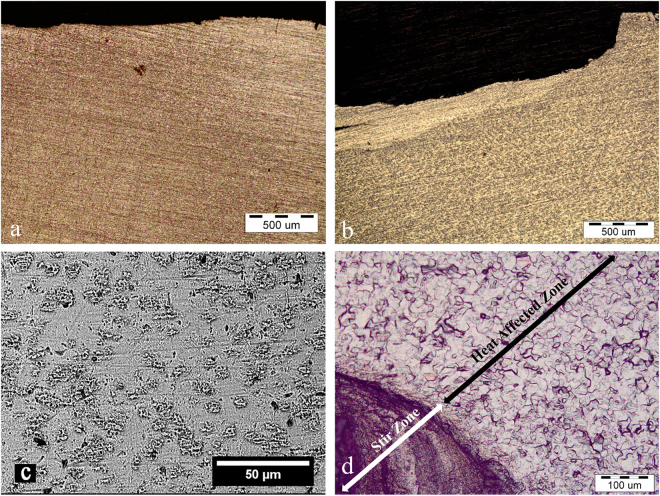
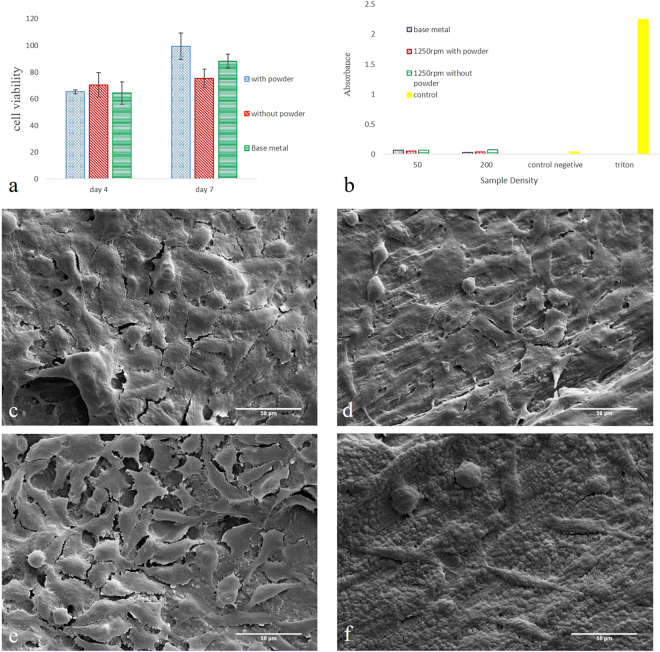
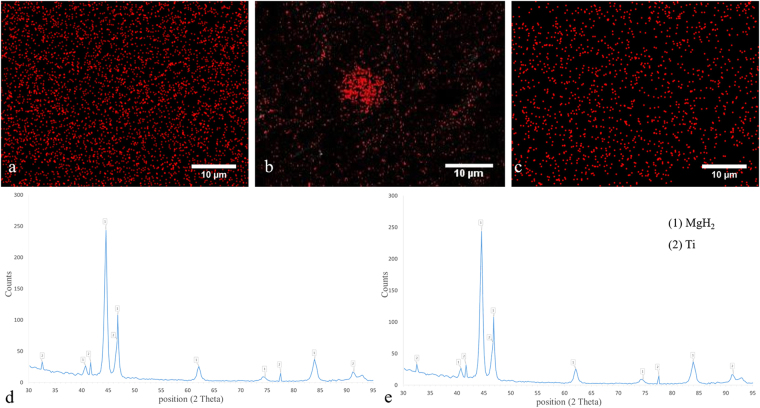
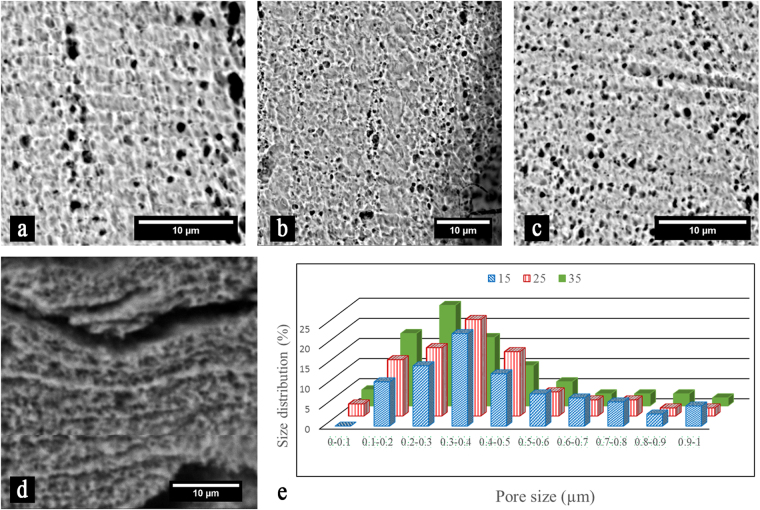
Besides the wide applications of titanium and its alloys for orthopedic and biomedical implants, the biocompatible nature of titanium has emerged various surface modification techniques to enhance its bioactivity and osteointegration with living tissues. In this work, we present a new procedure for nanoscale surface modification of titanium implants by integration of magnesium-rich islands combined with controlled formation of pores and refinement of the surface grain structure. Through severe plastic deformation of the titanium surface with fine magnesium hydride powder, Mg-rich islands with varying sizes ranging from 100 nm to 1000 nm can be integrated inside a thin surface layer (100-500 µm) of the implant. Selective etching of the surface forms a fine structure of surface pores which their average size varies in the range of 200-500 nm depending on the processing condition. In vitro biocompatibility and hemocompatibility assays show that the Mg-rich islands and the induced surface pores significantly enhance cell attachment and biocompatibility without an adverse effect on the cell viability. Therefore, severe plastic integration of Mg-rich islands on titanium surface accompanying with porosification is a new and promising procedure with high potential for nanoscale modification of biomedical implants.
除了钛及其合金在骨科和生物医学植入物中的广泛应用外,钛的生物相容性还出现了各种表面改性技术,以提高其生物活性和与活体组织的骨整合能力。在这项工作中,我们提出了一种新的钛植入物纳米级表面改性方法,即将富含镁的岛与控制孔的形成和表面晶粒结构细化相结合。通过用细镁氢化物粉末对钛表面进行剧烈塑性变形,可以在植入物的 100-500μm 的薄表面层内整合具有 100-1000nm 不同尺寸的富含镁的岛。选择性地对表面进行蚀刻形成表面孔的精细结构,其平均尺寸根据处理条件在 200-500nm 的范围内变化。体外生物相容性和血液相容性试验表明,富含镁的岛和诱导的表面孔显著提高了细胞附着和生物相容性,而对细胞活力没有不利影响。因此,富含镁的岛在钛表面上的剧烈塑性整合伴随着多孔化是一种新的、有前途的方法,具有对生物医学植入物进行纳米级改性的巨大潜力。