Zhang Qiqi, Su Jia, Wang Ziwei, Qi Hui, Ge Zeyong, Li Zhijun, Chen Wei-Dong, Wang Yan-Dong
State Key Laboratory of Chemical Resource Engineering, College of Life Science and Technology, Beijing University of Chemical Technology, Beijing, P. R. China.
Key Laboratory of Receptors-Mediated Gene Regulation and Drug Discovery, School of Medicine, Henan University, Kaifeng, P. R. China.
Oncotarget. 2017 Jun 16;8(39):65397-65406. doi: 10.18632/oncotarget.18541. eCollection 2017 Sep 12.
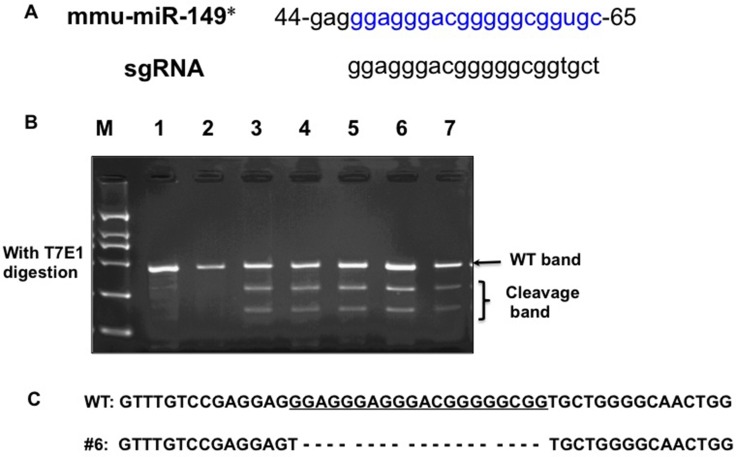
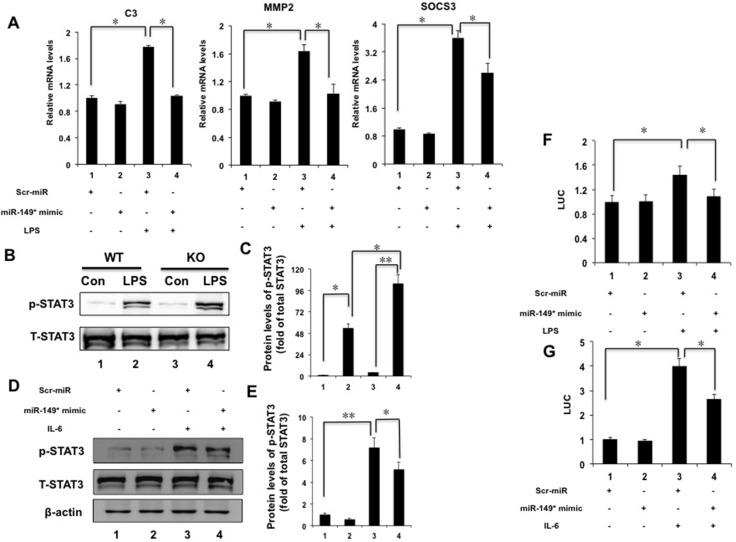
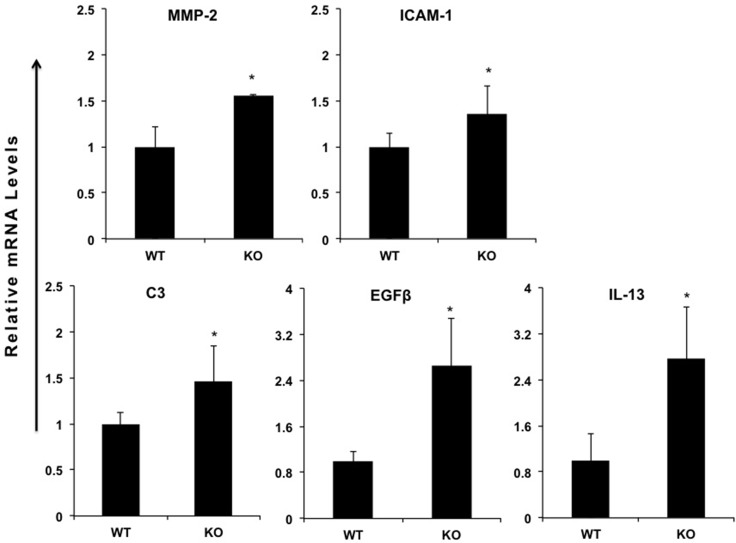
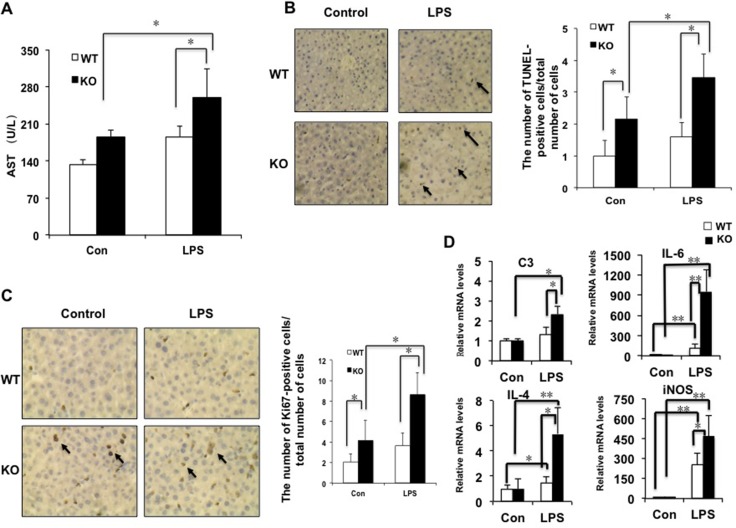
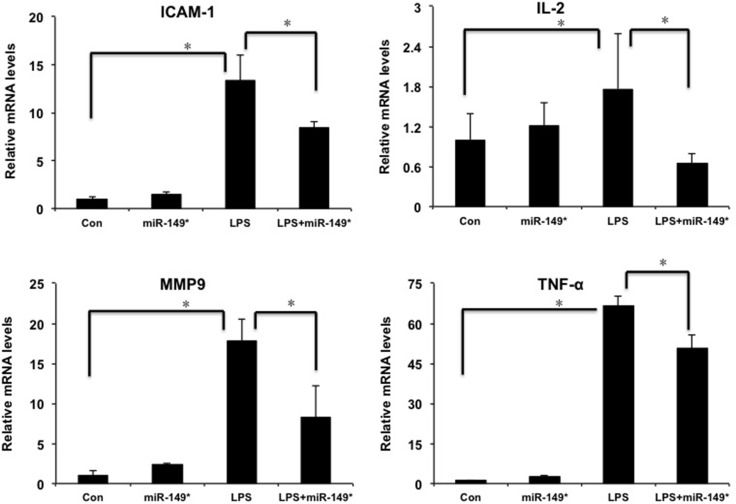
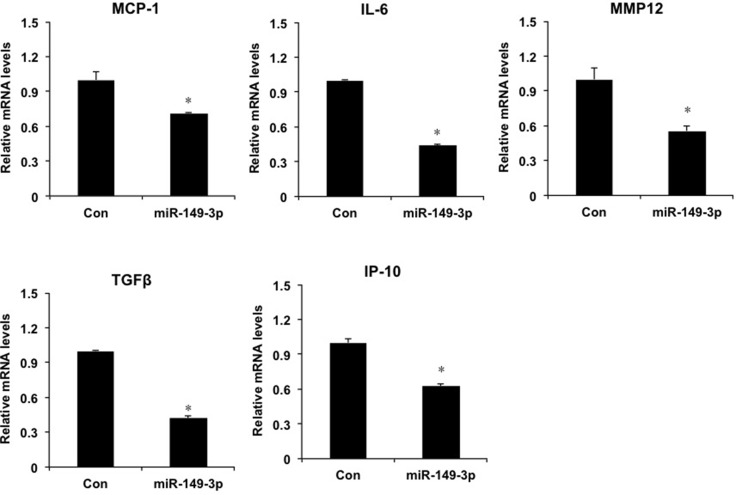
Chronic inflammation is increasingly recognized as an important component of tumorigenesis and metabolic diseases. The roles of microRNA149* (miRNA149*) in inflammation remain poorly understood. Here, we demonstrate that miR-149* is a suppressor of STAT3-mediated inflammation. MiR-149* mice were generated with CRISPR/CAS9 technique. In a lipopolysaccharide (LPS)-induced inflammation model, miR-149* mice show more severe liver injury and inflammation, compared with wild-type (WT) mice. MiR-149* mice also displayed elevated messenger RNA (mRNA) levels of interleukin (IL)-6, inducible nitric oxide synthase (iNOS), complement C3 (C3) and IL-4 in response to LPS. Then miR-149* agomir administration is largely able to alleviate the LPS-induced some inflammatory gene expression in WT mouse liver. In vitro, miR-149* mimics inhibited expression of STAT3-meidated inflammatory mediators induced by LPS and suppresses the phosphorylation of STAT3 and its transcription activity in HepG2 cells. These findings identify miR-149* as a negative mediator of inflammation that may serve as an attractive therapeutic tool for immune and inflammatory liver diseases.
慢性炎症日益被认为是肿瘤发生和代谢性疾病的重要组成部分。微小RNA149*(miRNA149*)在炎症中的作用仍知之甚少。在此,我们证明miR - 149是STAT3介导的炎症的抑制因子。利用CRISPR/CAS9技术构建了miR - 149基因敲除小鼠。在脂多糖(LPS)诱导的炎症模型中,与野生型(WT)小鼠相比,miR - 149基因敲除小鼠表现出更严重的肝损伤和炎症。miR - 149基因敲除小鼠在LPS刺激下,白细胞介素(IL)-6、诱导型一氧化氮合酶(iNOS)、补体C3(C3)和IL - 4的信使核糖核酸(mRNA)水平也升高。然后,给予miR - 149激动剂在很大程度上能够减轻LPS诱导的野生型小鼠肝脏中一些炎症基因的表达。在体外,miR - 149模拟物抑制LPS诱导的STAT3介导的炎症介质的表达,并抑制HepG2细胞中STAT3的磷酸化及其转录活性。这些发现表明miR - 149*是炎症的负向调节因子,可能成为免疫性和炎性肝病有吸引力的治疗工具。