Vazirian Milad, Van Dillen Linda, Bazrgari Babak
Department of Biomedical Engineering, University of Kentucky, Lexington, KY, USA.
Program in Physical Therapy, Washington University in St. Louis School of Medicine, St. Louis, MO, USA.
Phys Ther Rehabil. 2016;3. doi: 10.7243/2055-2386-3-5.
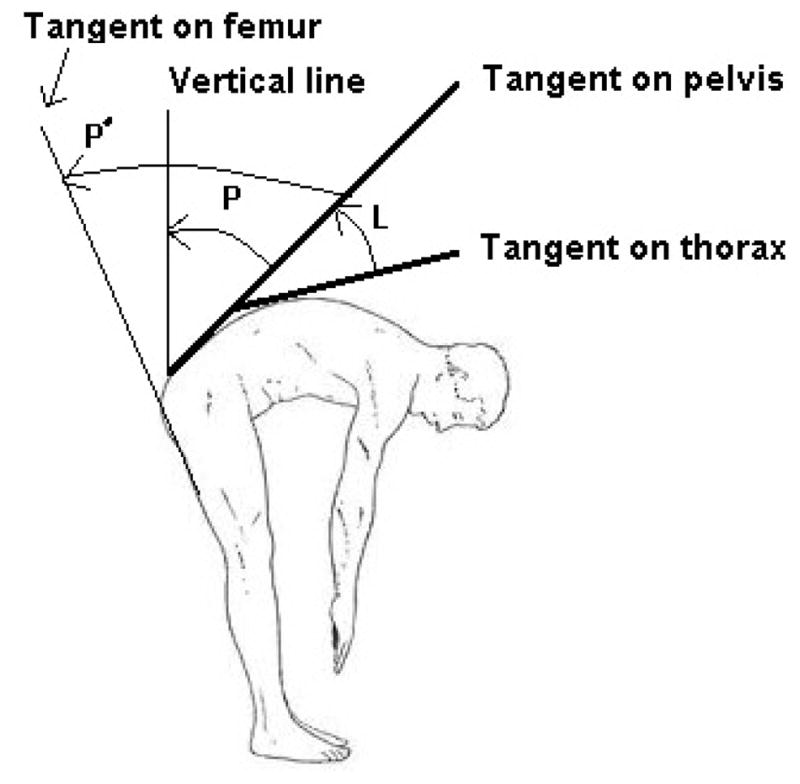
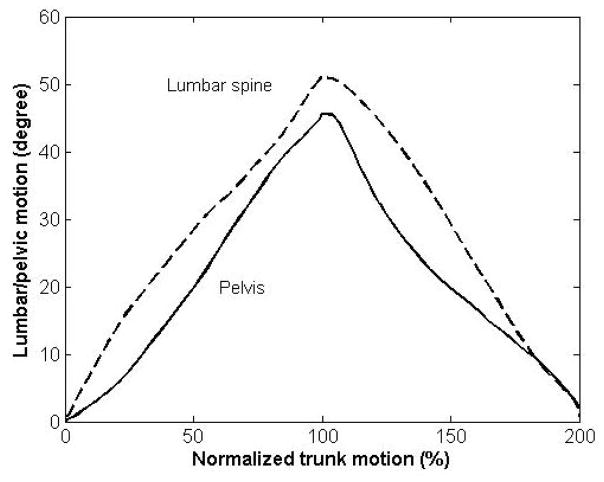
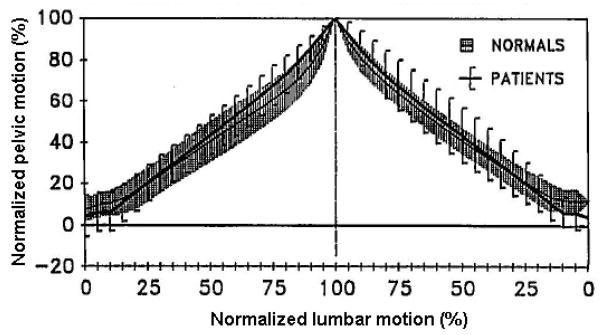
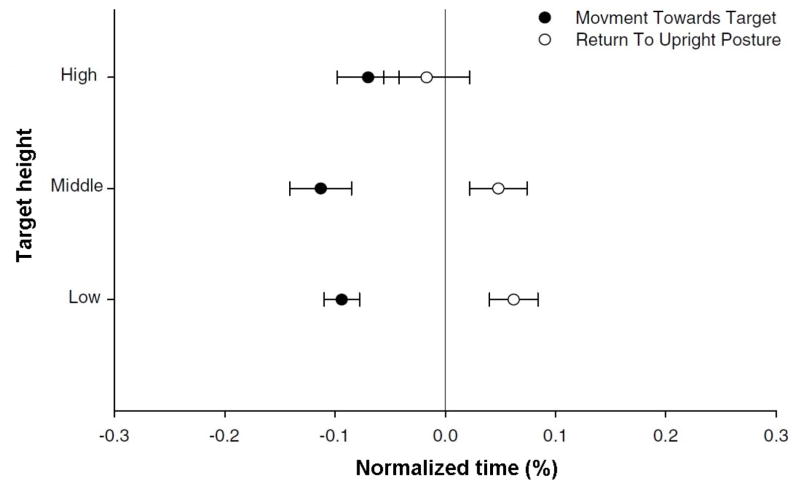
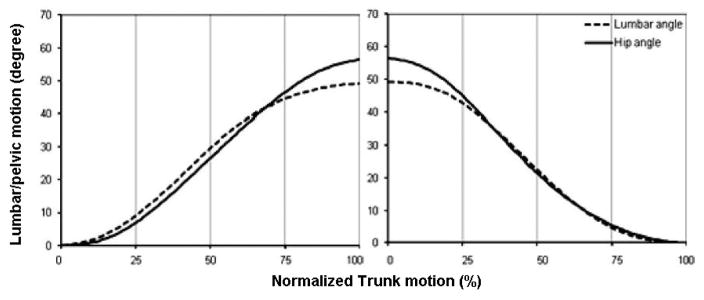
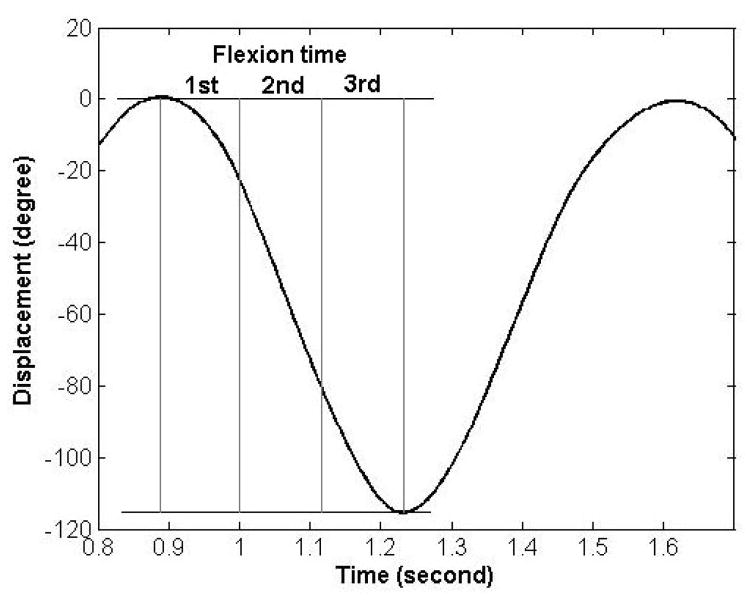
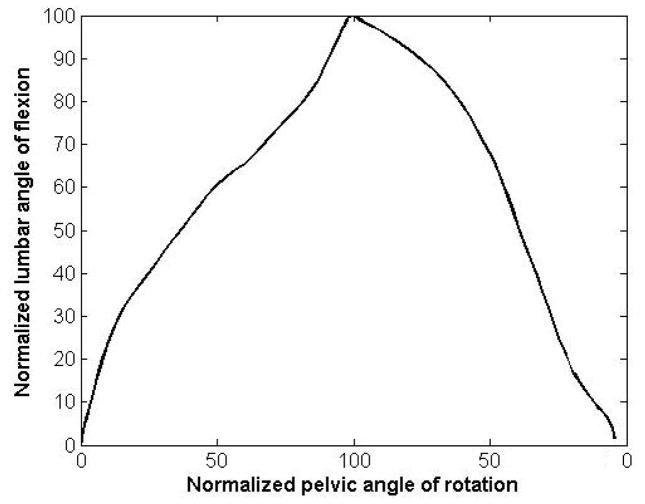
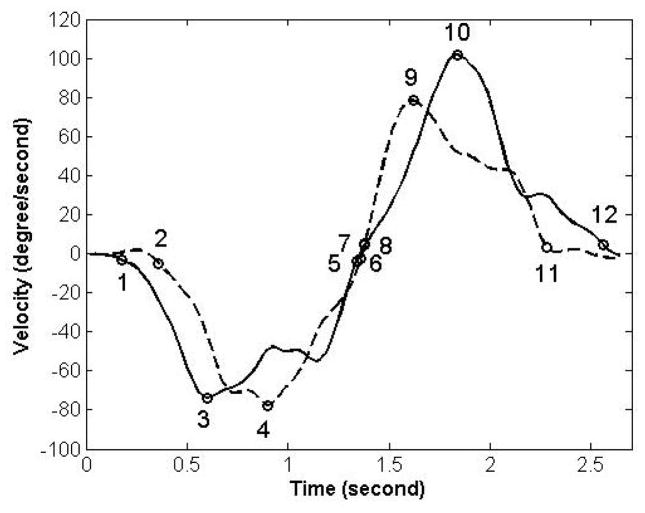
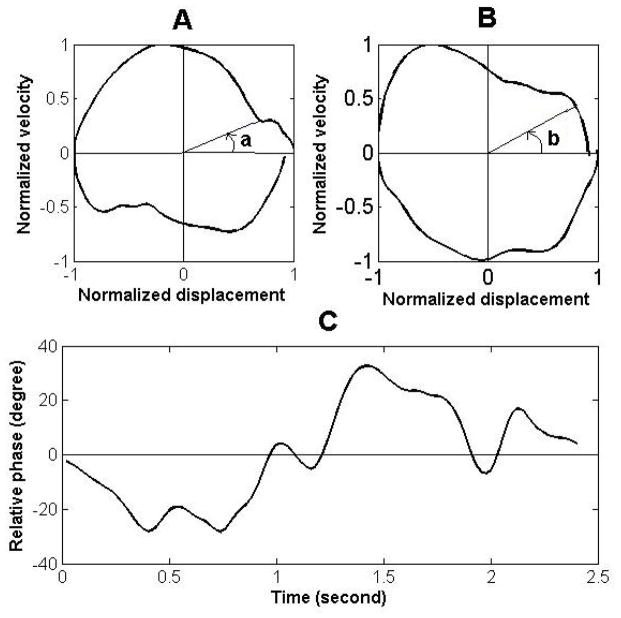
Lumbopelvic rhythm during trunk forward bending and backward return has been widely investigated to have a better understanding of the pattern of trunk motion, as used in research on low back disorders. Considerable differences in the methods used to measure, and approaches used to characterize the lumbopelvic rhythm hinder the integration of findings of those studies for further research in the future. Thus, the purpose of this review was to summarize the methods for kinematic measurement as well as their characterization approaches for the lumbopelvic rhythm. PUBMED and CINAHL databases were searched for relevant studies. Several types of instruments were found to be used in the reviewed studies, mostly using markers or sensors, which were placed on different parts of spine, with different definitions to measure the lumbar and pelvic motion. Also, various characterization approaches were found to be used, of which some related to the magnitude, while the others to the timing aspects of lumbopelvic rhythm. Such a characterization was either qualitative or quantitative. In addition, the specified characterization approaches were applied on a sample of trunk kinematics data from our lab to demonstrate differences in the outcomes of these approaches.
为了更好地理解躯干运动模式,在研究下背部疾病时,人们对躯干前屈和后伸过程中的腰骶节律进行了广泛研究。然而,用于测量腰骶节律的方法以及表征该节律的途径存在相当大的差异,这阻碍了这些研究结果的整合,不利于未来的进一步研究。因此,本综述的目的是总结腰骶节律的运动学测量方法及其表征途径。通过检索PUBMED和CINAHL数据库查找相关研究。在纳入综述的研究中发现使用了几种类型的仪器,大多使用标记物或传感器,它们放置在脊柱的不同部位,对测量腰椎和骨盆运动有不同的定义。此外,还发现使用了各种表征途径,其中一些与幅度有关,而另一些与腰骶节律的时间方面有关。这种表征要么是定性的,要么是定量的。此外,将特定的表征途径应用于我们实验室的躯干运动学数据样本,以展示这些途径在结果上的差异。