Liberski Albert, Latif Najma, Raynaud Christophe, Bollensdorff Christian, Yacoub Magdi
Qatar Cardiovascular Research Center, Doha, Qatar.
Glob Cardiol Sci Pract. 2016 Mar 31;2016(1):e201604. doi: 10.21542/gcsp.2016.4.
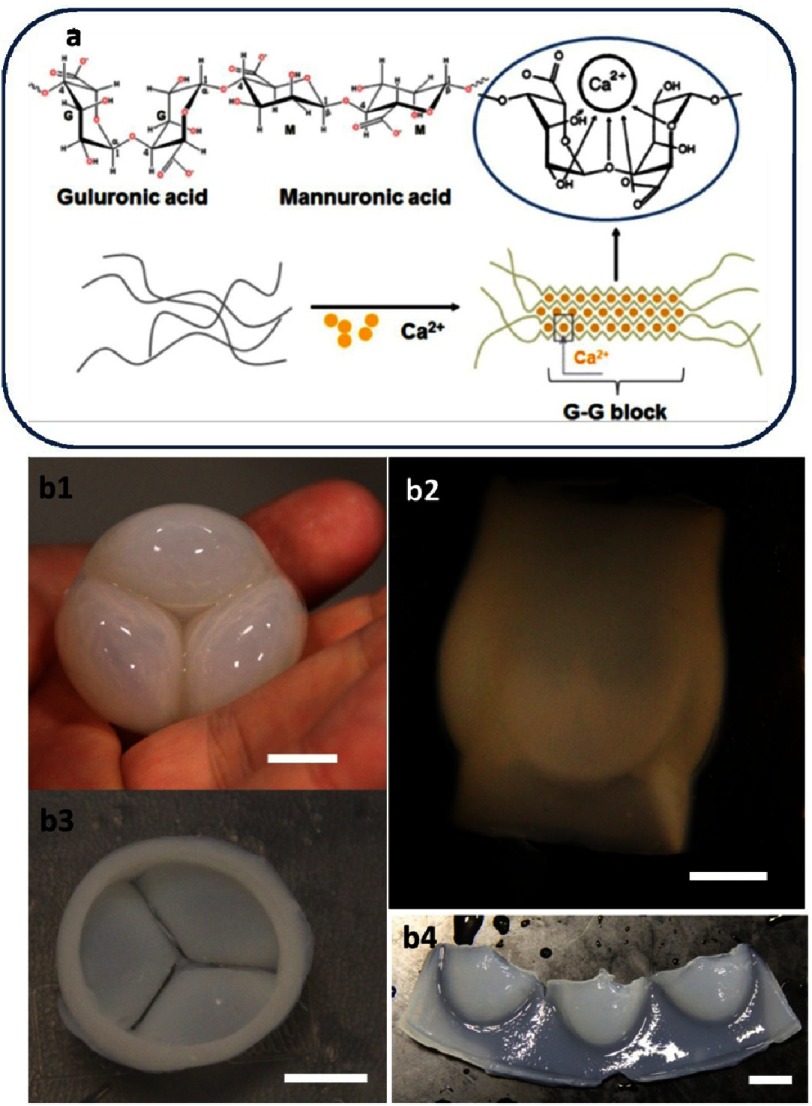
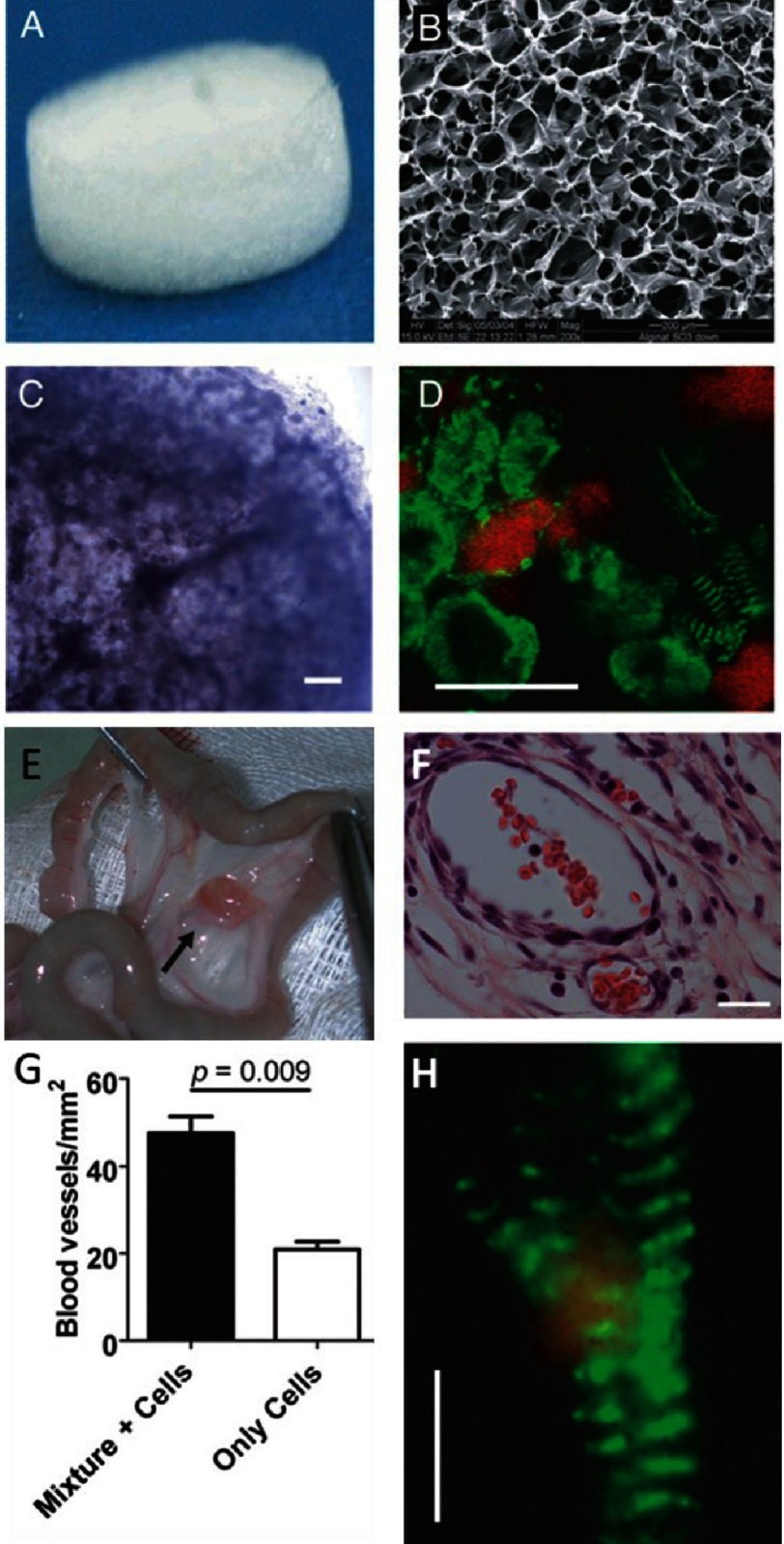
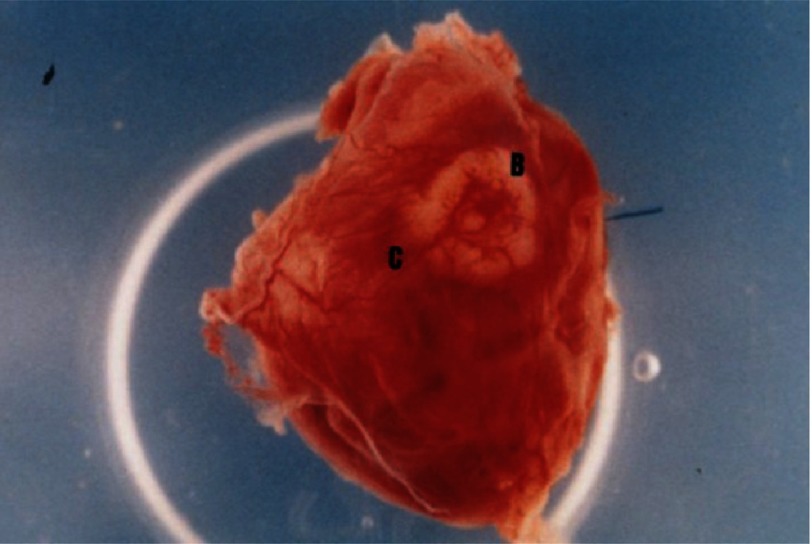
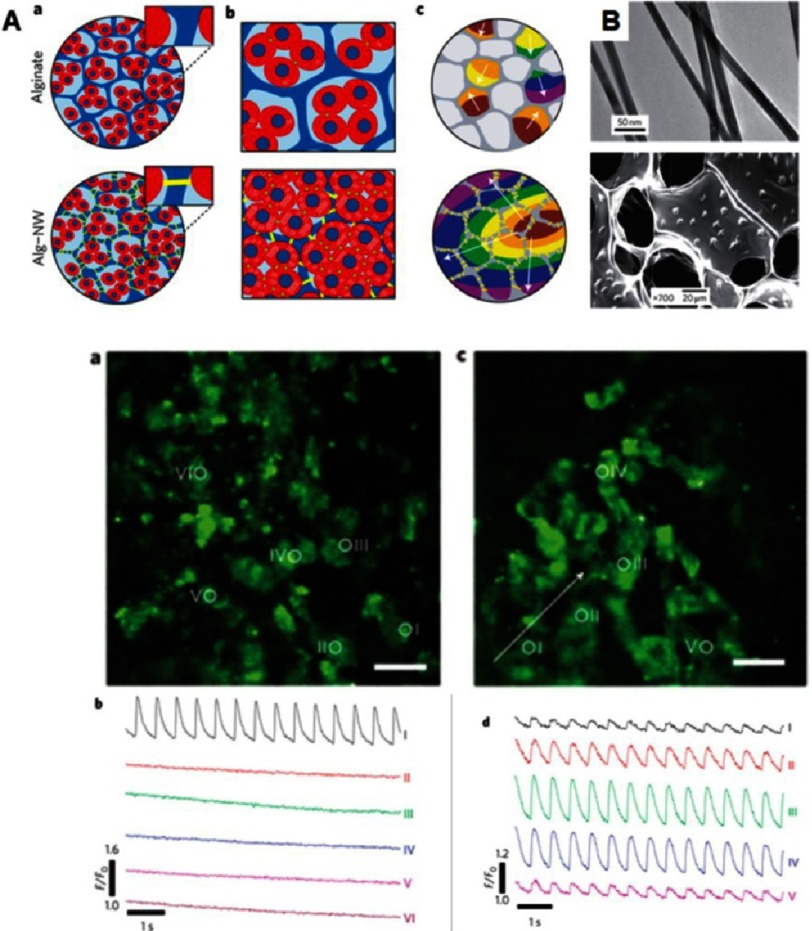
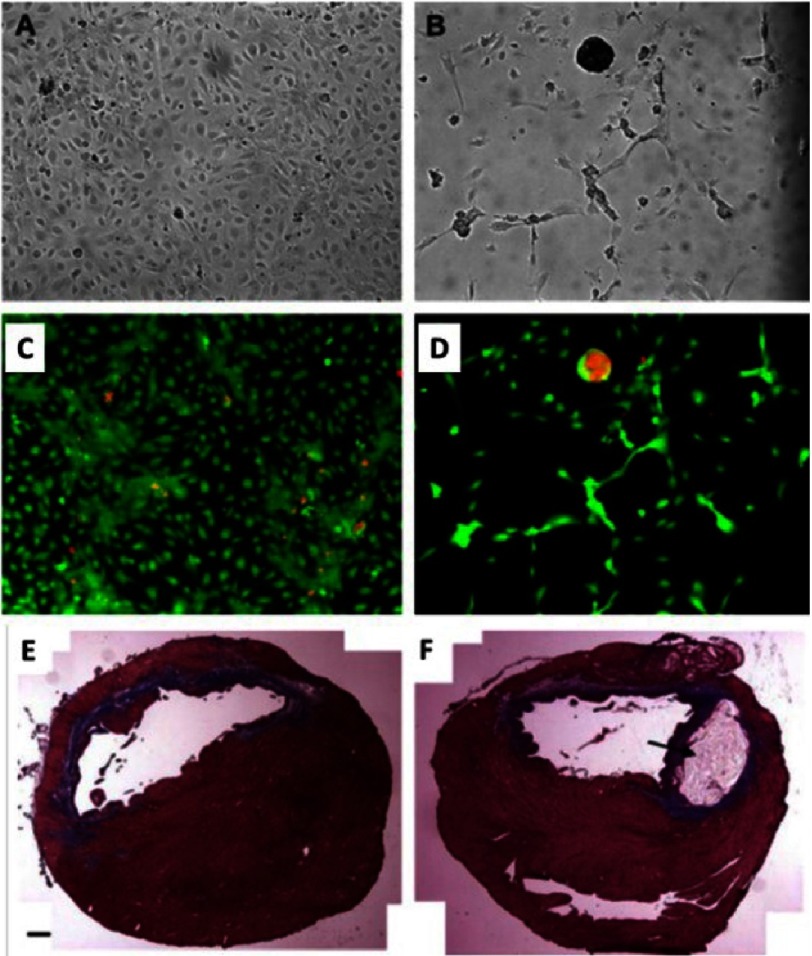
Heart failure is a growing endemic in the aging Western population with a prevalence of over 20 million people worldwide. Existing heart failure therapies are unable to reverse heart failure and do not address its fundamental cause, the loss of cardiomyocytes. In order to induce myocardial regeneration for the myocardium and the heart valve, facilitate self-repair, improve tissue salvage, reduce or reverse the adverse-remodeling and ultimately achieve long-term functional stabilization and improvement in the heart function, novel strategies for therapeutic regeneration are being developed which are aiming to compensate for the insufficient and low intrinsic regenerative ability of the adult heart. Similarly, valve replacement with mechanical or biological substitutes meets numerous hurdles. New approaches using multicellular approaches and new material are extensively studied. Most of those strategies depend on biomaterials that help to achieve functional integrated vasculogenesis and myogenesis in the heart/tissue. Especially for failed heart valve function a number of therapeutic approaches are common from corrective intervention to complete replacement. However the complexity of the heart valve tissue and its high physical exposure has led to a variety of approaches, however therapeutic regeneration needs to be established. Beside other approaches alginate has been identified as one building block to achieve therapeutic regeneration. Alginate is a versatile and adaptable biomaterial that has found numerous biomedical applications which include wound healing, drug delivery and tissue engineering. Due to its biologically favorable properties including the ease of gelation and its biocompatibility, alginate-based hydrogels have been considered a particularly attractive material for the application in cardiac regeneration and valve replacement techniques. Here, we review current applications of alginate in cardiac regeneration as well as perspectives for the alginate-dependent, cardiac regeneration strategies.
心力衰竭在老龄化的西方人群中已成为一种日益普遍的疾病,全球患病率超过2000万人。现有的心力衰竭治疗方法无法逆转心力衰竭,也无法解决其根本原因——心肌细胞的丧失。为了诱导心肌和心脏瓣膜的心肌再生,促进自我修复,改善组织挽救,减少或逆转不良重塑,并最终实现长期功能稳定和心脏功能改善,正在开发新的治疗性再生策略,旨在弥补成年心脏内在再生能力不足和低下的问题。同样,用机械或生物替代品进行瓣膜置换也面临诸多障碍。使用多细胞方法和新材料的新方法正在广泛研究中。这些策略大多依赖于生物材料,这些生物材料有助于在心脏/组织中实现功能性整合的血管生成和肌生成。特别是对于心脏瓣膜功能衰竭,从矫正干预到完全置换,有许多治疗方法。然而,心脏瓣膜组织的复杂性及其高物理暴露性导致了多种方法,但治疗性再生仍有待确立。除其他方法外,海藻酸盐已被确定为实现治疗性再生的一个组成部分。海藻酸盐是一种多功能且适应性强的生物材料,已在众多生物医学应用中得到应用,包括伤口愈合、药物递送和组织工程。由于其生物学上有利的特性,包括易于凝胶化及其生物相容性,基于海藻酸盐的水凝胶被认为是一种特别有吸引力的材料,可应用于心脏再生和瓣膜置换技术。在这里,我们综述了海藻酸盐在心脏再生中的当前应用以及基于海藻酸盐的心脏再生策略的前景。