Feng Tang, Yu Hongchi, Xia Qing, Ma Yunlong, Yin Hongmei, Shen Yang, Liu Xiaoheng
Institute of Biomedical Engineering, School of Preclinical and Forensic Medicine, Sichuan University, Chengdu 610041, China.
West China School of Pharmacy, Sichuan University, Chengdu 610041, China.
Oncotarget. 2017 Jun 27;8(41):69577-69593. doi: 10.18632/oncotarget.18632. eCollection 2017 Sep 19.
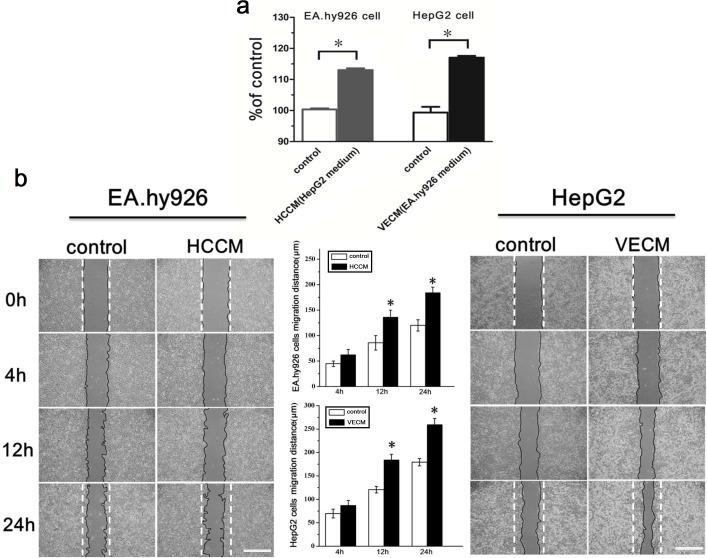
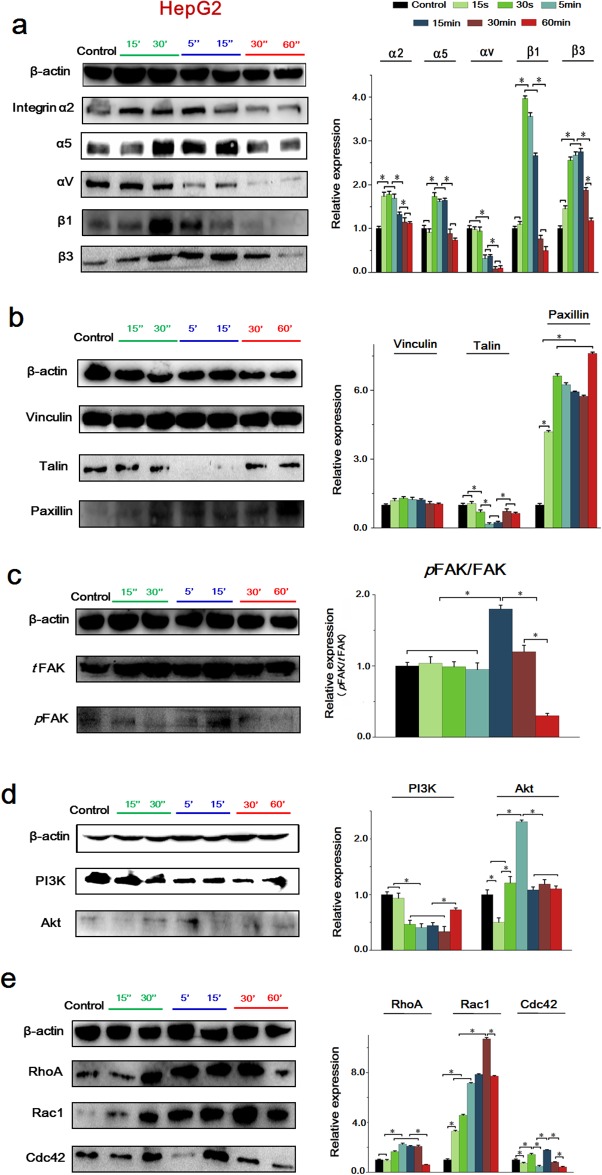
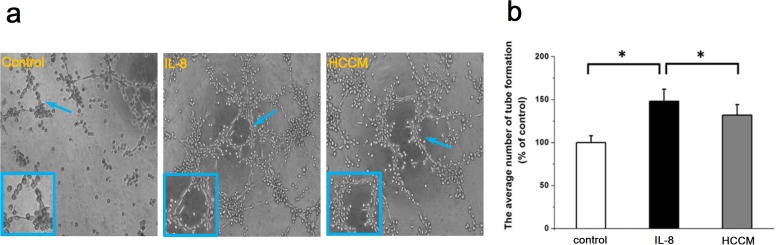
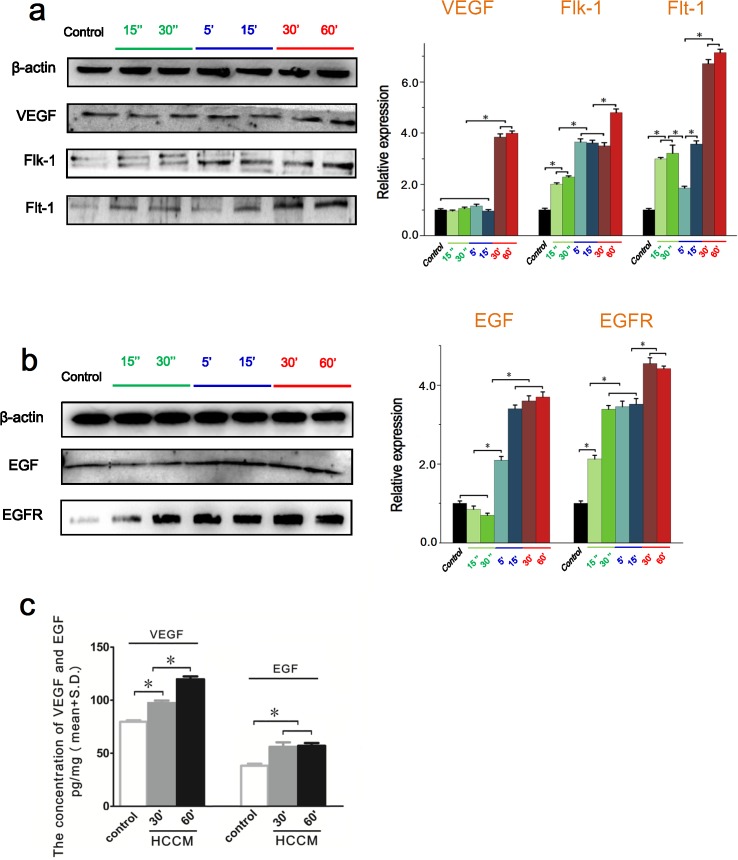
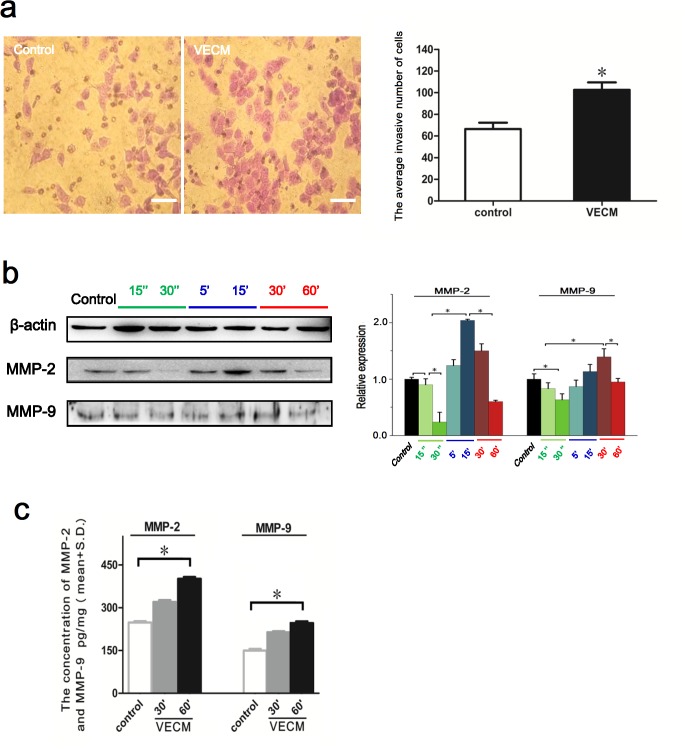
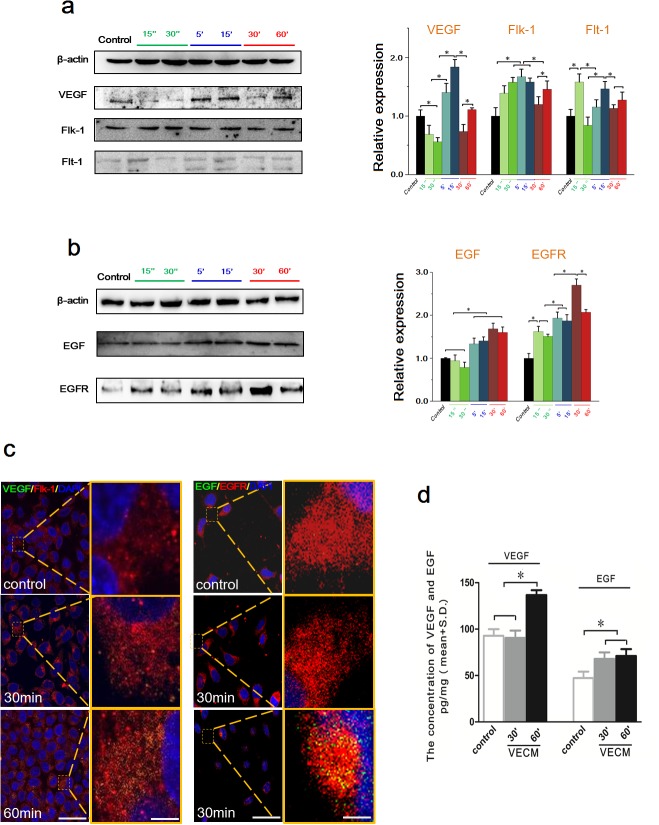
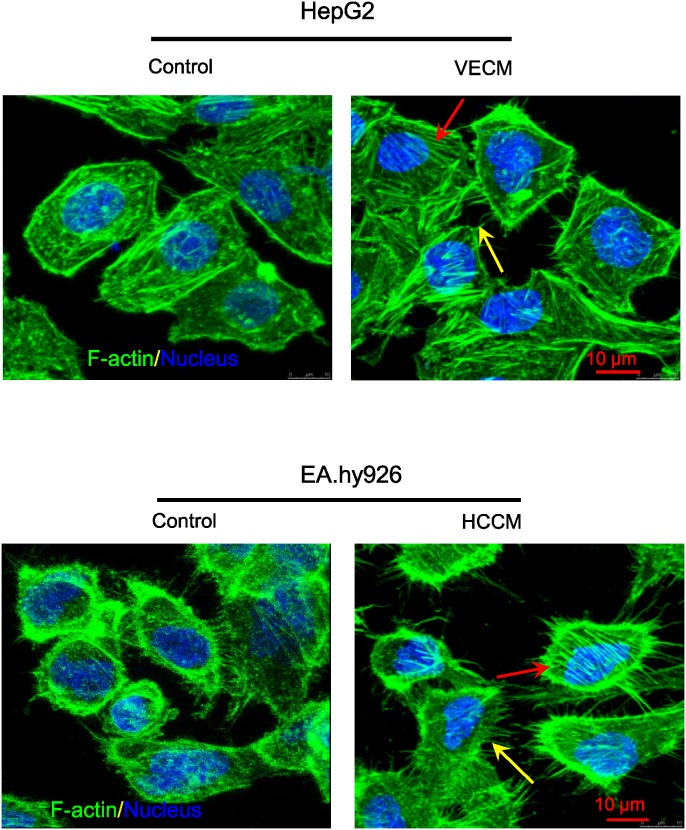
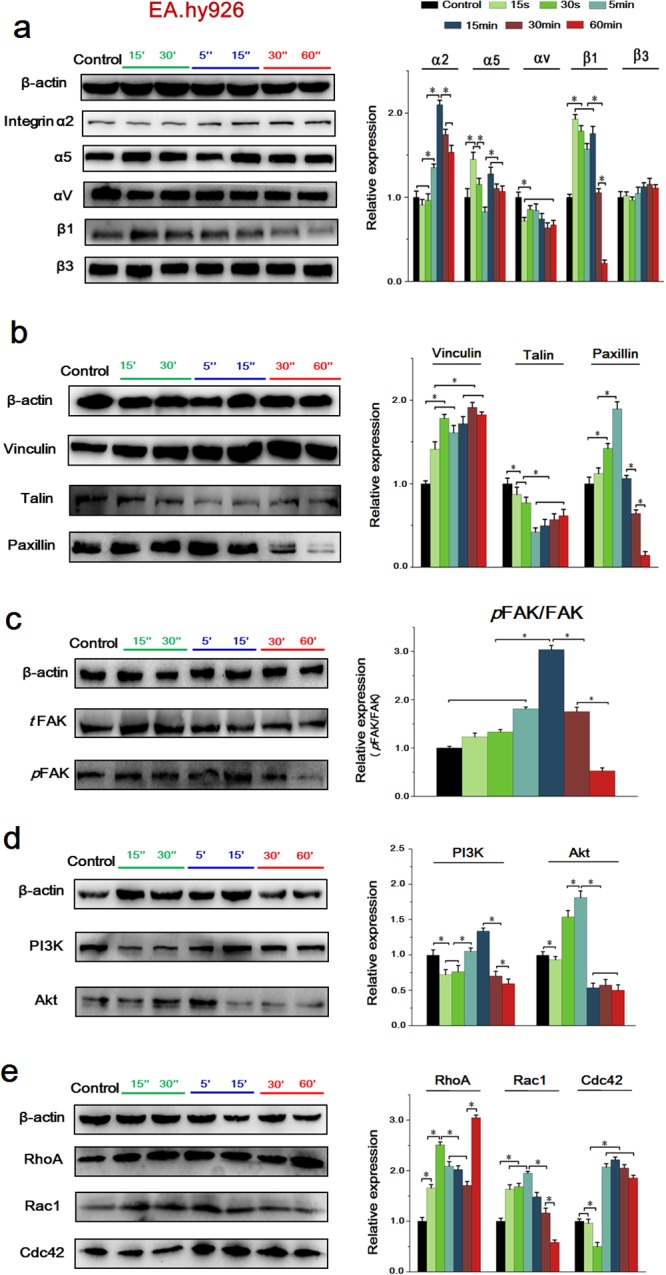
Tumor angiogenesis plays a central role in the development and metastasis of hepatocellular carcinoma. Cancer cells secrete angiogenic factors to recruit vascular endothelial cells and sustain tumor vascular networks, which facilitate the migration and invasion of cancer cells. Therefore, the cross-talk between vascular endothelial cells and cancer cells is vitally necessary, however, little is known about the cross-talk mechanism of these cells interaction. In the present study, the proliferation, migration, invasion and tube formation of vascular endothelial EA.hy926 cells and hepatocellular carcinoma HepG2 cells were studied by exchanging their culture medium. The time-dependent differences of integrins induced signaling pathway associated with cell migration were investigated. Our results showed that HepG2 cells markedly enhanced the proliferation and migration ability as well as the tube formation of EA.hy926 cells by releasing growth factors. Also, the EA.hy926 cells promoted the proliferation, migration and invasion ability of HepG2 cells. The further analysis demonstrated that the integrins-FAK-Rho GTPases signaling events in both of two cells was activated under conditioned medium, and the signaling molecules in two cell lines showed a different time-dependent expression within 1h. These findings reveal the cross-talk mechanism between the endothelial cells and hepatocellular carcinoma cells, which were expected to find out new ideas for the prevention and treatment of hepatocellular carcinoma.
肿瘤血管生成在肝细胞癌的发生和转移中起着核心作用。癌细胞分泌血管生成因子以募集血管内皮细胞并维持肿瘤血管网络,这有利于癌细胞的迁移和侵袭。因此,血管内皮细胞与癌细胞之间的相互作用至关重要,然而,关于这些细胞相互作用的机制却知之甚少。在本研究中,通过交换血管内皮EA.hy926细胞和肝癌HepG2细胞的培养基,研究了它们的增殖、迁移、侵袭和管腔形成情况。研究了整合素诱导的与细胞迁移相关信号通路的时间依赖性差异。我们的结果表明,HepG2细胞通过释放生长因子显著增强了EA.hy926细胞的增殖、迁移能力以及管腔形成能力。此外,EA.hy926细胞促进了HepG2细胞的增殖、迁移和侵袭能力。进一步分析表明,在条件培养基作用下,两种细胞中的整合素-FAK-Rho GTPases信号事件均被激活,且两种细胞系中的信号分子在1小时内呈现出不同的时间依赖性表达。这些发现揭示了内皮细胞与肝癌细胞之间的相互作用机制,有望为肝细胞癌的预防和治疗找到新思路。