Wallace H. Coulter Department of Biomedical Engineering, Emory University School of Medicine and Georgia Institute of Technology, Atlanta, GA, 30332, USA.
Department of Pediatrics, Emory University School of Medicine, Atlanta, GA, 30322, USA.
Adv Sci (Weinh). 2022 Aug;9(23):e2200244. doi: 10.1002/advs.202200244. Epub 2022 May 29.
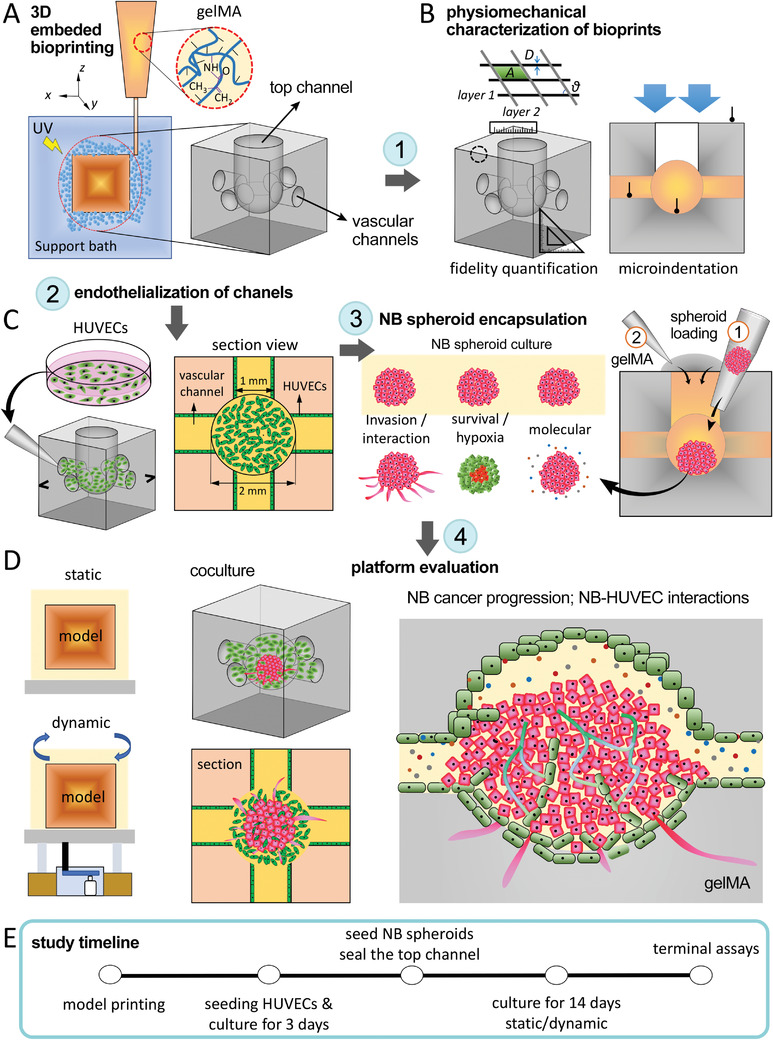
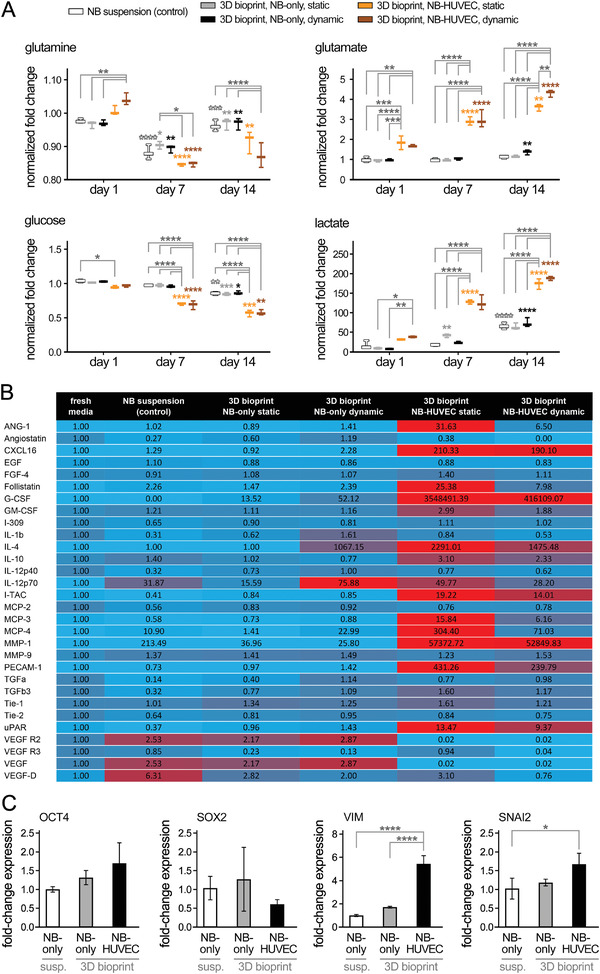
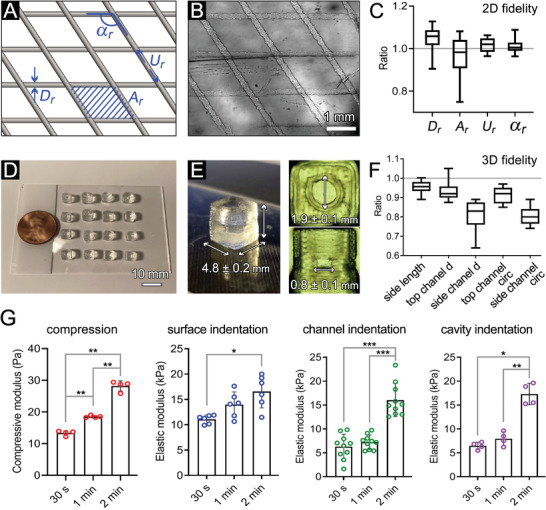
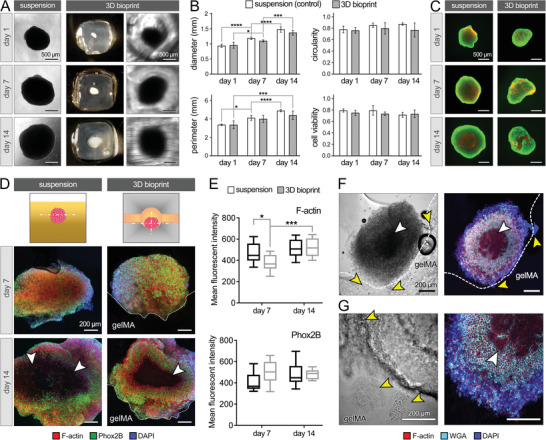
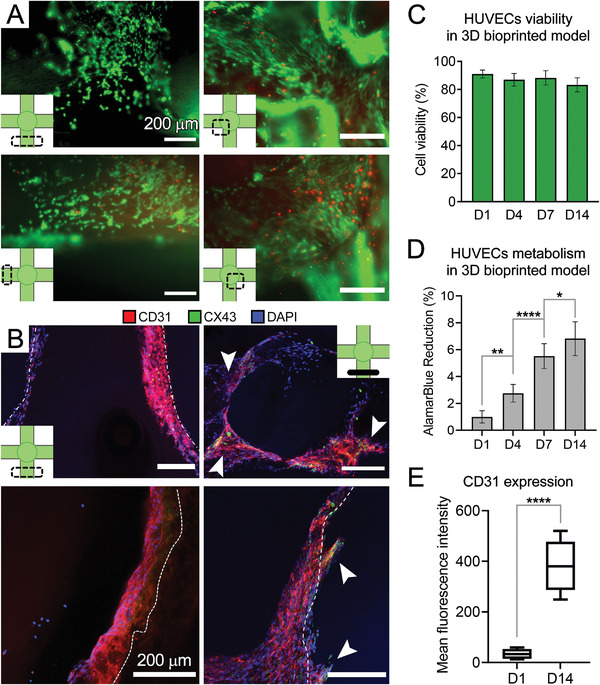
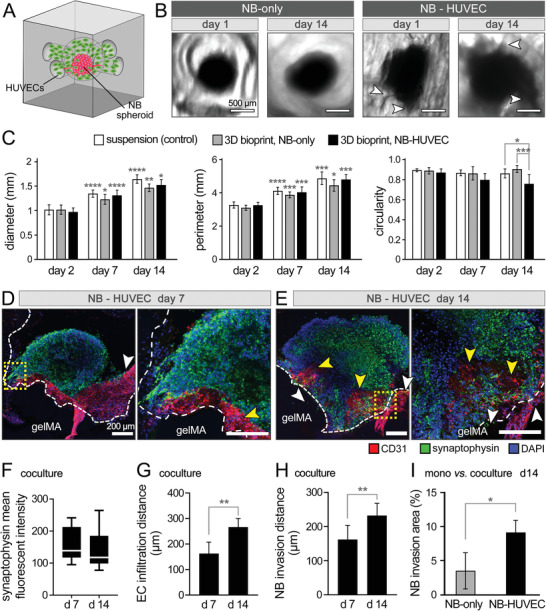
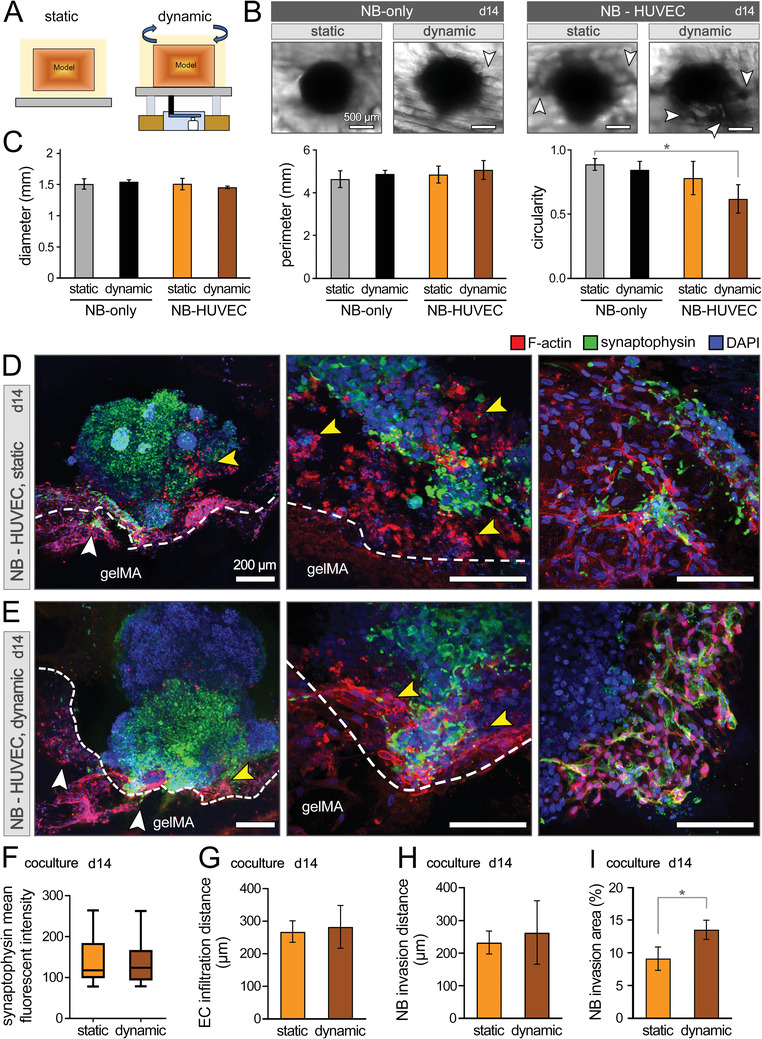
Neuroblastoma (NB) is the most common extracranial tumor in children resulting in substantial morbidity and mortality. A deeper understanding of the NB tumor microenvironment (TME) remains an area of active research but there is a lack of reliable and biomimetic experimental models. This study utilizes a 3D bioprinting approach, in combination with NB spheroids, to create an in vitro vascular model of NB for exploring the tumor function within an endothelialized microenvironment. A gelatin methacryloyl (gelMA) bioink is used to create multi-channel cubic tumor analogues with high printing fidelity and mechanical tunability. Human-derived NB spheroids and human umbilical vein endothelial cells (HUVECs) are incorporated into the biomanufactured gelMA and cocultured under static versus dynamic conditions, demonstrating high levels of survival and growth. Quantification of NB-EC integration and tumor cell migration suggested an increased aggressive behavior of NB when cultured in bioprinted endothelialized models, when cocultured with HUVECs, and also as a result of dynamic culture. This model also allowed for the assessment of metabolic, cytokine, and gene expression profiles of NB spheroids under varying TME conditions. These results establish a high throughput research enabling platform to study the TME-mediated cellular-molecular mechanisms of tumor growth, aggression, and response to therapy.
神经母细胞瘤(NB)是儿童中最常见的颅外肿瘤,导致发病率和死亡率较高。深入了解 NB 肿瘤微环境(TME)仍然是一个活跃的研究领域,但缺乏可靠和仿生的实验模型。本研究利用 3D 生物打印方法,结合 NB 球体,创建了一种体外 NB 血管模型,用于探索内皮化微环境中的肿瘤功能。使用明胶甲基丙烯酰(gelMA)生物墨水可创建具有高打印保真度和机械可调性的多通道立方肿瘤模拟物。将人源 NB 球体和人脐静脉内皮细胞(HUVEC)掺入生物制造的 gelMA 中,并在静态与动态条件下共培养,证明了高水平的存活和生长。NB-EC 整合和肿瘤细胞迁移的定量分析表明,当在生物打印的内皮化模型中与 HUVEC 共培养时,NB 的侵袭性行为增加,而且由于动态培养也会增加。该模型还允许评估不同 TME 条件下 NB 球体的代谢、细胞因子和基因表达谱。这些结果建立了一个高通量研究平台,用于研究 TME 介导的肿瘤生长、侵袭和对治疗反应的细胞分子机制。