School of Chemical, Materials and Biomedical Engineering, College of Engineering, University of Georgia, Athens, GA, USA.
Sci Rep. 2017 Oct 19;7(1):13623. doi: 10.1038/s41598-017-14012-9.
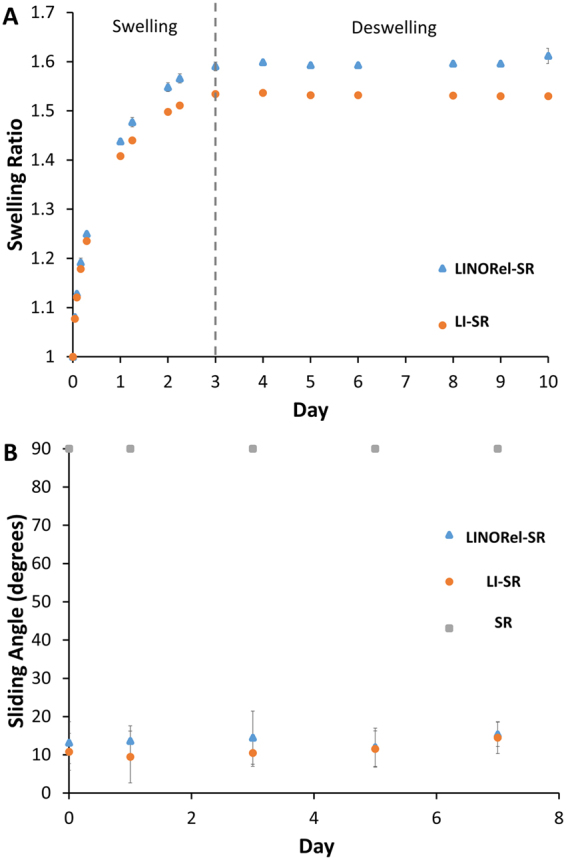
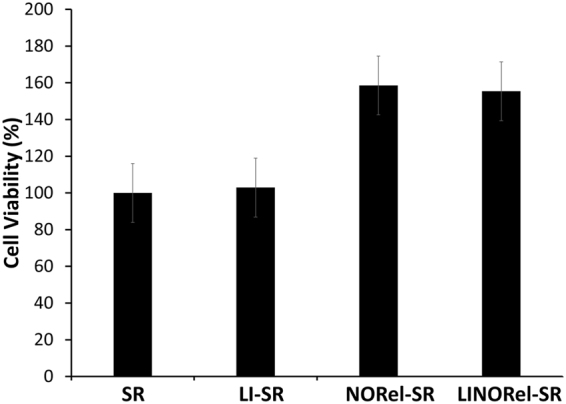
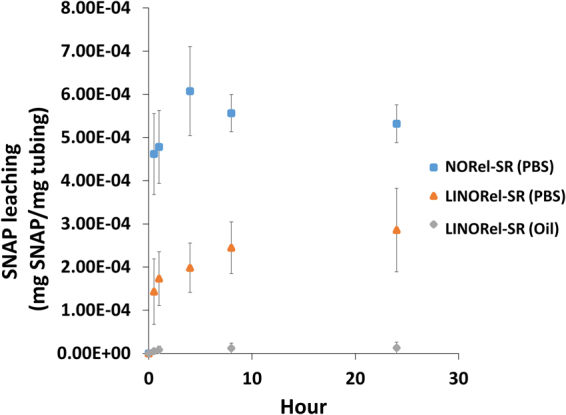
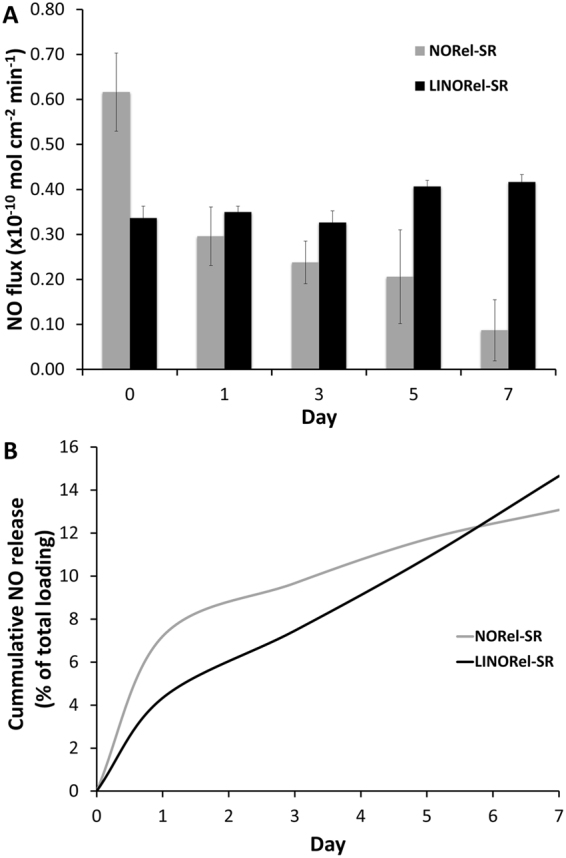
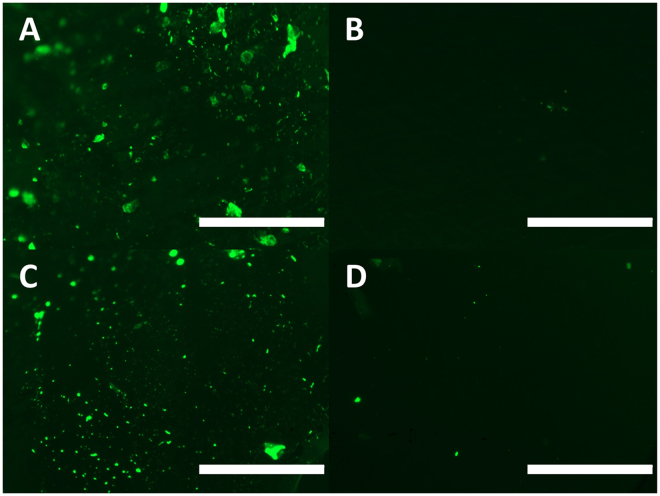
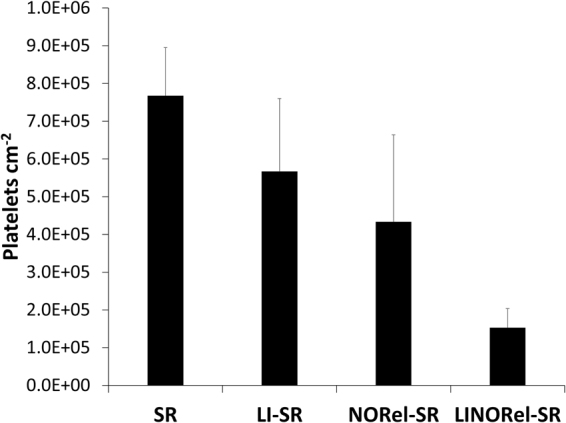
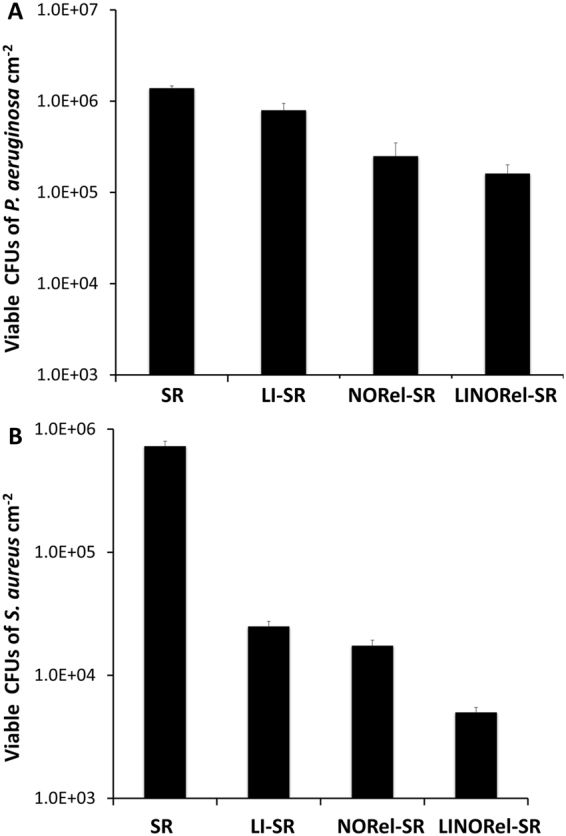
Recent reports on liquid-infused materials have shown promise in creating ultra-low fouling surfaces, but are limited in their ability to prevent bacterial proliferation and prevent platelet activation in blood-contacting applications. In this work, a liquid-infused nitric oxide-releasing (LINORel) material is created by incorporating the nitric oxide (NO) donor S-nitroso-acetylpenicillamine (SNAP) and silicone oil in commercial medical grade silicone rubber tubing through a solvent swelling process. This combination provides several key advantages over previous NO-releasing materials, including decreased leaching of NO donor, controlled release of NO, and maintenance of ultra-low fouling property of liquid-infused materials. The LINORel tubing reduces protein adhesion as observed using fluorescence imaging, and platelet adhesion (81.7 ± 2.5%) in vitro over a 2 h period. The LINORel combination greatly reduces bacterial adhesion and biofilm formation of two most common pathogens responsible for hospital acquired infections: gram-positive Staphylococcus aureus and gram-negative Pseudomonas aeruginosa (99.3 ± 1.9% and 88.5 ± 3.3% respectively) over a 7-day period in a CDC bioreactor environment. Overall, the LINORel approach provides a synergistic combination of active and passive non-fouling approaches to increase biocompatibility and reduce infection associated with medical devices.
最近关于液体注入材料的报告显示,它们在创造超低污染表面方面具有很大的潜力,但在防止细菌增殖和防止血液接触应用中的血小板激活方面的能力有限。在这项工作中,通过溶剂溶胀工艺,将一氧化氮(NO)供体 S-亚硝基乙酰青霉胺(SNAP)和硅油注入商业级医用硅橡胶管中,制备了一种液体注入一氧化氮释放(LINORel)材料。这种组合与以前的 NO 释放材料相比具有几个关键优势,包括减少 NO 供体的浸出、控制 NO 的释放以及保持液体注入材料的超低污染特性。LINORel 管减少了蛋白质粘附,如荧光成像观察到的那样,并且在体外 2 小时内血小板粘附(81.7±2.5%)。在 CDC 生物反应器环境中,该 LINORel 组合在 7 天内大大减少了两种最常见的医院获得性感染病原体(革兰氏阳性金黄色葡萄球菌和革兰氏阴性铜绿假单胞菌)的粘附和生物膜形成(分别为 99.3±1.9%和 88.5±3.3%)。总的来说,LINORel 方法提供了主动和被动非污染方法的协同组合,以提高生物相容性并减少与医疗器械相关的感染。