Gong Yi, Sasidharan Nikhil, Laheji Fiza, Frosch Matthew, Musolino Patricia, Tanzi Rudy, Kim Doo Yeon, Biffi Alessandra, El Khoury Joseph, Eichler Florian
Department of Neurology, Massachusetts General Hospital, Harvard Medical School, Boston, MA.
Boston Children's Hospital, Dana Farber Cancer Institute, Boston, MA.
Ann Neurol. 2017 Nov;82(5):813-827. doi: 10.1002/ana.25085. Epub 2017 Nov 11.
Mutations in ABCD1 cause the neurodegenerative disease, adrenoleukodystrophy, which manifests as the spinal cord axonopathy adrenomyeloneuropathy (AMN) in nearly all males surviving into adulthood. Microglial dysfunction has long been implicated in pathogenesis of brain disease, but its role in the spinal cord is unclear.
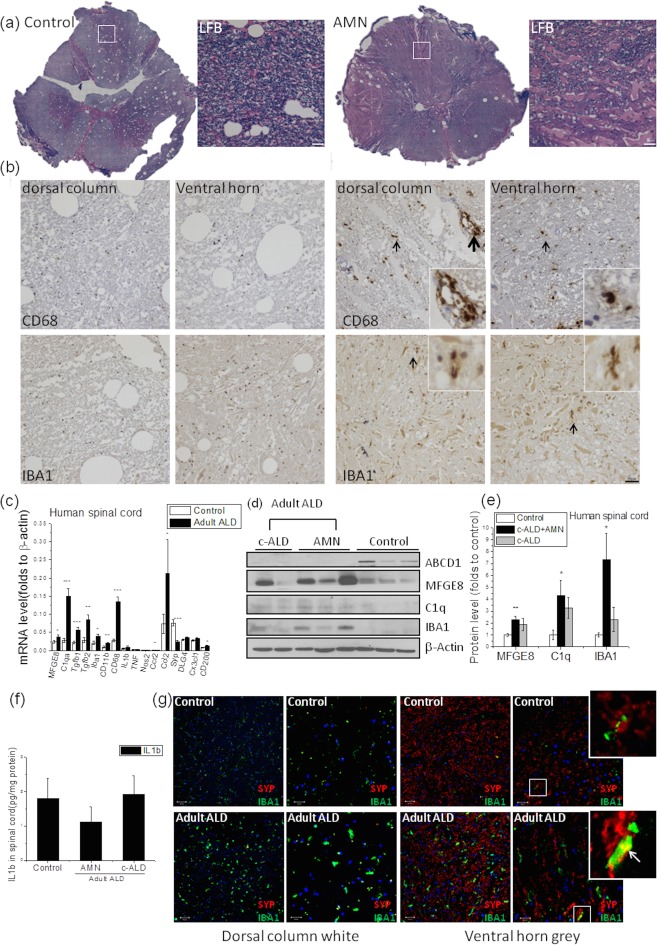
We assessed spinal cord microglia in humans and mice with AMN and investigated the role of ABCD1 in microglial activity toward neuronal phagocytosis in cell culture. Because mutations in ABCD1 lead to incorporation of very-long-chain fatty acids into phospholipids, we separately examined the effects of lysophosphatidylcholine (LPC) upon microglia.
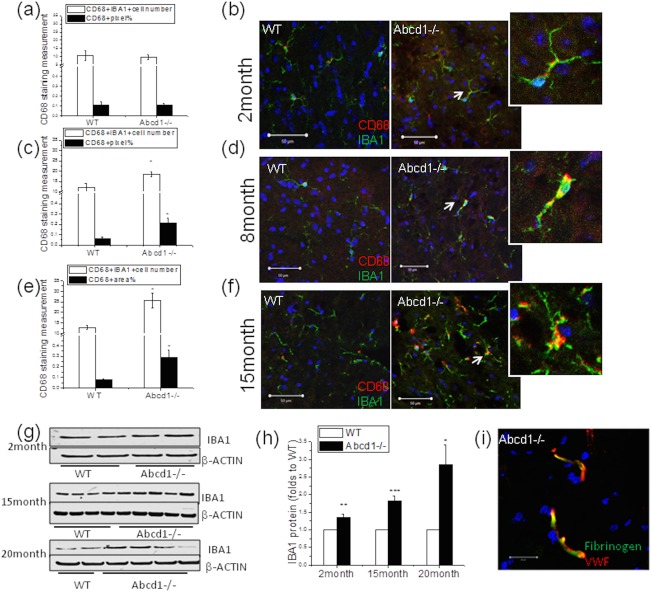
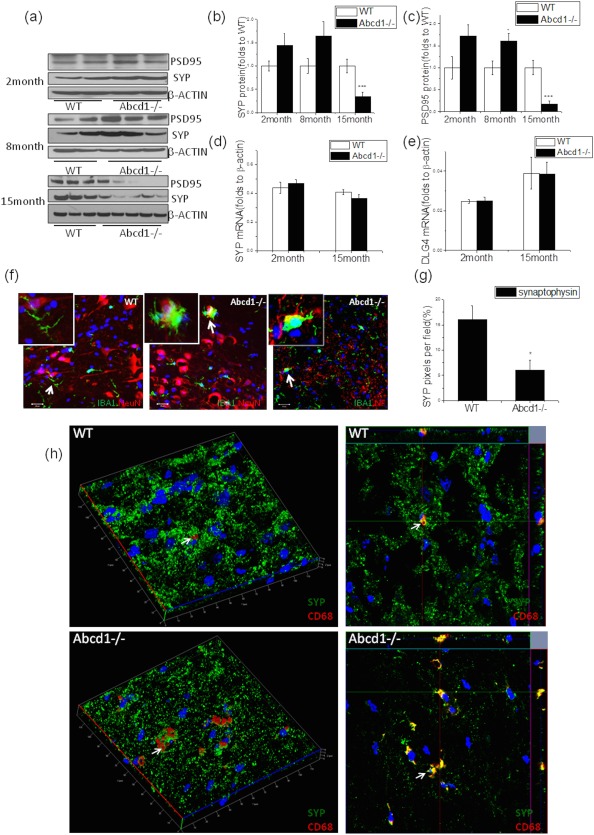
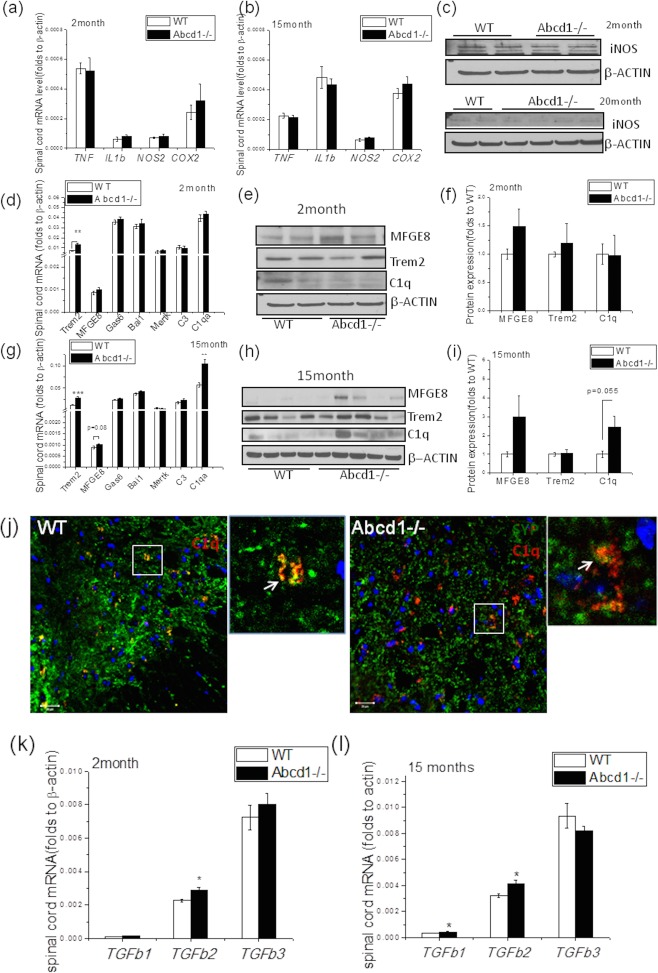
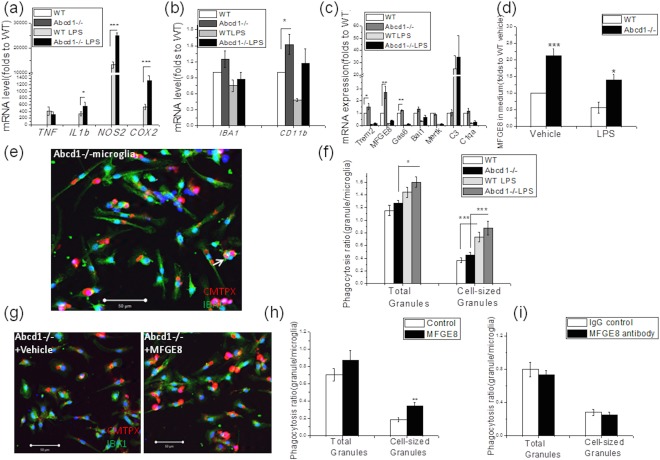
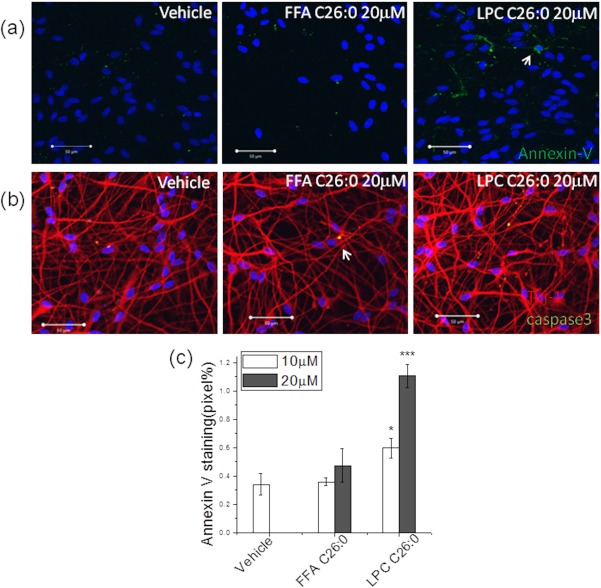
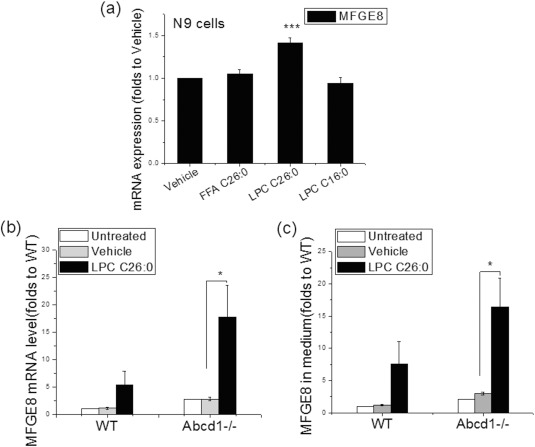
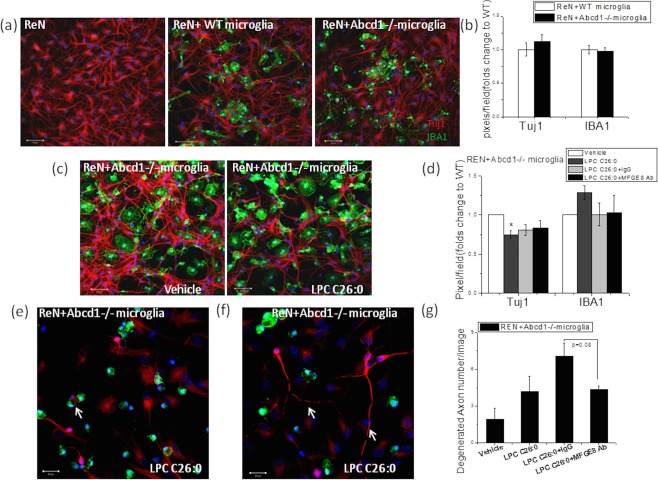
Within the spinal cord of humans and mice with AMN, upregulation of several phagocytosis-related markers, such as MFGE8 and TREM2, precedes complement activation and synapse loss. Unexpectedly, this occurs in the absence of overt inflammation. LPC C26:0 added to ABCD1-deficient microglia in culture further enhances MFGE8 expression, aggravates phagocytosis, and leads to neuronal injury. Furthermore, exposure to a MFGE8-blocking antibody reduces phagocytic activity.
Spinal cord microglia lacking ABCD1 are primed for phagocytosis, affecting neurons within an altered metabolic milieu. Blocking phagocytosis or specific phagocytic receptors may alleviate synapse loss and axonal degeneration. Ann Neurol 2017;82:813-827.
ABCD1基因突变会导致神经退行性疾病——肾上腺脑白质营养不良,几乎所有存活至成年期的男性患者都会出现脊髓轴索性肾上腺脊髓神经病(AMN)。长期以来,小胶质细胞功能障碍一直被认为与脑部疾病的发病机制有关,但其在脊髓中的作用尚不清楚。
我们评估了患有AMN的人类和小鼠的脊髓小胶质细胞,并在细胞培养中研究了ABCD1在小胶质细胞对神经元吞噬作用中的活性。由于ABCD1基因突变会导致超长链脂肪酸掺入磷脂中,我们分别研究了溶血磷脂酰胆碱(LPC)对小胶质细胞的影响。
在患有AMN的人类和小鼠脊髓中,几种吞噬相关标志物(如MFGE8和TREM2)的上调先于补体激活和突触丧失。出乎意料的是,这一过程在没有明显炎症的情况下发生。在培养中添加到缺乏ABCD1的小胶质细胞中的LPC C26:0进一步增强了MFGE8的表达,加重了吞噬作用,并导致神经元损伤。此外,暴露于MFGE8阻断抗体可降低吞噬活性。
缺乏ABCD1的脊髓小胶质细胞易于发生吞噬作用,在代谢环境改变的情况下影响神经元。阻断吞噬作用或特定的吞噬受体可能会减轻突触丧失和轴突变性。《神经病学纪事》2017年;82:813 - 827。