Yin Juan, Xin Xiangdong, Weng Yujie, Gui Zhongzheng
School of Biotechnology, Jiangsu University of Science and Technology, Zhenjiang, Jiangsu, China.
Sericultural Research Institute, Chinese Academy of Agricultural Science, Zhenjiang, Jiangsu, China.
PLoS One. 2017 Oct 26;12(10):e0186279. doi: 10.1371/journal.pone.0186279. eCollection 2017.
The entomopathogenic mushroom Cordyceps militaris is an important medicinal and food resource owing to its various medicinal components and pharmacological effects. However, the high frequency of strain degeneration during subculture seriously restricts the large-scale production of C. militaris, and the mechanism underlying strain degeneration remains unclear. In this study, we artificially cultured C. militaris for six generations and compared changes during fruiting body growth. The transcriptome of six generations of C. militaris strains were sequenced with the Illumine Hiseq4000.
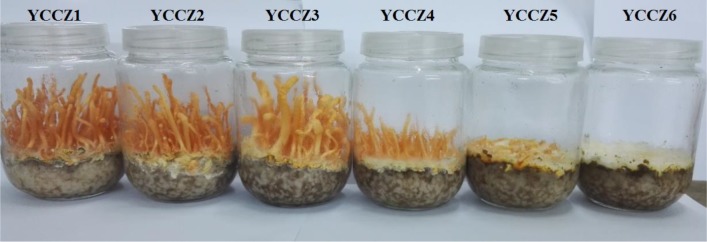
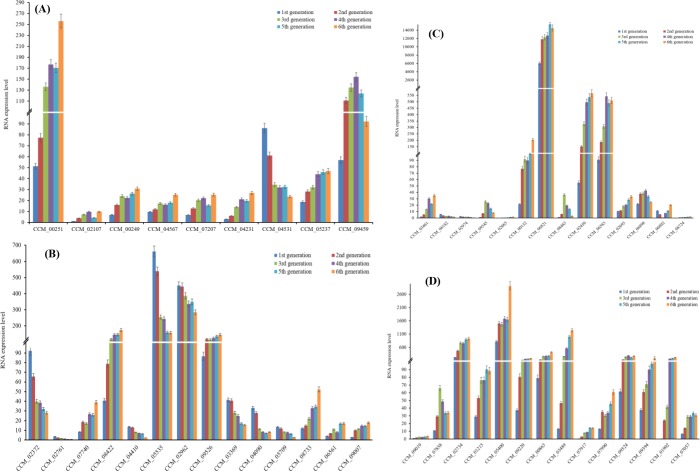
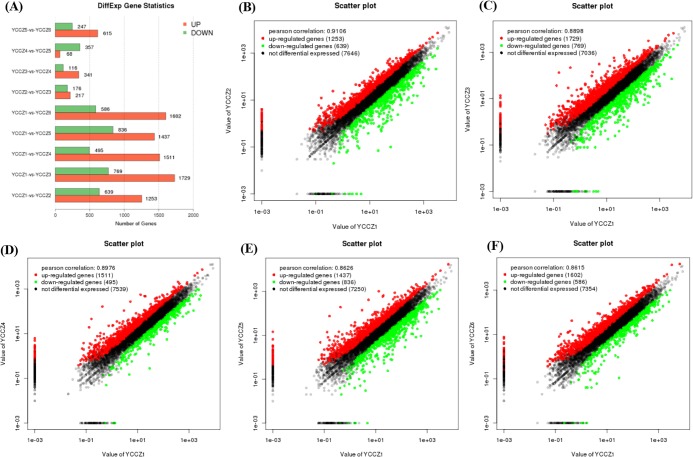
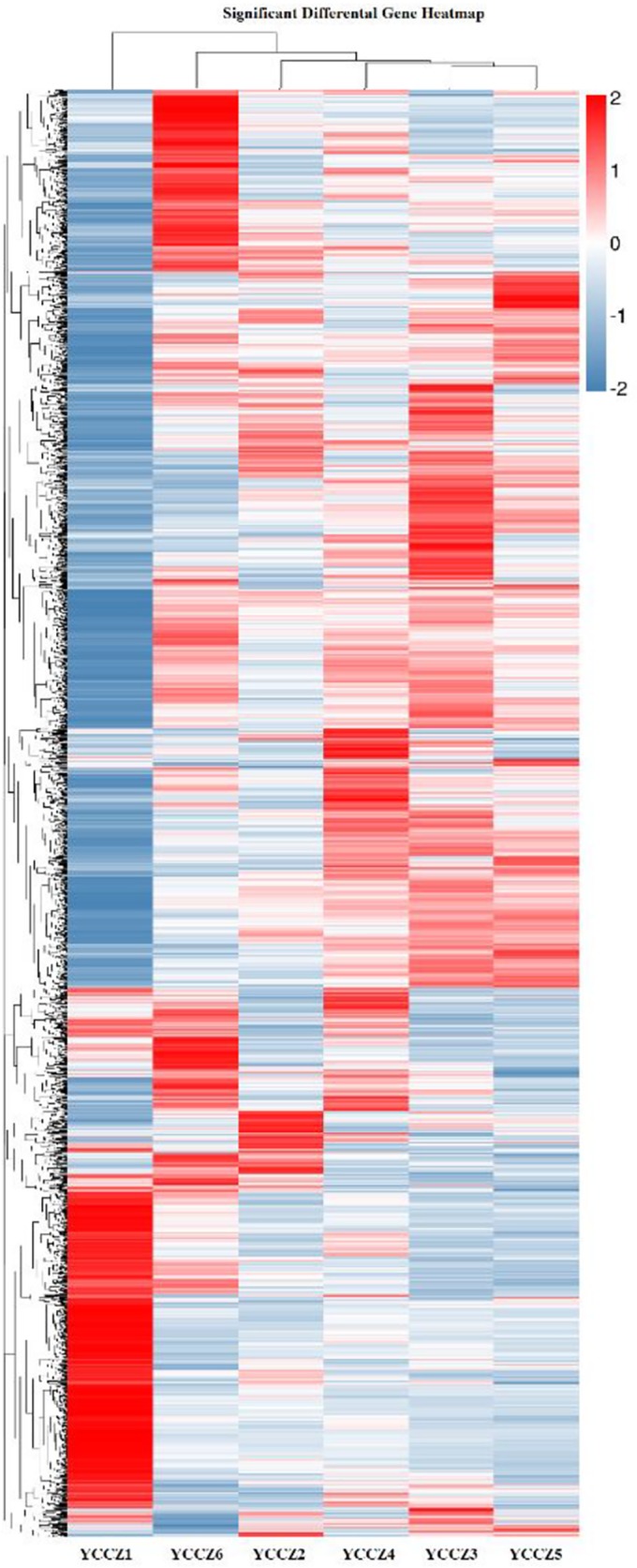
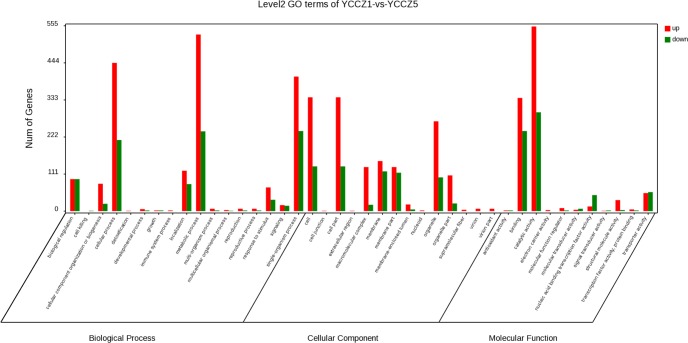
The subcultured C. militaris strains degenerated beginning at the third generation, with incomplete fruiting body growth beginning at the fourth generation. Over 9,015 unigenes and 731 new genes were identified. In addition, 35,323 alternative splicing (AS) events were detected in all samples, and more AS events occurred in the second, fourth and sixth generations. Compared with the first generation, the third generation (degenerated strain) included 2,498 differentially expressed genes (DEGs) including 1,729 up-regulated and 769 down-regulated genes. This number was higher than the number of DEGs in the second (1,892 DEGs), fourth (2,006 DEGs), fifth (2,273 DEGs) and sixth (2,188 DEGs) generations. Validation of RNA-seq by qRT-PCR showed that the expression patterns of 51 DEGs were in accordance with the transcriptome data.
Our results suggest that the mechanism of C. militaris strain degeneration is associated with gene involved in toxin biosynthesis, energy metabolism, and DNA methylation and chromosome remodeling.
虫生真菌蛹虫草因其多种药用成分和药理作用,是一种重要的药用和食用资源。然而,继代培养过程中菌株退化频率高,严重制约了蛹虫草的大规模生产,且菌株退化的机制尚不清楚。在本研究中,我们对蛹虫草进行了六代人工培养,并比较了子实体生长过程中的变化。使用Illumine Hiseq4000对六代蛹虫草菌株的转录组进行了测序。
继代培养的蛹虫草菌株从第三代开始退化,第四代开始子实体生长不完全。鉴定出超过9015个单基因和731个新基因。此外,在所有样本中检测到35323个可变剪接(AS)事件,且在第二代、第四代和第六代中发生的AS事件更多。与第一代相比,第三代(退化菌株)包含2498个差异表达基因(DEG),其中1729个上调,769个下调。这个数字高于第二代(1892个DEG)、第四代(2006个DEG)、第五代(2273个DEG)和第六代(2188个DEG)中的DEG数量。通过qRT-PCR对RNA测序进行验证,结果表明51个DEG的表达模式与转录组数据一致。
我们的结果表明,蛹虫草菌株退化的机制与参与毒素生物合成、能量代谢以及DNA甲基化和染色体重塑的基因有关。