Han Xinxin, Yu Liming, Ren Jie, Wang Min, Liu Zhongliang, Hu Xinyu, Hu Daiyu, Chen Yihong, Chen Li, Zhang Ying, Liu Yuehua, Zhang Xiaoqing, He Hua, Gao Zhengliang
Shanghai Stomatological Hospital, Fudan University, Shanghai 200001, China.
Shanghai Tenth People's Hospital, Tongji University School of Medicine, Shanghai 200092, China.
Stem Cells Int. 2017;2017:9405204. doi: 10.1155/2017/9405204. Epub 2017 Sep 18.
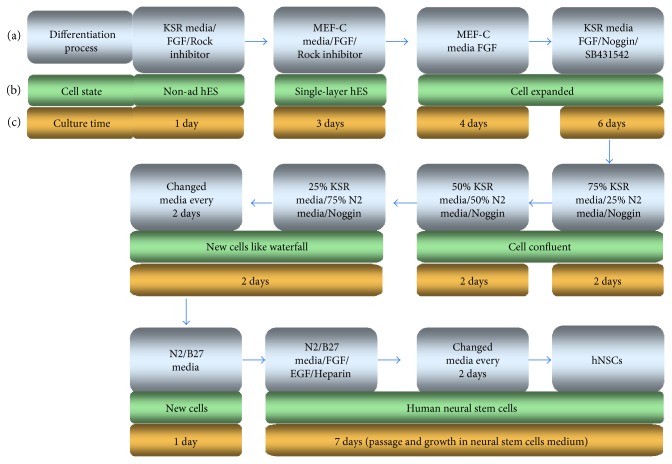
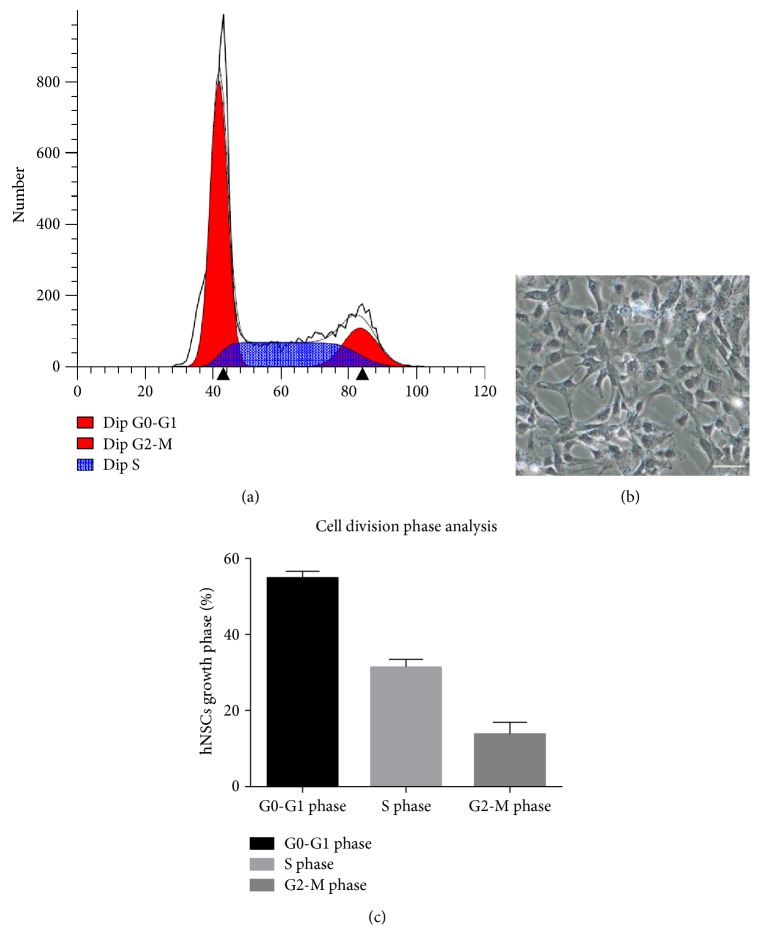
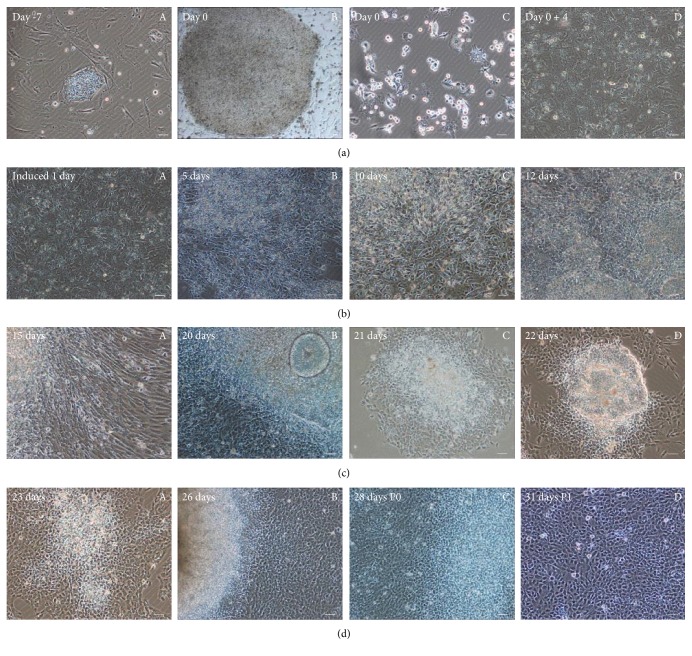
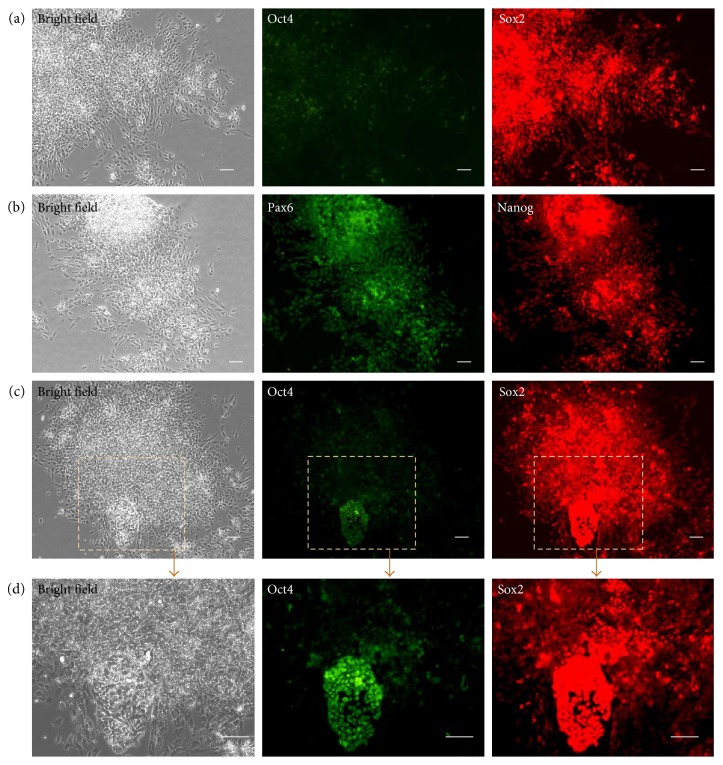
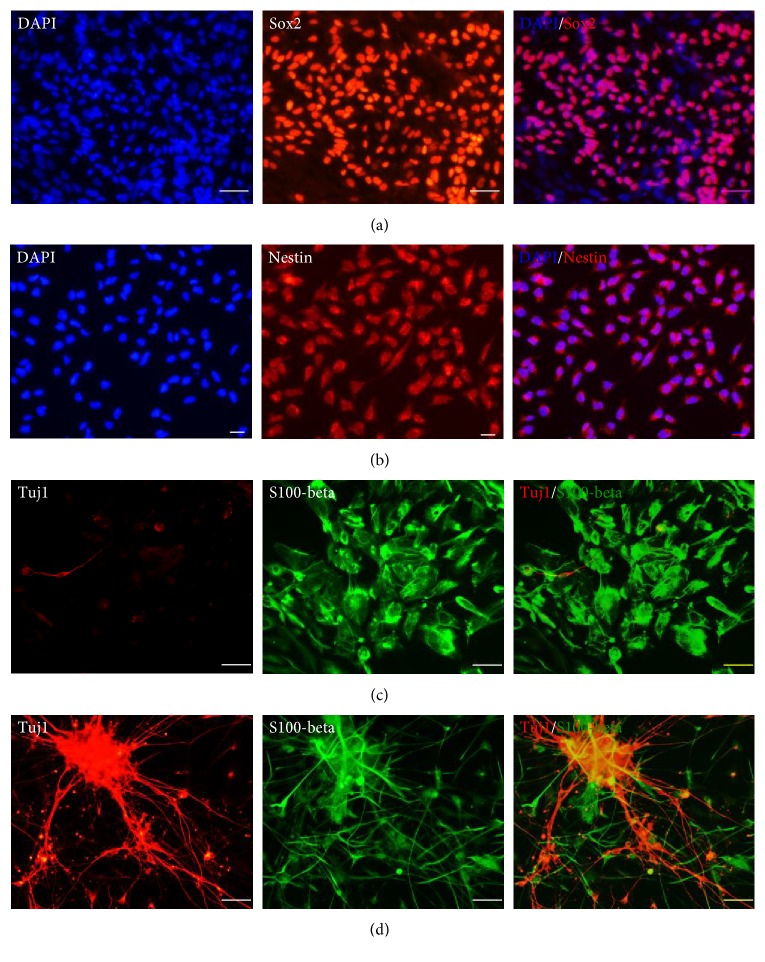
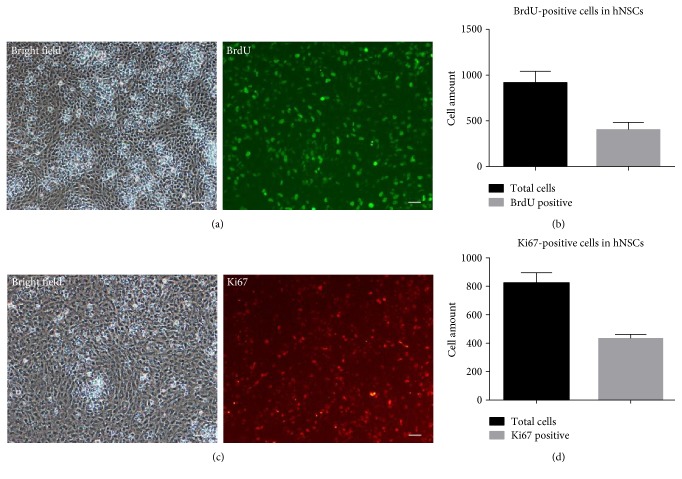
Stem cell-based therapies have been used for repairing damaged brain tissue and helping functional recovery after brain injury. Aberrance neurogenesis is related with brain injury, and multipotential neural stem cells from human embryonic stem (hES) cells provide a great promise for cell replacement therapies. Optimized protocols for neural differentiation are necessary to produce functional human neural stem cells (hNSCs) for cell therapy. However, the qualified procedure is scarce and detailed features of hNSCs originated from hES cells are still unclear. In this study, we developed a method to obtain hNSCs from hES cells, by which we could harvest abundant hNSCs in a relatively short time. Then, we examined the expression of pluripotent and multipotent marker genes through immunostaining and confirmed differentiation potential of the differentiated hNSCs. Furthermore, we analyzed the mitotic activity of these hNSCs. In this report, we provided comprehensive features of hNSCs and delivered the knowledge about how to obtain more high-quality hNSCs from hES cells which may help to accelerate the NSC-based therapies in brain injury treatment.
基于干细胞的疗法已被用于修复受损的脑组织,并帮助脑损伤后的功能恢复。异常神经发生与脑损伤有关,来自人类胚胎干细胞(hES)的多能神经干细胞为细胞替代疗法带来了巨大希望。为细胞治疗生产功能性人类神经干细胞(hNSC)需要优化神经分化方案。然而,合格的程序很少,源自hES细胞的hNSC的详细特征仍不清楚。在本研究中,我们开发了一种从hES细胞中获得hNSC的方法,通过该方法我们可以在相对较短的时间内收获大量的hNSC。然后,我们通过免疫染色检测多能和多能标记基因的表达,并确认分化后的hNSC的分化潜能。此外,我们分析了这些hNSC的有丝分裂活性。在本报告中,我们提供了hNSC的综合特征,并提供了有关如何从hES细胞中获得更多高质量hNSC的知识,这可能有助于加速基于NSC的脑损伤治疗疗法。